 blog
blog
Drain Snake vs Hydro Jetting: Which Works Best
Table of Contents
- What Is a Plumbing Snake and How Does It Work?
- What Is Hydro Jetting and When Do Plumbers Use It?
- Key Differences Between Drain Snake and Hydro Jetting
- Pros and Cons of Drain Snaking for Blockages
- Pros and Cons of Hydro Jetting for Drain Cleaning
- Signs of a Main Sewer Line Blockage and Which Method Works
- Cost of Professional Drain Unblocking: Snaking vs Hydro Jetting
- CCTV Drain Survey Benefits: Why Inspection Matters Before Treatment
- Frequently Asked Questions
Last Updated: September 27, 2026
What Is a Plumbing Snake and How Does It Work?
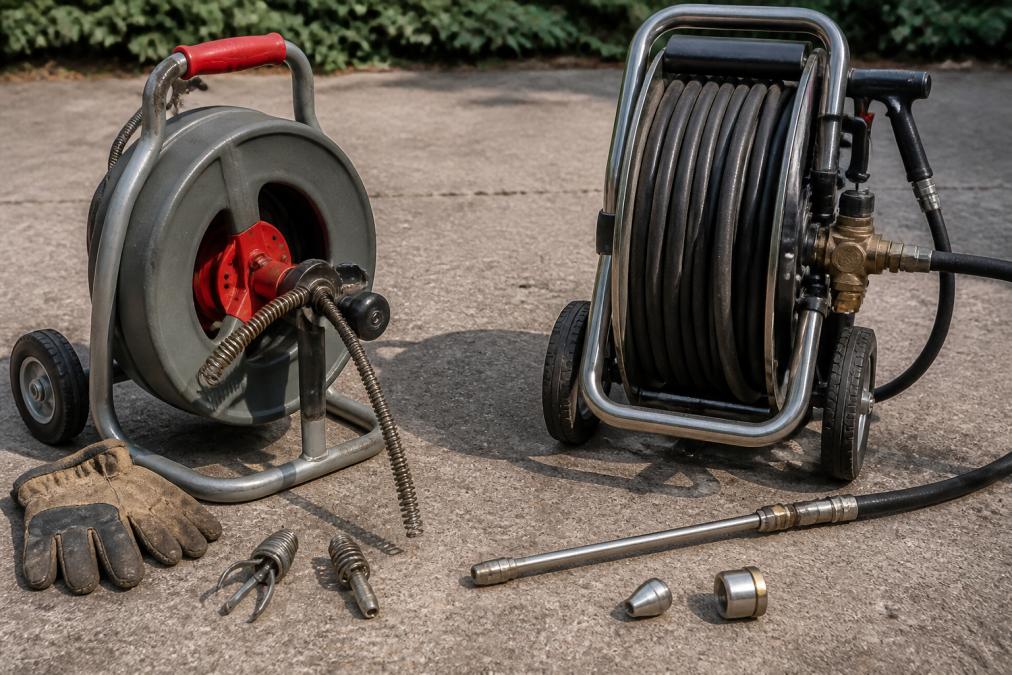
A plumbing snake is a mechanical tool designed to break up and remove blockages from drainage pipes, and understanding drain snake vs hydro jetting helps you choose the right solution. It consists of a long, flexible metal cable with a cutting head or hook at the end, connected to a motorised drum that rotates and pushes the cable through the pipe. As the auger rotates, it either cuts through the obstruction or snags debris, pulling it back out of the drain.
The mechanical action works by physical force. The rotating cable moves forward into the blocked section, engaging with whatever is causing the problem, hair clogs, soap scum, grease buildup, or mineral deposits. When the snake encounters resistance, continued rotation either breaks the blockage apart or allows you to extract it. This approach is minimally invasive and doesn't require opening walls or excavating pipes.
Professional plumbers typically use motorised snakes for larger diameter pipes, while handheld versions suit smaller household drains. The process is straightforward: feed the cable into the drain, engage the motor, and let the rotation do the work. Most blockages clear within 30 minutes to an hour, depending on the severity and location of the clog.
What Is Hydro Jetting and When Do Plumbers Use It?
Hydro jetting is a high-pressure water cleaning method that uses pressurised water, typically between 3,000 and 4,000 psi, to blast away blockages and debris from inside drainage pipes. A specialised nozzle directs the water jet through the pipe, scouring the pipe wall and breaking up stubborn obstructions like tree roots, mineral deposits, and accumulated sludge.
Unlike the mechanical approach of a drain snake, hydro jetting relies on hydraulic force. The intense pressure removes not just the blockage itself but also buildup on the pipe walls. This means the drain is cleaner after treatment, not just temporarily cleared. Plumbers often use hydro jetting for main sewer lines, commercial kitchen drains, and situations where multiple clogs have developed or preventative maintenance is needed.
The process requires specialist equipment and expertise. A plumber first assesses the pipe condition, often using a camera inspection to check for cracks or fragile sections, before applying the jet. This is critical because high-pressure water can damage older, deteriorated pipes. When used correctly on sound pipes, it delivers a thorough clean that lasts longer than mechanical methods alone.
Hydro jetting works particularly well for grease buildup in commercial settings, mineral deposits in hard-water areas, and root intrusion in sewer lines. The hydro-scrubbing action removes the accumulation rather than just punching a hole through it.
Key Differences Between Drain Snake and Hydro Jetting
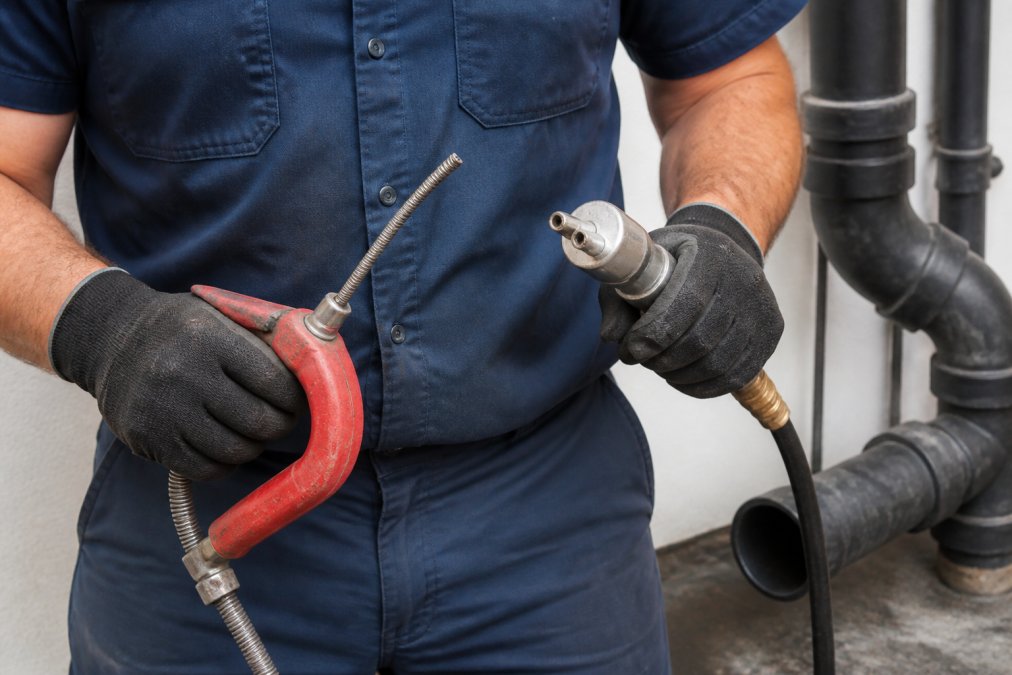
When comparing drain snake vs hydro jetting, the fundamental difference lies in how each method clears blockages. A drain snake uses mechanical rotation to cut or hook debris, creating a path for water to flow. Hydro jetting uses high-pressure water to blast away the entire obstruction and clean the pipe wall simultaneously.
Method and force application:
- Drain snake: Mechanical cutting or snagging action; rotational force
- Hydro jetting: Hydraulic force; water pressure between 3,000-4,000 psi
Scope of cleaning:
- Drain snake: Clears the blockage itself; debris remains on pipe walls
- Hydro jetting: Removes blockage and cleans the entire pipe interior
Pipe compatibility:
- Drain snake: Safe for most pipe materials and ages; works on fragile pipes
- Hydro jetting: Requires sound pipe integrity; can damage older, corroded, or clay pipes
Cost and time:
- Drain snake: Generally faster and less expensive; suitable for single clogs
- Hydro jetting: More expensive; longer process but addresses underlying accumulation
Long-term effectiveness:
- Drain snake: Solves immediate problem; clogs may recur if underlying cause persists
- Hydro jetting: Provides longer-lasting results by removing buildup; reduces future blockages
| Aspect | Drain Snake | Hydro Jetting |
|---|---|---|
| Primary force | Mechanical rotation | High-pressure water |
| Best for | Single clogs, hair, soap scum | Grease, mineral deposits, tree roots |
| Pipe safety | Safe on all pipe types | Requires sound pipe condition |
| Cleaning depth | Surface blockage removal | Complete pipe wall cleaning |
| Cost range | Lower | Higher |
| Time to complete | 30 mins-1 hour | 1-2 hours |
Pros and Cons of Drain Snaking for Blockages
Pros of drain snaking:
Drain snaking is cost-effective and widely available. Most plumbers carry snakes, and the procedure is straightforward, making it a practical first response to blockages. It works well for common household clogs like hair and soap accumulation. The mechanical approach is safe on all pipe materials, including older clay pipes and fragile plastic drainage pipes that might be damaged by high pressure.
Setup is quick. A plumber can diagnose and clear many blockages in under an hour. For renters or those in temporary situations, snaking avoids the need for extensive repairs or pipe replacement. It's also environmentally sound, no chemicals, just mechanical action and water.
Cons of drain snaking:
The main limitation is that snaking clears only the immediate blockage. If the underlying cause, tree roots, grease accumulation, or mineral deposits, remains, the clog returns within weeks or months. The snake also doesn't clean the pipe wall, so buildup persists and future clogs develop faster.
For stubborn obstructions, the snake may not grip effectively, leaving the blockage partially cleared. In commercial kitchens or main sewer lines with significant grease or root intrusion, snaking is often a temporary fix rather than a solution. Aggressive snaking can also damage the pipe wall if too much force is applied, particularly on older systems.
Pros and Cons of Hydro Jetting for Drain Cleaning
Pros of hydro jetting:
Hydro jetting delivers thorough cleaning that snaking cannot match. The high-pressure water removes not just the blockage but accumulated sludge, grease, mineral deposits, and even small tree roots from the pipe wall. This comprehensive approach means drains stay clear longer, reducing future blockage frequency.
For commercial properties, restaurants, laundries, food processing facilities, hydro jetting is often the only effective solution. Grease buildup in commercial kitchens is stubborn and recurs rapidly with snaking alone. Hydro jetting removes it completely, improving drainage capacity and reducing odours.
The method is environmentally friendly and uses only water, no chemicals. It's also safe for the local water system when performed by professionals who manage the water discharge properly. Long-term, hydro jetting reduces the need for repeated emergency calls, making it cost-effective despite higher upfront expense.
Cons of hydro jetting:
The primary drawback is cost. Hydro jetting equipment is expensive, and the procedure takes longer than snaking, increasing labour time. Not all pipes are suitable candidates.
Signs of a Main Sewer Line Blockage and Which Method Works
A main sewer line blockage is more serious than a single drain clog. Multiple drains back up simultaneously, toilets, showers, sinks, and washing machines all drain slowly or not at all. You may notice sewage odours around the property, soggy patches in the garden, or gurgling sounds from drains when other fixtures are used.
Which method works best:
Cost of Professional Drain Unblocking: Snaking vs Hydro Jetting
Drain snaking is generally the more affordable option for straightforward blockages. A professional call-out with snaking typically costs less than hydro jetting because the equipment is simpler, the process is quicker, and less specialist training is required. For single-drain clogs, snaking represents excellent value.
CCTV Drain Survey Benefits: Why Inspection Matters Before Treatment
A CCTV drain survey uses a small camera on a flexible cable to inspect the interior of your pipes. The camera transmits live footage to a monitor, allowing the plumber to see exactly what's causing the blockage and assess the overall condition of the drainage system.
Frequently Asked Questions
Is hydro jetting better than snaking for stubborn blockages?
Hydro jetting is often more effective for stubborn clogs caused by grease buildup, mineral deposits, and sludge accumulation, as high-pressure water scours the entire pipe wall. Snaking works well for hair clogs and single obstructions but may not fully clean the pipe. The best choice depends on the blockage type and your pipe material. A CCTV camera inspection before treatment helps determine which method is safer and more effective for your specific drainage system.
Can hydro jetting damage older pipework?
Yes, hydro jetting can damage fragile or corroded pipes, particularly older clay, cast iron, or PVC pipework with existing weaknesses. High-pressure water may crack weakened pipe walls or dislodge joints. This is why a professional CCTV drain survey is essential before hydro jetting, it reveals pipe condition and integrity so your plumber can choose a safe method. Drain snaking is often the safer option for pipes with known damage or age-related deterioration.
What are signs of a main sewer line blockage that need professional attention?
Main sewer line blockages typically cause multiple drains in your home to back up simultaneously, slow drainage throughout the property, foul smells from drains, or sewage pooling in your garden. Common causes include tree roots penetrating the sewer line, mineral deposits, grease buildup, or pipe collapse. These blockages require professional assessment and usually benefit from hydro jetting or mechanical cleaning rather than a standard plunger. A CCTV sewer scope inspection identifies the exact location and cause, ensuring the right treatment is used.
How much does professional drain unblocking cost, and does it vary by method?
The cost of professional drain unblocking depends on blockage severity, pipe location, accessibility, and whether snaking or hydro jetting is needed. Drain snaking is typically less expensive upfront, while hydro jetting costs more but may prevent future blockages by fully cleaning pipes. Additional costs apply if CCTV inspection is required first or if pipe damage is discovered. For current pricing and a transparent quote with no hidden fees, contact Pro Drain Experts directly, they provide upfront estimates based on your specific situation.