 how-to
Identify Recurring Drain Blockages: 7 Key Signs
Table of Contents
- What Are Recurring Drain Blockages and Why They Matter
- Why Do My Drains Keep Blocking: Common Causes
- Signs of a Blocked Outside Drain You Shouldn't Ignore
- How to Spot Blockages Inside Your Home
- Using a CCTV Drain Survey to Identify the Root Cause
- How to Prevent Drain Blockages from Returning
- When to Call a Professional Drainage Expert
- Frequently Asked Questions
Last Updated: October 8, 2026
What Are Recurring Drain Blockages and Why They Matter
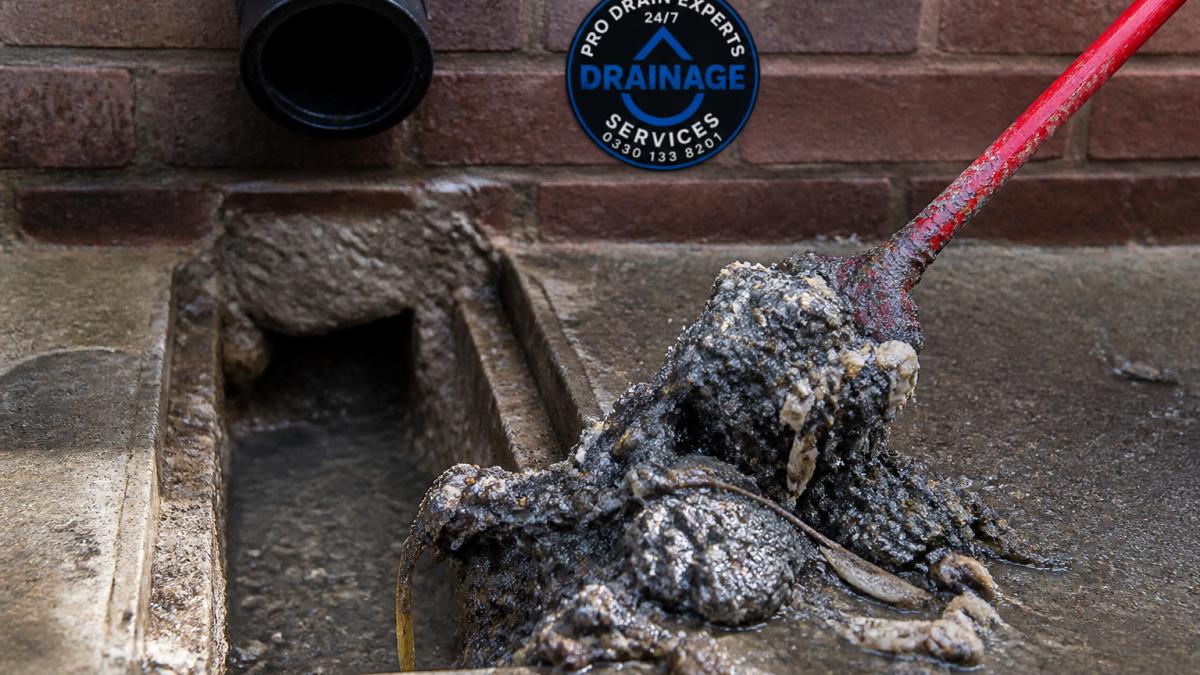
Recurring drain blockages are a frustrating problem that keeps returning despite previous repairs. At Pro Drain Experts, we define recurring drain blockages as drainage issues that happen repeatedly in the same location, often within weeks or months of being cleared. These aren't one-off blockages, they're patterns that signal an underlying problem your pipes need addressed.
Why does this matter? A blockage that comes back isn't just inconvenient. It suggests the root cause wasn't fixed the first time. Maybe tree roots are growing back. Maybe grease keeps accumulating. Maybe the pipe itself is damaged. Understanding the difference between a temporary fix and a real solution is critical for homeowners across Ringmer and the surrounding areas.
The cost of ignoring recurring blockages goes beyond frustration. Each time your drains back up, you risk water damage, foul odours, and potential health hazards. In commercial properties like restaurants, repeated blockages mean lost revenue and unhappy customers. Residential properties face the same stress, nobody wants to deal with a backed-up toilet twice in three months.
This guide walks you through how to spot the warning signs, identify what's causing the problem, and know when professional help is necessary.
Why Do My Drains Keep Blocking: Common Causes
Understanding what causes recurring blockages helps you prevent them. The same issue rarely fixes itself. Instead, it builds up again and again until you address the root problem.
Hair and soap buildup
Hair is one of the most common culprits in bathroom drains. Combined with soap residue, it forms a sticky mass that traps more debris over time. Each shower adds more hair. Each wash adds more soap film. The blockage grows thicker and tighter.
This type of blockage typically returns because the hair keeps coming. You clear it out, but within weeks, the same pattern repeats. The solution isn't just clearing the clog, it's preventing hair from entering the drain in the first place.
Soap buildup is particularly stubborn in older pipes or those with mineral deposits. Hard water makes it worse. The soap combines with minerals to create a hard, sticky coating inside your pipes.
Tree roots and ground movement
Tree roots are attracted to moisture in your drains. They don't break through pipes immediately, they gradually push into cracks and weak spots, growing thicker over months and years. Once roots establish themselves, they keep expanding.
This is why a blockage caused by tree roots returns so reliably. Clearing the roots doesn't stop them from growing back. Ground movement from frost, settling, or heavy rainfall can also shift pipes out of alignment, creating low spots where debris collects.
Roots are particularly common in older properties with clay pipes or cracked concrete drainage systems. Ringmer properties with mature trees nearby face higher risk.
Grease and food waste
Kitchen drains accumulate grease from cooking. Unlike hair, grease hardens as it cools. It sticks to the inside of pipes and traps food particles, creating layers of buildup.
Pouring hot grease down the sink seems fine at first, it flows easily when hot. But as it cools in the pipes, it solidifies. Each time you cook, more grease adds to the blockage. It returns because the grease keeps coming from your kitchen.
Commercial kitchens face this problem intensely. A busy restaurant produces enough grease in one week to clog pipes that would take a residential kitchen months to block.
Signs of a Blocked Outside Drain You Shouldn't Ignore
Outside drains are easy to overlook until problems become serious. By then, damage may already be spreading beneath your property.
Pooling water and damp patches
Water pooling in your garden or driveway near your drain is a clear warning. So are damp patches that don't dry even in dry weather. These indicate water isn't flowing away properly through your underground drainage system.
Damp patches often appear over the drain line itself, following the path of your pipes underground. In wet seasons, they become obvious. In dry seasons, they may disappear temporarily, making you think the problem is solved. It isn't.
Pooling water attracts pests and creates breeding grounds for insects. It also weakens the ground around your property, which can lead to subsidence over time.
Unpleasant odours and pest activity
Foul smells coming from your garden indicate stagnant water trapped in your drainage system. The smell gets worse as bacteria break down organic matter in the blocked pipes.
Where there's standing water and decay, pests follow. Rodents are attracted to the moisture and any food particles in the blockage. Flies and insects breed in stagnant water. Once pests establish a route into your property, they're hard to remove.
A persistent smell that returns after you've had your drains cleared suggests the blockage is recurring deeper in your system, beyond what a simple jetting cleared.
How to Spot Blockages Inside Your Home
Indoor blockages are usually more obvious than outdoor ones, but they still vary in severity. Learning to spot the early warning signs helps you act before a minor issue becomes a major emergency.
Slow drainage and gurgling sounds
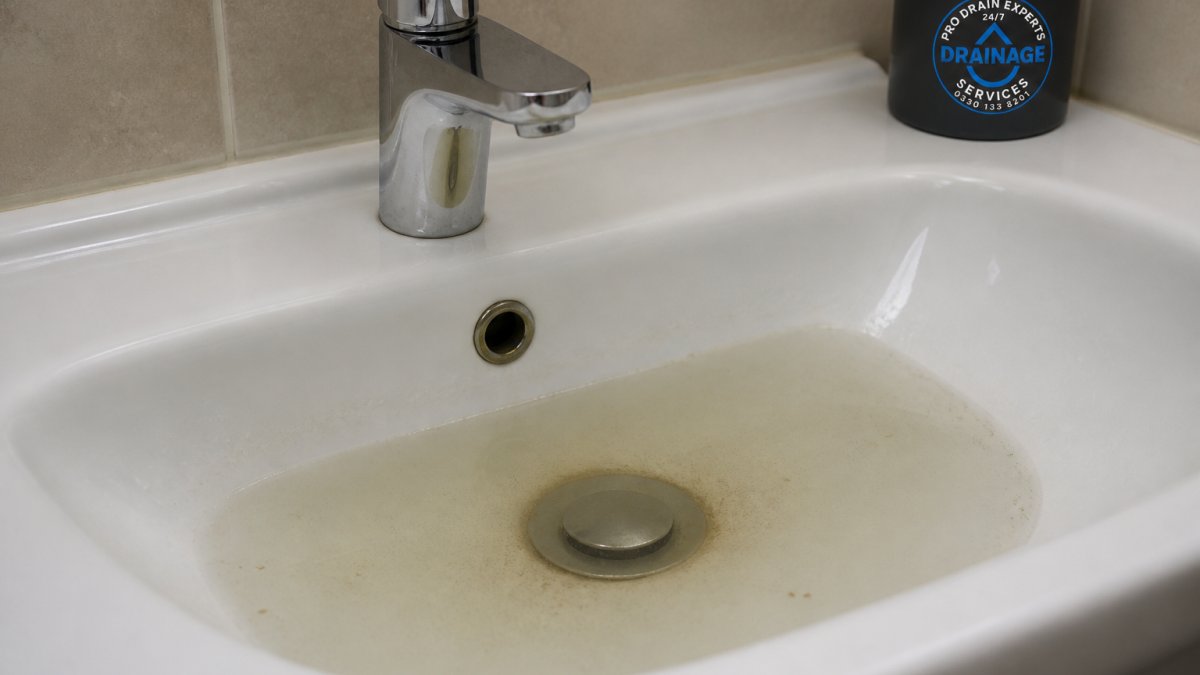
Slow drainage is often the first sign of a developing blockage. Water that should drain in seconds takes minutes. This happens in sinks, showers, and baths.
Gurgling sounds from your drains mean air is trapped in the pipes. As water tries to flow past a partial blockage, it creates vacuum pockets that release air with a gurgling or bubbling sound. You might hear it from the sink, toilet, or even the walls where pipes run.
These sounds often happen when you use one fixture and another gurgles in response. For example, you flush the toilet and the bathroom sink gurgles. This indicates a shared drainage pipe is partially blocked.
Overflowing toilets and backed-up water
A toilet that won't flush properly or backs up is a serious warning. When you flush and water rises instead of draining, a blockage is restricting flow.
Multiple drains backing up at once, toilet, sink, and shower all slow or blocked simultaneously, suggests the blockage is in your main drain line, not a single pipe. This is more serious and typically requires professional intervention.
Backed-up water can cause significant damage. It carries bacteria and sewage into your home. It damages flooring, drywall, and personal items. It creates health hazards for your family.
If backing up happens repeatedly after being cleared, the blockage isn't fully removed or a new one is forming quickly.
Using a CCTV Drain Survey to Identify the Root Cause
When blockages keep returning, guessing at the cause wastes time and money. A CCTV drain survey shows exactly what's happening inside your pipes.
What a CCTV survey reveals
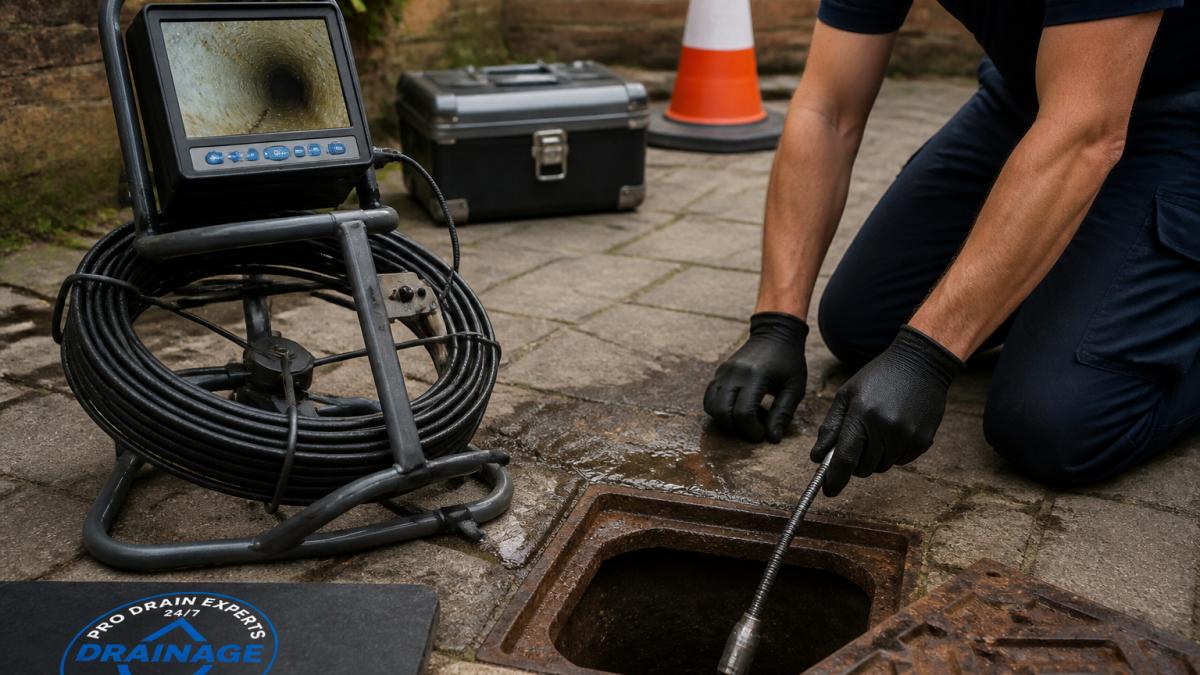
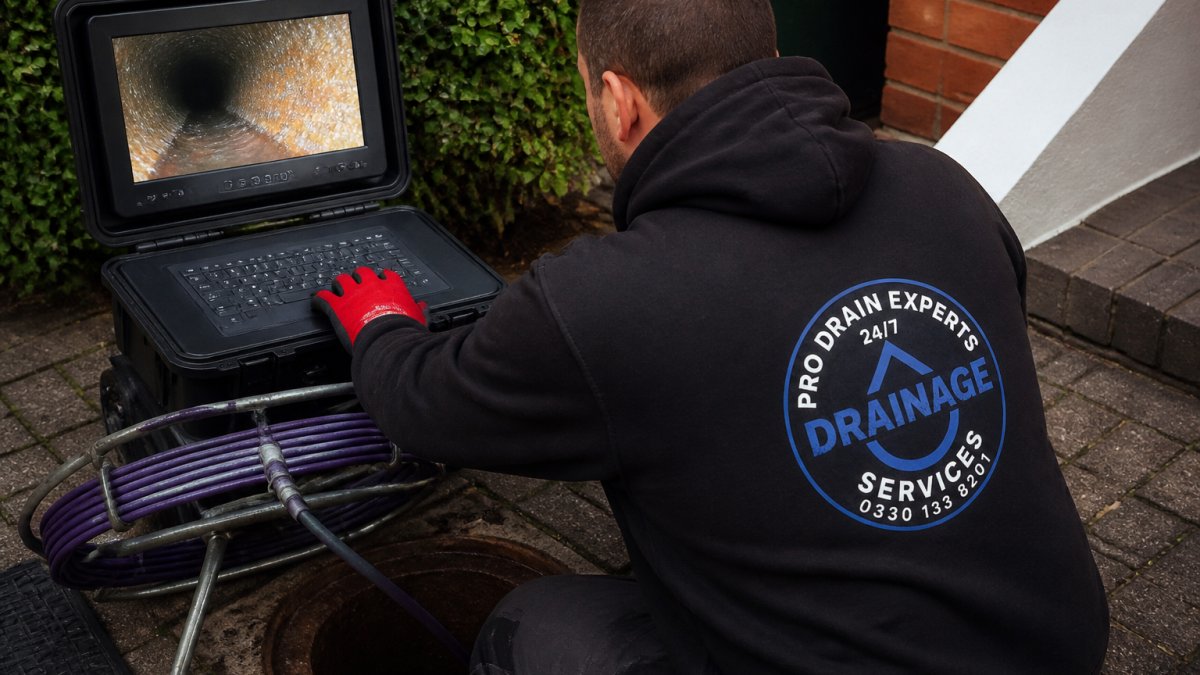
A CCTV drain survey uses a small camera on a flexible rod to travel through your drainage system. It captures video footage of the inside of your pipes, showing:
- Blockages and their exact location
- Cracks, breaks, and damage in the pipe structure
- Tree root intrusion and how far it's progressed
- Misaligned or collapsed sections
- Grease buildup and mineral deposits
- Foreign objects stuck in the pipes
The camera feeds video to a monitor where a trained operator watches in real time. They can identify the exact problem causing your recurring blockages.
Pro Drain Experts uses CCTV surveys to diagnose difficult cases. The video evidence removes guesswork. You see what's wrong and understand exactly why your drains keep blocking.
When to request a survey
Request a CCTV survey when:
- Blockages return within weeks of being cleared
- Multiple drains are backing up simultaneously
- You're buying a property and want to check drainage before committing
- You notice subsidence, damp patches, or persistent odours
- You've had repairs done but problems continue
A survey costs less than repeated emergency call-outs and temporary fixes. It pays for itself by identifying the real problem so it can be fixed properly the first time.
How to Prevent Drain Blockages from Returning
Prevention is always easier than cure. Once you know what causes your blockages, you can stop them from happening again.
Daily habits and maintenance routines
Simple daily habits prevent many blockages:
- Use drain strainers in sinks, showers, and baths to catch hair and debris
- Never pour grease down the kitchen sink, let it cool and dispose in the bin
- Flush only toilet paper down toilets, not wet wipes or other materials
- Run hot water through drains weekly to flush buildup
- Use enzyme-based drain cleaners monthly to break down organic matter
- Keep gutters and external drains clear of leaves and debris
For commercial kitchens in Ringmer and nearby areas, grease traps must be cleaned regularly. A full trap causes blockages quickly.
Professional cleaning and inspection schedules
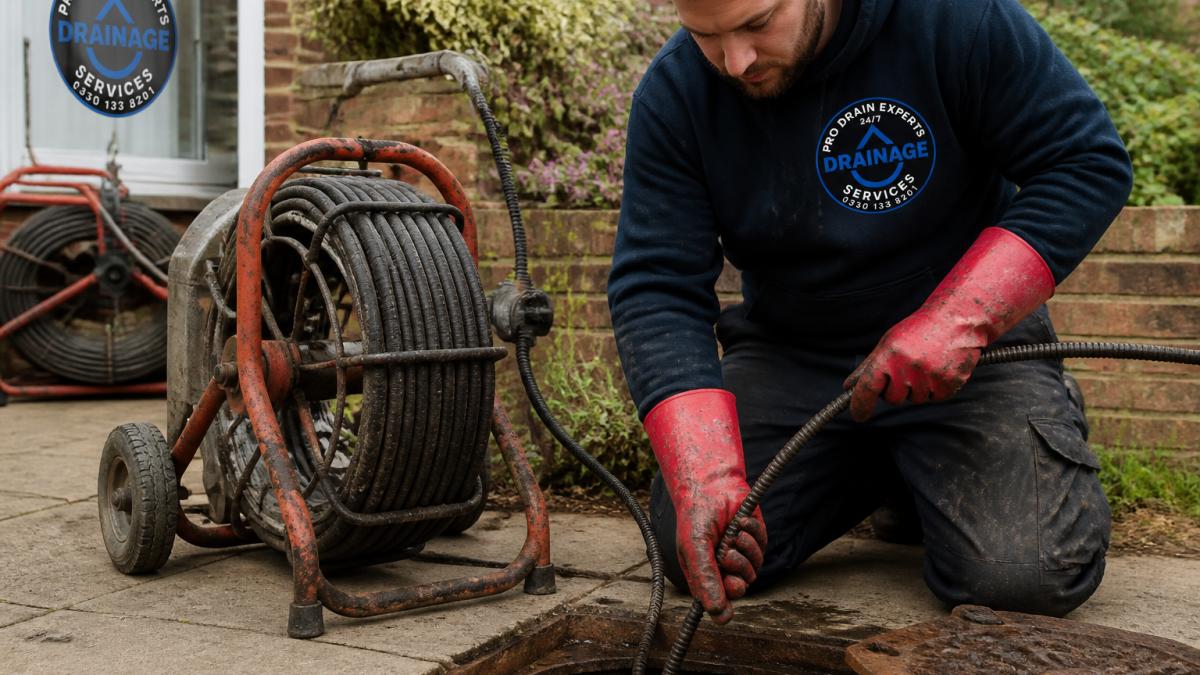
Annual professional drain cleaning removes buildup before it causes blockages. High-pressure water jetting clears grease, mineral deposits, and light root intrusion.
Regular inspections catch problems early. A small crack can be sealed before roots invade. A slight misalignment can be corrected before it traps debris.
Regular inspections catch problems early. This preventative approach stops recurring blockages before they start.
Properties with known issues, such as those near mature trees or with older clay pipes, benefit from more frequent inspections.
When to Call a Professional Drainage Expert
Some blockages you can handle yourself. Others require professional equipment and expertise.
Call a professional immediately if:
- Multiple drains are blocked simultaneously
- Water backs up into your home
- You smell sewage or see sewage in your garden
- Blockages return within weeks of being cleared
- You've tried clearing a blockage and it hasn't worked
- You suspect tree roots or structural damage
Pro Drain Experts operates 24/7 across Ringmer, East Sussex, West Sussex, and Kent. We respond the same day to emergency call-outs. Our team uses CCTV surveys, high-pressure jetting, and other advanced techniques to identify and fix the real problem, not just the symptom.
We know the difference between a quick temporary fix and a proper solution. We provide detailed reports after every survey so you understand what caused your blockages and how we've fixed them.
Frequently Asked Questions
How can you tell if a drain blockage keeps coming back?
Recurring blockages show a pattern: slow drainage returns within weeks or months after being cleared, gurgling sounds reappear in pipes, or multiple drains in your home back up simultaneously. If you've had the same drain professionally cleared more than once in six months, the blockage is likely returning. This suggests the original cause wasn't fully resolved, whether that's tree root intrusion, structural damage, or accumulated buildup deeper in the pipe network.
What are the common causes of recurring drain blockages?
The most frequent causes are tree roots penetrating pipes, grease and food waste accumulation in kitchen drains, hair and soap residue in bathroom drains, and structural damage allowing soil ingress. External factors like ground movement, old clay pipes prone to collapse, and inadequate pipe gradients also contribute. A CCTV drain survey identifies which cause applies to your system, enabling targeted prevention rather than temporary fixes.
Can a CCTV drain survey identify the cause of repeated blockages?
Yes. A CCTV drain survey provides a detailed video inspection of your entire drain system, revealing tree root intrusion, pipe fractures, collapsed sections, grease buildup, and debris accumulation. This visual evidence shows precisely where blockages form and why they recur. The survey report includes recommendations for targeted repairs or maintenance, helping you avoid repeat callouts and unnecessary costs.
How do I prevent drain blockages from happening repeatedly?
Install drain guards to catch hair and debris, avoid pouring grease down kitchen sinks, use enzyme drain cleaners monthly to break down organic buildup, and schedule routine professional drain cleaning annually. For external drains, keep gutters clear and monitor for pooling water. If tree roots are the issue, professional root removal and pipe relining may be necessary. Regular inspections catch problems early before they cause recurring blockages.
Recurring drain blockages don't go away on their own, they get worse. If you're dealing with blockages that keep returning, the root cause needs professional diagnosis. Pro Drain Experts provides CCTV drain surveys, high-pressure jetting, and detailed recommendations to stop blockages permanently. We offer same-day response and up-front pricing with no hidden fees. Contact us today for an emergency call-out or to book a survey.