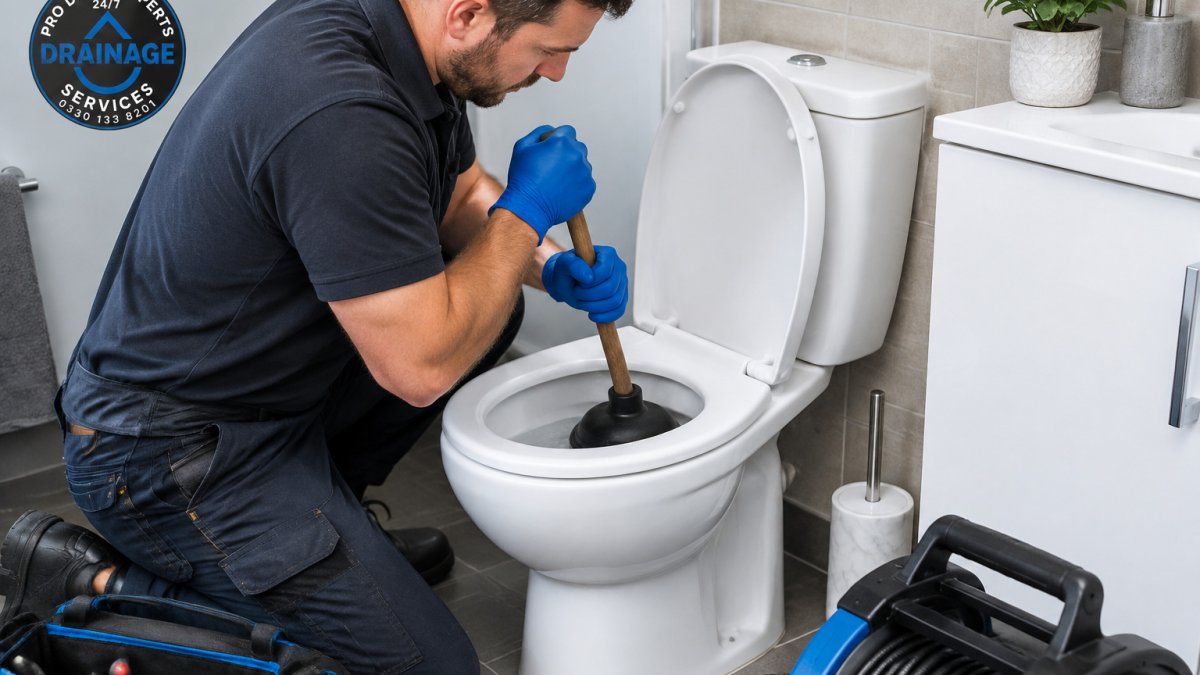
 How-to
How to Clear a Blocked Toilet Safely at Home
Quick Summary
To clear blocked toilet problems safely, stop flushing, protect the floor, then try a plunger on soft clogs of paper or waste. If that fails, use washing-up liquid with hot water, and call a professional if a foreign object is stuck or several drains back up together.
- Stop flushing as soon as the water rises, and turn off the water supply if it keeps climbing.
- Remove some water with a bucket before plunging if the bowl is close to the rim.
- Never use boiling water, bleach mixes or chemical drain cleaners on a blocked toilet.
- Use a toilet auger rather than a plunger if a child's toy or soap bar has gone down.
- Call a professional if home methods fail after two or three attempts or several drains are blocked.
Table of Contents
- Why Your Toilet Is Blocked and How to Tell
- Before You Start: Safety and Overflow Prevention
- How to Clear a Blocked Toilet With a Plunger
- Using Hot Water, Washing-Up Liquid and Baking Soda
- Drain Unblocking Tools Worth Having at Home
- Testing the Flush and Cleaning Up Safely
- Preventing Toilet Blockages in the Future
- When a Blockage Needs an Emergency Plumber in East Sussex
- Booking Your Emergency Call-Out With Pro Drain Experts
- Frequently Asked Questions
Why Your Toilet Is Blocked and How to Tell
Last Updated: November 19, 2026
A blocked toilet is one of the most common household plumbing problems in Ringmer and across the UK. Many homeowners first notice a slow flush, a bowl that fills and then drains only slowly, or water that rises close to the rim. Knowing the cause makes it far easier to clear blocked toilet problems quickly, because the right response depends on what is actually stuck.
The most common causes are too much toilet paper, wet wipes that are marketed as flushable but do not break down, sanitary products, nappies, and cotton buds. A child's toy or a bar of soap can also cause a blockage. Hard water and a build-up of limescale can narrow the trap over time.
Look for these signs:
- The water level rises after flushing and takes a long time to drop.
- The toilet gurgles when you run a tap elsewhere in the house.
- Water drains slowly from the bowl, the bath or the basin at the same time.
- A bad smell comes from the toilet or the drains.
Match the response to the likely cause
Before you reach for a plunger, work out which of these patterns fits your situation. The fix that works for a paper clog can make a foreign-object blockage worse.
- Soft clog (paper or waste): The flush is slow but water still trickles away, and the problem started after a large flush. A plunger or hot water with washing-up liquid is usually enough.
- Foreign object: A child's toy, a soap bar, or a sanitary product has gone down and the toilet will not clear at all. Plunging can jam the object tighter, so a toilet auger is the better first tool.
- Recurring blockage: The same toilet blocks every few weeks even with careful use. This points to a partial obstruction or a build-up in the trap or branch pipe, and it needs a professional inspection rather than repeated DIY attempts.
- Wider drain problem: Several fixtures back up together, or water gurgles in the bath when you flush. The blockage is likely in the main drain, not the toilet, and home tools will not reach it.
If only the toilet is affected, the blockage is usually in the pan or the trap. If several fixtures back up together, the problem may be in the main drain, so call a professional.
Watch out: never assume a slow flush is just paper. If the toilet has never drained properly since a small object went missing, treat it as a foreign-object blockage and avoid forceful plunging.
Before You Start: Safety and Overflow Prevention
Before you touch anything, protect yourself and your home. Wear rubber gloves, and keep your hands away from your face. Toilet water can carry bacteria, so wash your hands well afterwards.
Stop flushing as soon as you notice the water is rising. Take the lid up and move any rugs or towels away from the base of the toilet. Keep an old towel or a bucket nearby in case the water spills while you clear blocked toilet problems.
A common mistake is to keep flushing to see if the blockage will clear. This often pushes the water over the rim and onto the floor. Turn off the water supply under the toilet if the level keeps rising. This valve is usually on the wall behind the pan.
Never mix bleach with other cleaning products, and never pour caustic drain cleaner into a toilet you cannot clear. These products can cause burns and damage the pipes.
How to Clear a Blocked Toilet With a Plunger
A plunger is the first tool most people should try. It works well for soft blockages made of toilet paper or waste.
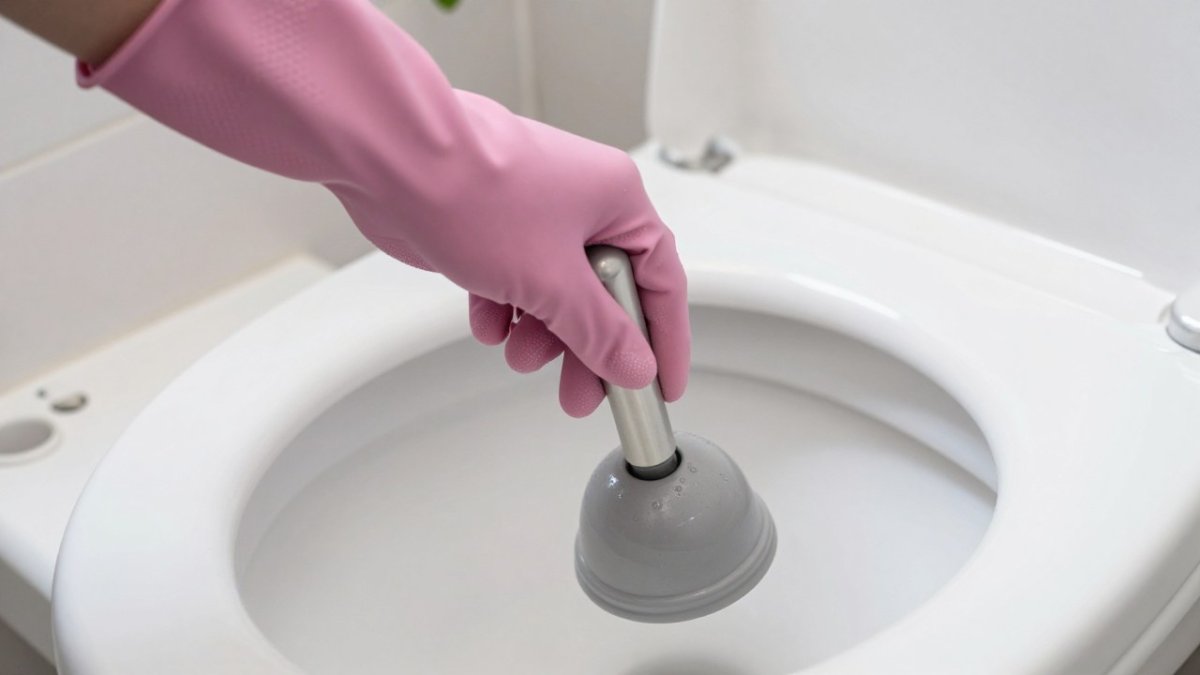
- Put on gloves and check the water level. If the water is close to the rim, remove some with a bucket.
- Place the plunger over the hole at the bottom of the bowl so the rubber cup covers it fully.
- Push down gently to push out the air, then pump up and down about 15 to 20 times.
- Lift the plunger away from the hole and check whether the water drains.
- Repeat the process if the water is still slow.
Keep the plunger in the bowl while you pump, and avoid splashing. If the toilet has a rubber flange plunger, use it because it creates a better seal. Clean the plunger with disinfectant afterwards.
Watch out: do not use a plunger on a toilet with a serious overflow. You may push water and waste into the bathroom.
The table below sums up the main household methods covered in this guide, so you can see which fits your blockage.
| Method | Best for | Key caution |
|---|---|---|
| Plunger | Soft clogs of paper or waste | Remove water first if the bowl is near the rim |
| Washing-up liquid and hot water | Soft clogs not far down the pipe | Use hot water from the tap, not boiling |
| Baking soda and white vinegar | Light build-up | Never mix with bleach |
| Toilet auger | Foreign objects and stubborn clogs | Turn the handle slowly to avoid pipe damage |
| Chemical drain cleaner | Not recommended for toilets | Can damage pan, seals and pipes |
Using Hot Water, Washing-Up Liquid and Baking Soda
If the plunger does not clear the blockage, you can try a few household methods. These work best on soft clogs that are not far down the pipe, and they are gentler on the pan and seals than chemical drain cleaners.
Start with washing-up liquid. Pour about a cup of washing-up liquid into the bowl, then let it sit for 10 to 15 minutes. The liquid helps coat the blockage and make it slippery, so the next flush or plunge can shift it.
Next, pour hot water into the bowl, not boiling water, which can crack porcelain. Use water that is hot but still comfortable to touch. Wait a few minutes and then try flushing.
You can also use baking soda and white vinegar. Add half a cup of baking soda, then pour in a cup of white vinegar. The mixture will fizz. Leave it for 30 minutes, then pour in hot water and check the flow.
Let each treatment work for at least 30 minutes before you judge the result. If the water is still not draining, move on to a tool. Do not use chemical drain cleaners on a toilet you cannot clear, as they can damage the pan and the seals.
Methods to avoid and why
Some popular advice does more harm than good. Knowing why saves you a repair bill.
- Boiling water: Porcelain can crack when it meets water at boiling point, and the shock can also loosen the seal at the base. Use hot water from the tap, not a kettle just off the boil.
- Chemical drain cleaners: Caustic products generate heat as they react, which can damage plastic pipes and the toilet's internal seals. If they fail, they leave a hazardous mixture in the bowl that a plumber then has to deal with.
- Forceful plunging on a full bowl: If the water is near the rim, plunging pushes water and waste into the bathroom. Remove some water with a bucket first.
- Repeated flushing to test: Each flush adds more water to a blocked system. If the level is rising, stop flushing and turn off the supply.
Watch out: never mix bleach with vinegar, baking soda, or any other cleaner. The reaction can release harmful gas, and it will not clear the blockage any faster.
Drain Unblocking Tools Worth Having at Home
Some blockages need a tool. A few simple items can save you a call-out.
- A sturdy plunger: Choose one with a flange for toilets.
- A toilet auger: A hand-cranked tool with a flexible cable that reaches past the trap.
- Rubber gloves: Heavy-duty gloves protect your hands from bacteria.
- A bucket and old towels: Use these to catch spills and protect the floor.
- A torch: It helps you see inside the bowl.
A toilet auger is the most useful tool for stubborn clogs. Feed the cable into the bowl, turn the handle slowly, and pull it back. Drain unblocking tools are sold at most DIY shops.
Testing the Flush and Cleaning Up Safely
Once you think the blockage has cleared, test the toilet. Flush with the lid up and watch the water. It should drop quickly and stop at a normal level. Run the bath or basin tap for a moment and check for any gurgling.
If the water drains properly, flush once more with a small amount of tissue paper to confirm. Avoid flushing anything else.
Clean up carefully. Put the used gloves, towels and cloths in a sealed bag and throw them away. Wipe the toilet seat, the floor and the handle with disinfectant. Wash the plunger and the tools in hot water with washing-up liquid, then disinfect them. Wash your hands again.
Preventing Toilet Blockages in the Future
Most blockages are avoidable. Only flush the three Ps: pee, poo and paper. Even paper labelled as flushable should be used in small amounts.
Put a bin beside the toilet for wet wipes, sanitary products, cotton buds and nappies. Tell children and visitors what can and cannot go down the toilet. This simple step prevents many problems.
Clean the toilet regularly with a brush and a suitable cleaner. This helps reduce limescale and build-up in the trap. Some people also use a monthly mixture of hot water and baking soda to keep the pipes clear, though it is not a replacement for good habits.
Preventing toilet blockages in the future is easier than clearing a serious one, so build these habits into your routine.
When a Blockage Needs an Emergency Plumber in East Sussex
Some blockages need a professional. Call an emergency plumber if the home methods have not worked after two or three attempts. Other warning signs include water backing up into the bath or shower, several drains blocked at once, sewage smells that do not go away, or water appearing outside the house.
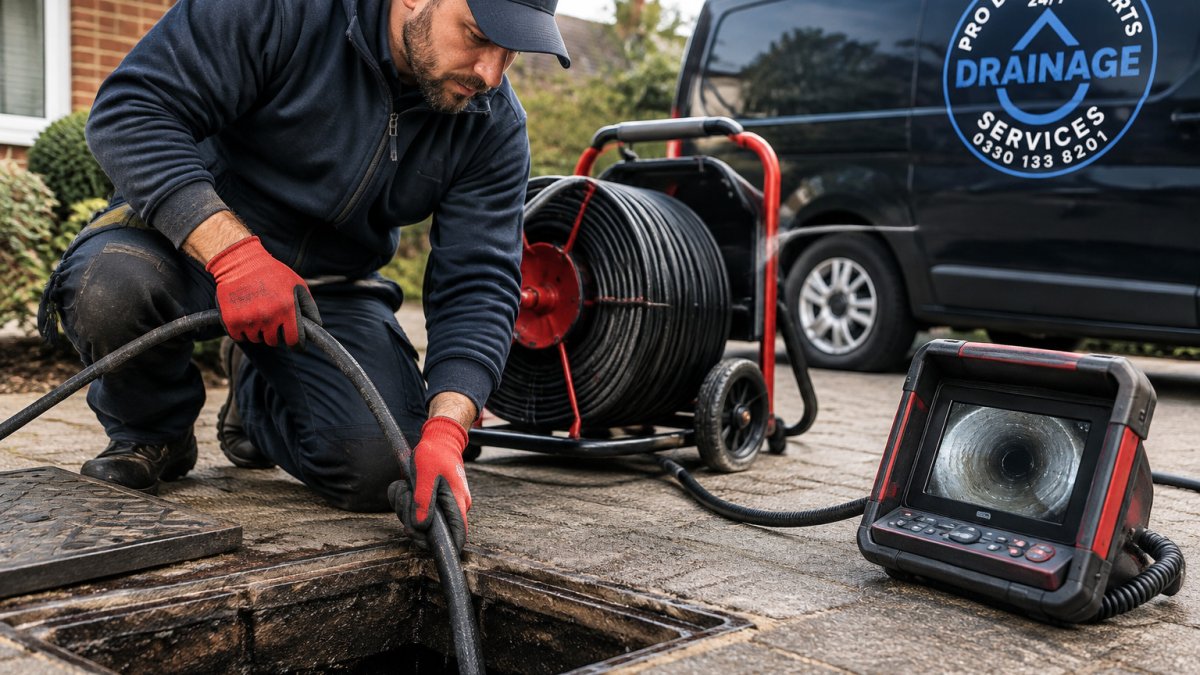
If you live in East Sussex, Pro Drain Experts can help with urgent drainage problems. A professional drainage team can use specialist equipment to find and clear blockages that home tools cannot reach. For more on the signs that point to a bigger drain problem, read our guide on 7 Signs You Need Professional Drain Repair.
If a blockage is serious or the water is rising fast, do not wait. Stop using the toilet and any other fixtures that drain into the same pipe. For a full guide to what emergency unblocking involves, see our article on Emergency Drain Unblocking: Costs & What to Expect.
Booking Your Emergency Call-Out With Pro Drain Experts
When you call, give a clear description of the problem. Tell us which fixtures are affected, whether there is any sewage smell or standing water, and whether the problem is in the toilet, the sink or the main drain. This helps us arrive prepared.
Pro Drain Experts offers 24/7 emergency call-out services, same-day response, and up-front pricing with no hidden fees. Our fully equipped vans carry the tools needed for most blockages. You can see examples of out-of-hours unblocking jobs in the Lewes area to get a sense of how we work.
To get help now, contact Pro Drain Experts for an emergency call-out.
Frequently Asked Questions
What is the best way to unblock a toilet without a plunger?
Try a mix of hot water and washing-up liquid. Pour a bucketful of hot, not boiling, water into the bowl from waist height so the force helps push the blockage through, then add a squirt of washing-up liquid to help loosen soft material. Wait 10 to 15 minutes before testing. A bicarbonate of soda and white vinegar mixture can also help with soft clogs, but it is not a substitute for a plunger on a firm blockage. If the water still does not drain after two attempts, stop and call a professional rather than repeating the process.
Will a blocked toilet clear itself eventually?
Sometimes a partial blockage will clear as water slowly passes through it, but waiting is rarely a good idea. A full blockage can cause the bowl to overflow, leaving sewage and water on the floor and risking damage to your home. If the water level keeps rising or drains very slowly, act straight away. Stop flushing, turn off the water supply valve behind the toilet if it is safe to do so, and try a plunger or contact an emergency plumber in East Sussex.
Can I use bleach to clear a blocked toilet?
It is better to avoid bleach and chemical drain cleaners when clearing a toilet blockage. Harsh chemicals do not reliably break down toilet paper or solid waste, can splash onto skin and eyes, and may damage pipes over time. If you have already used a chemical product, do not mix it with other cleaners and tell any plumber who attends so they can take precautions. Hot water, washing-up liquid and a plunger are safer first steps for most household blockages.
When should I call an emergency plumber in East Sussex?
Call a professional if the toilet has not cleared after two or three attempts with a plunger and a hot water treatment, if water is backing up into other fixtures such as the shower or sink, if you notice sewage smells in the bathroom, or if the water rises close to the rim. Overflow and contaminated water are hazards, so do not try to repeat treatments that are not working. Pro Drain Experts offers 24/7 emergency call-outs across East Sussex, West Sussex and Kent, with up-front pricing and a same-day response promise.