 how-to
Is Emergency Drain Repair Covered by Insurance?
Table of Contents
- Does Home Insurance Cover Blocked Drains?
- Common Insurance Exclusions for Drain Damage
- Home Emergency Cover for Drains: What's Included
- Emergency Drain Repair Cost and Coverage Limits
- How to File a Drain Repair Insurance Claim
- When Insurance Won't Pay: What to Do
- Preventing Drain Emergencies: Insurance Benefits
- Frequently Asked Questions
Last Updated: October 16, 2026
Does Home Insurance Cover Blocked Drains?
When a drain backs up or floods, your first instinct is to call for help. Your second might be to check whether is emergency drain repair covered by insurance. The answer depends on what caused the problem and what type of cover you have.
Most standard buildings insurance policies don't cover blocked drains. The reason is simple: insurers view drain maintenance as your responsibility. If a drain fails because you haven't cleared it or maintained it properly, that's a maintenance issue, not an insurable loss.
However, some situations ARE covered. Sudden, accidental damage, like a burst pipe flooding your kitchen, falls under buildings insurance. Emergency drain repair caused by structural collapse or external damage might qualify. The key is understanding the difference between gradual wear and sudden events.
Gradual blockages vs. sudden emergencies
A blocked drain that builds up over weeks or months is not an emergency in insurance terms. It's neglect. Insurers won't pay for gradual blockages because you had time to address the problem.
A sudden blockage is different. If your drain was working fine yesterday and failed today, that's sudden. But even sudden blockages are often excluded unless they're caused by something outside your control, like a tree root breaking through the pipe, or a structural collapse.
The distinction matters because it changes whether you can claim. Gradual blockages from hair, grease, or sediment are your responsibility. Sudden emergencies from external damage might be covered.
What your buildings insurance actually covers
Buildings insurance protects the structure of your home. It covers pipes, drains, and sewers that are part of the building itself. But there's a catch: it only covers damage from sudden, accidental events.
What IS typically covered:
- Burst pipes from freezing temperatures
- Drain collapse from subsidence or ground movement
- Damage from flooding caused by external water
- Tree root damage (in some policies)
What is NOT covered:
- Blockages from everyday use
- Lack of maintenance or cleaning
- Wear and tear on pipes
- Gradual deterioration
Read your policy carefully. Some insurers define "sudden" very strictly. A drain that fails over a few days might not count as sudden in their eyes. Others are more generous. The wording in your specific policy determines what you can claim.
If you're unsure whether your situation qualifies, contact your insurer before paying for repairs. They'll tell you whether emergency drain repair falls under your cover. Don't assume it's covered, many homeowners in Ringmer and across East Sussex have discovered too late that their claim was rejected.
Common Insurance Exclusions for Drain Damage
Insurance policies are full of exclusions. For drains, the most common ones stop you from claiming when you need it most.
Wear and tear: the biggest coverage gap
Wear and tear is the biggest reason drain claims get rejected. Pipes corrode. Joints weaken. Clay pipes crack. These are normal aging processes, and insurers don't cover them.
The problem is distinguishing between wear and tear and sudden damage. A pipe that's been failing for years and finally collapses looks like a sudden emergency to you. To your insurer, it's the result of gradual deterioration.
This exclusion catches many homeowners off guard. You pay your premiums for years, then need help, and discover the damage doesn't qualify because it resulted from age or lack of maintenance.
Some policies are stricter than others. Older policies sometimes exclude drains entirely. Newer policies might cover sudden drain failure but exclude blockages. Read the exclusions section of your policy, it's usually where the important limits are spelled out.
Tree root damage and neglect
Tree roots are a common cause of drain damage. They grow into pipes seeking water, cracking and blocking them. Some policies cover tree root damage. Many don't.
Even when tree root damage is covered, there's often a catch. If you knew the tree was there and didn't take steps to prevent damage, the insurer might deny your claim. They'll argue you were negligent.
Neglect exclusions are broad. If you ignored warning signs, slow drains, wet patches in the garden, foul smells, your insurer might say you should have acted sooner. They won't pay for emergency drain repair if they believe you could have prevented it.
The best defense is maintenance. Have your drains inspected regularly. If you have large trees near your drains, consider professional root barriers or regular cleaning. This creates a record of preventative action, which helps if you need to claim later.
Home Emergency Cover for Drains: What's Included
Home emergency cover is different from buildings insurance. It's a separate policy designed to cover urgent repairs that can't wait.
Home emergency cover typically includes:
- 24/7 call-out service
- Emergency plumber or drainage engineer response
- Cover for urgent repairs up to a set limit
- Sometimes includes temporary repairs to prevent further damage
The key difference is speed. Emergency cover prioritises getting someone to your home quickly. Buildings insurance might cover the full repair cost, but it doesn't guarantee fast response.
How emergency cover differs from buildings insurance
Buildings insurance is about protecting your property's value. Emergency cover is about getting help when you need it now.
With buildings insurance, you pay for the repair yourself and claim back later. The claim process takes weeks or months. You need to prove the damage qualifies, gather quotes, and submit evidence.
With emergency cover, the insurer sends someone to you within hours. They handle the cost directly. There's no waiting for a claim decision.
The trade-off is limits. Emergency cover usually caps what they'll pay, often £500 to £1,500 per claim. Buildings insurance might cover the full cost of a major repair, but only if it qualifies as sudden and accidental.
Many homeowners have both. Buildings insurance covers the full repair cost if it qualifies. Emergency cover handles the urgent part and gets you back to normal fast.
Cost limits and excess fees
Emergency cover policies have limits on what they'll pay per incident. Read yours carefully.
Common limits:
- £500 to £1,000 for drainage emergencies
- £250 to £500 for parts and labour
- Sometimes separate limits for different types of damage
You also pay an excess, the amount you contribute toward the repair. This is usually £50 to £150 per claim. Some policies have no excess if you use their approved engineers.
These limits mean emergency cover might not cover the full cost of a major repair. If your drain needs £2,000 of work, emergency cover might pay £1,000 and you pay the rest. That's still better than paying the whole amount yourself, but it's not complete coverage.
Check whether your emergency cover includes follow-up repairs. Some policies only cover the emergency call-out and temporary fix. Permanent repairs might not be covered at all.
Emergency Drain Repair Cost and Coverage Limits
The cost of emergency drain repair varies widely. It depends on what's wrong, how accessible the drain is, and what method the engineer uses.
Common repair methods include:
- Drain rodding or clearing (usually £200 to £500)
- High-pressure water jetting (£300 to £800)
- CCTV inspection to diagnose the problem (£150 to £400)
- Drain relining for cracks or collapses (£1,500 to £5,000)
- Full drain replacement (£3,000 to £10,000+)
Insurance coverage limits rarely match these costs. Most emergency cover policies cap payouts at £500 to £1,500. Buildings insurance might cover more, but only if the damage qualifies as sudden and accidental.
What affects repair costs and claim decisions:
The location of the blockage matters. A blockage in the main sewer line costs more to clear than one in a downpipe. If the damage is under your garden or driveway, excavation adds significant cost.
The cause of the damage affects whether you can claim. A blockage from tree roots might be covered under some policies. A blockage from grease buildup won't be. Your insurer will investigate the cause before deciding whether to pay.
How quickly you act affects the cost. A small blockage that's cleared quickly costs less than one that's left to worsen and cause flooding. Delaying the repair doesn't help your claim, it makes the damage worse and the repair more expensive.
The engineer you use matters too. Some insurers require you to use their approved contractors. If you call someone else, you might have to pay upfront and claim back later, if they approve the claim at all.
How to File a Drain Repair Insurance Claim
Filing a claim for emergency drain repair requires documentation and timing. Do it wrong and your claim gets rejected.
Step 1: Document the problem immediately
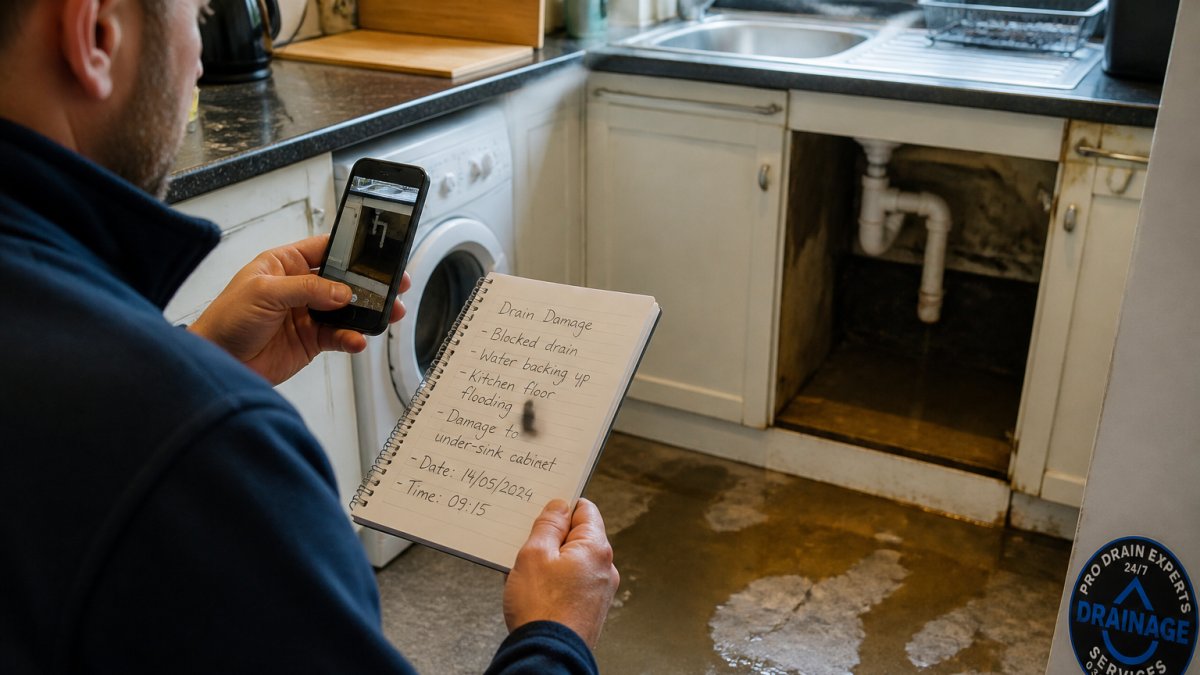
As soon as you notice a drainage problem, document it. Take photographs and videos of:
- The blockage or damage
- Any flooding or water damage
- The location of the affected drain
- The date and time the problem started
Write down what you observed. When did you first notice the problem? What were the warning signs? Did the drain fail suddenly or gradually?
Keep receipts for any emergency repairs you pay for out of pocket. If you call an engineer before contacting your insurer, keep their invoice and report.
This documentation is crucial. Insurers will ask for proof that the damage was sudden and accidental. Photographs and your own timeline are your best evidence.
Step 2: Contact your insurer before repairs begin
Call your insurance company as soon as you know there's a problem. Don't wait. Don't assume they'll cover it. Don't start repairs without asking first.
Tell them:
- What the problem is
- When it started
- What you've observed
- Whether the drain is still blocked or has partially cleared
Ask specifically whether is emergency drain repair covered by insurance under your policy. Ask what you need to do to make a valid claim.
Some insurers will tell you to get quotes before they decide. Others will send their own engineer to assess the damage. Follow their instructions exactly. If they say get three quotes, get three quotes. If they say use their approved contractor, use their approved contractor.
Don't pay for repairs yet unless they tell you to. If you pay first and claim back later, they might reject the claim if you didn't follow their process.
Step 3: Get professional assessment and quotes
Once your insurer approves the claim process, get a professional assessment. We provide detailed reports of what's wrong and what it will cost to fix.
A professional assessment includes:
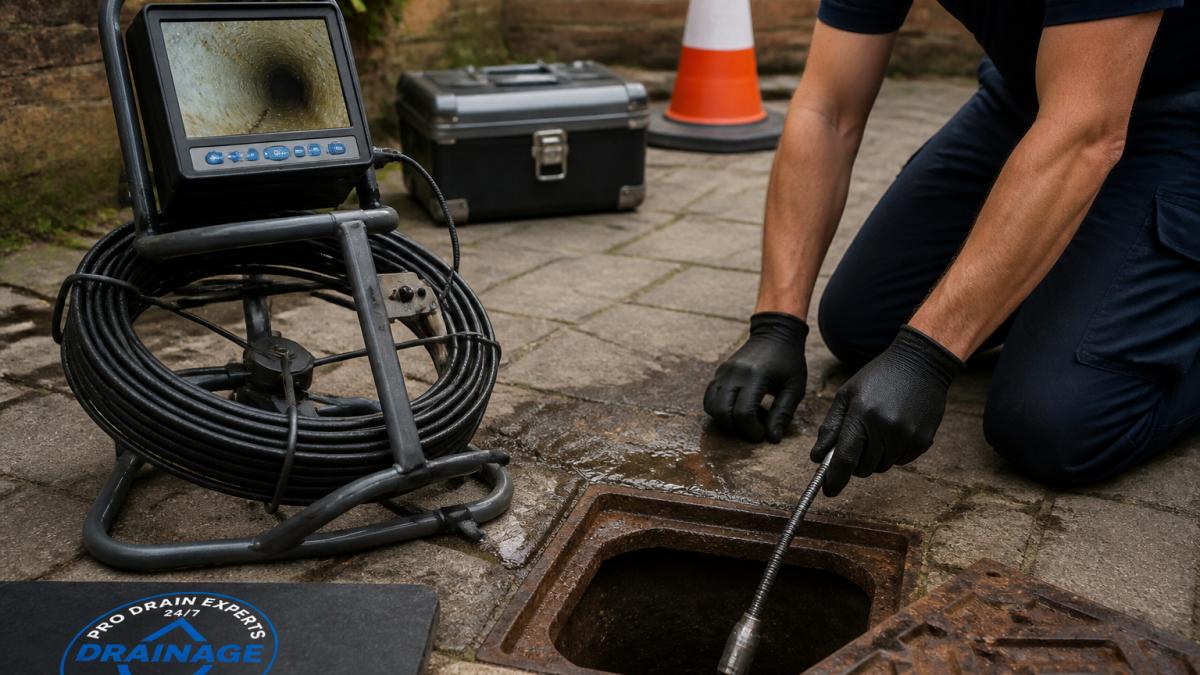
- CCTV inspection to see inside the drain
- A written report explaining the damage
- A quote for the repair
- Recommendations for preventing future problems
This report is evidence for your insurance claim. It shows exactly what's wrong and why it needs fixing. It also protects you, if the problem is worse than expected, the report proves you didn't know about it beforehand.
Get at least two quotes if your insurer requires it. Compare them carefully. The cheapest option isn't always the best. Look for engineers who provide detailed reports and guarantees on their work.
Step 4: Submit your claim with evidence
Once you have quotes and your insurer has approved the work, submit your claim. Include:
- Your policy number
- Photographs of the damage
- The professional assessment report
- Quotes for the repair
- Your timeline of events
- Receipts for any emergency expenses
Submit everything at once. Don't drip-feed documents to your insurer, they might delay processing while waiting for more information.
Keep copies of everything you send. If your claim gets rejected, you'll need to refer back to what you submitted.
Your insurer will review the evidence, decide whether it qualifies for cover, and tell you what they'll pay. If they approve it, they'll either pay you directly or pay the contractor.
When Insurance Won't Pay: What to Do
Many drain damage claims get rejected. It happens for common reasons, and you have options.
Denied claims and your options
Insurance companies deny drain claims because:
- The damage resulted from gradual wear and tear, not a sudden event
- The blockage came from lack of maintenance
- Tree root damage is specifically excluded in your policy
- The damage occurred before your policy started
- You didn't follow their claims process correctly
If your claim is denied, you can:
- Ask the insurer to explain their decision in writing
- Challenge the decision if you believe they're wrong
- Complain to the Financial Conduct Authority if you think they've treated you unfairly
- Seek legal advice if the claim is large enough to justify it
Before you give up, ask your insurer exactly why they denied the claim. Sometimes it's a misunderstanding. Sometimes they've applied the wrong exclusion. If you can show they made a mistake, they might reconsider.
Emergency repairs without insurance coverage
If insurance won't pay, you still need the drain fixed. Here's how to manage the cost:
Get multiple quotes. Different engineers charge different rates. Compare what they're offering, the cheapest quote might mean lower quality work.
Ask about payment plans. Some engineers offer payment arrangements if the repair is expensive. You might be able to spread the cost over a few months.
Consider whether you can do a temporary fix yourself. A blocked drain might be cleared with a plunger or drain snake for £20 to £50. This buys you time to save for a professional repair if the blockage returns.
For major repairs like drain relining or replacement, the cost is significant. But ignoring the problem makes it worse. A small crack that's ignored becomes a major collapse. A slow blockage that's ignored becomes a flooded kitchen.
If you can't afford the full repair immediately, ask the engineer whether they can do it in stages.
Preventing Drain Emergencies: Insurance Benefits
The best way to use insurance is to avoid needing it. Prevention is cheaper than emergency repair.
Regular drain maintenance reduces blockages. Have your drains inspected every 2 to 3 years. If you have older clay pipes or know there are tree roots nearby, inspect more often.
CCTV drain surveys show exactly what's happening inside your pipes. They identify cracks, blockages, and tree root damage before they become emergencies. This evidence is valuable for insurance claims, if a crack exists, you can claim it's a structural defect, not neglect.
Keep records of maintenance. If you have your drains cleaned regularly and inspected professionally, you're protecting yourself. When you claim, you can show your insurer that you've been responsible. This strengthens your claim.
Clear your drains properly. Don't pour grease down the sink. Don't flush anything except toilet paper. Use drain guards to catch hair. These simple habits prevent most blockages.
If you have trees near your drains, consider professional root barriers. They prevent roots from entering pipes. The cost is much less than emergency repair.
Ask your insurer whether they have a maintenance discount or a "no claim" bonus. These savings can offset the cost of professional inspections.
Understanding whether emergency drain repair is covered by insurance saves you money and stress. Most standard policies don't cover blockages, but sudden damage from external causes sometimes qualifies. Home emergency cover provides faster response but lower limits. The key is knowing what your policy covers before you need it.
When drainage problems strike, you need fast, reliable help. Pro Drain Experts provides 24/7 emergency call-out service across East Sussex, West Sussex, and Kent with same-day response and up-front pricing. Our team uses CCTV surveys to diagnose problems accurately, so you know exactly what needs fixing. We provide detailed reports that support insurance claims and help you understand whether your cover applies. Contact us for emergency drain repair when you need it most, we're here to help, whether insurance covers it or not.
Frequently Asked Questions
Does home insurance cover emergency drain repairs in the UK?
Coverage depends on your specific policy. Buildings insurance may cover sudden, accidental damage to underground drains, but typically excludes gradual blockages and wear and tear. Many policies exclude drain damage entirely. Home emergency cover offers different protection, often including call-out costs for blocked drains up to a set limit. Check your policy documents or contact your insurer to confirm what you're covered for.
Are blocked drains covered by home insurance?
Most standard home insurance policies do not cover blocked drains, as they're considered maintenance issues rather than accidental damage. However, if a blockage results from a sudden event like a burst pipe or collapsed drain, you may have cover. Home emergency insurance is more likely to include blocked drains, typically covering call-out fees and repairs up to a specified amount.
What should I do before making an emergency drain insurance claim?
First, photograph or video the problem and any damage. Stop using the affected drains to prevent further damage. Contact your insurer immediately, before arranging repairs, to report the issue and confirm coverage. Obtain quotes from a qualified drainage specialist. Keep all documentation, receipts, and communication with your insurer. If the emergency requires immediate action (flooding risk), mitigate the damage first, then notify your insurer as soon as possible.
Will insurance pay for drain repairs caused by tree roots?
Tree root damage is rarely covered by standard home insurance, as it's often classified as a maintenance issue or gradual damage rather than sudden, accidental loss. Some policies may exclude tree-related damage entirely. Home emergency cover typically doesn't include tree root damage either. Your best option is to check your specific policy wording or contact your insurer directly to understand your cover limits.