 how-to
7 Problem-Solving Strategies for Retail Chain Management
Last Updated: October 26, 2026
Quick Summary
Effective and efficient retail problem-solving means spotting issues early, understanding root causes, and building systems that prevent recurrence rather than just fixing problems when they happen. Retailers who master this structured approach see measurable improvements in consistency and customer satisfaction.
- Use a five-step framework: define the problem, gather data, identify causes, test solutions at small scale, then roll out and monitor.
- Root cause analysis requires asking why five times to find the real issue, not just the symptom.
- Track operational metrics like customer complaints, unplanned downtime, and equipment repair frequency to spot problems before they become crises.
- Build a problem-solving culture where staff report issues early without fear of blame.
- Preventative maintenance schedules, documentation, and redundancy systems stop recurring problems from starting.
Table of Contents
- Why Effective Retail Problem-Solving Matters
- Retail Problem-Solving Techniques That Work
- Root Cause Analysis in Retail Operations
- Managing Retail Supply Chain Disruption
- Using Retail Performance Metrics to Spot Problems Early
- Building a Problem-Solving Culture in Your Store
- Common Mistakes That Slow Down Problem Resolution
- Creating Systems to Prevent Recurring Issues
- Get Professional Support for Your Retail Operations
- Frequently Asked Questions
Why Effective Retail Problem-Solving Matters
Retail chains face constant operational challenges. Blocked drains in commercial kitchens can close a restaurant for hours. Supply chain disruptions stop inventory from reaching shelves. Staff scheduling conflicts create customer service gaps. Each problem costs money and damages reputation.
Effective and efficient problem solving for retail chain management isn't just about fixing issues when they happen. It's about spotting them early, understanding root causes, and building systems that prevent them from recurring. According to a 2024 study on retail operations mastery, retailers who master operational efficiency through structured problem-solving see measurable improvements in consistency and customer satisfaction.
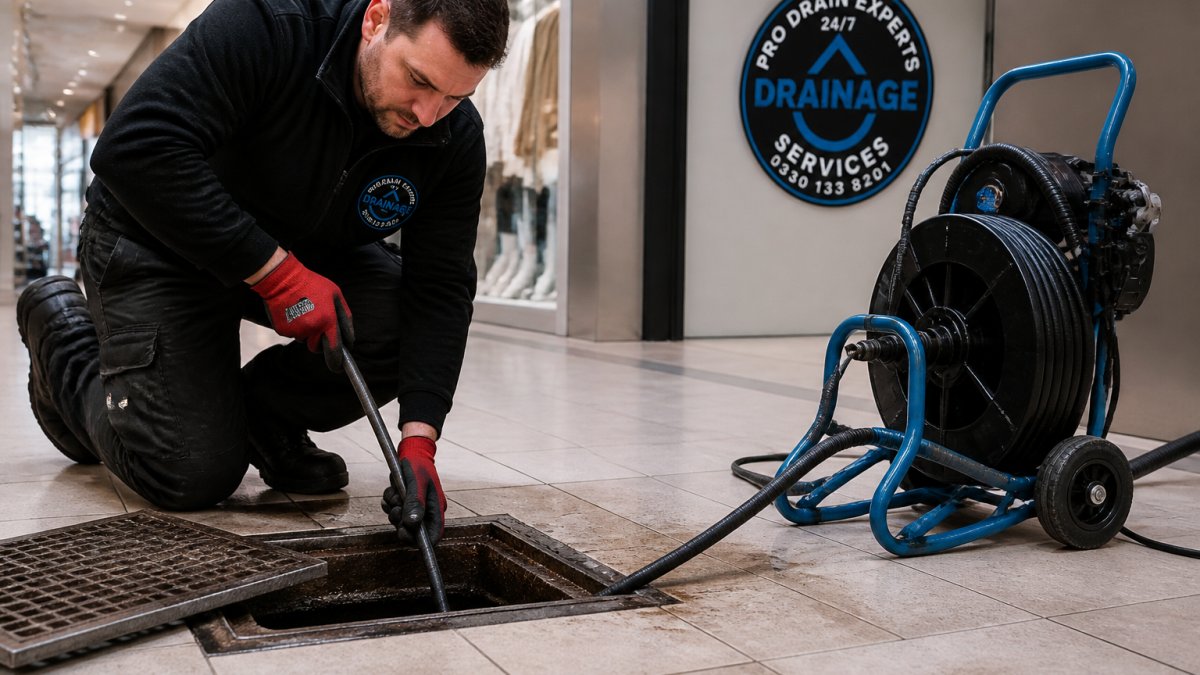
At Pro Drain Experts, we've seen firsthand how poor drainage systems create cascading problems for retail operations. A blocked commercial sink disrupts food service. A flooded stockroom damages inventory. A malfunctioning toilet forces customer areas to close. These aren't minor inconveniences, they're business interruptions that compound quickly.
The good news: most retail problems follow predictable patterns. Once you understand how to identify them, diagnose them, and fix them systematically, you'll spend less time firefighting and more time running your business smoothly.
Retail Problem-Solving Techniques That Work
The best retail problem-solving techniques share one thing in common: they move fast without skipping steps. Speed matters when a customer-facing issue is losing revenue. But rushing past diagnosis leads to temporary fixes that fail within weeks.
Start with the five-step framework:
- Define the problem clearly (what's broken, when did it start, who's affected)
- Gather data (how often does it happen, what triggers it, what's the cost)
- Identify possible causes (brainstorm with your team, don't assume)
- Test solutions on a small scale first (one store location, limited hours)
- Roll out the fix and monitor for recurrence
This approach sounds straightforward. Most teams skip steps 2 and 3, jumping straight to "solutions" that don't address the actual issue. A clogged drain in your Ringmer store might be caused by grease buildup, tree root intrusion, or structural damage. Treating it as just grease and using a plunger won't solve a root problem. You need diagnosis before action.
Real-world example: A retail chain experienced recurring toilet blockages across multiple locations. The initial response was to call a plumber repeatedly. After months of recurring issues, they brought in Pro Drain Experts for a CCTV survey. The survey revealed damaged pipes, not just blockages. The root cause was structural, not operational. Once the pipes were repaired, the blockages stopped.
Root Cause Analysis in Retail Operations
Root cause analysis in retail means digging deeper than the obvious symptom. When a problem surfaces, your first instinct is often to fix it immediately. That's understandable. But temporary fixes create permanent frustration.
Root cause analysis follows a simple pattern. Ask "why" five times:
- Why did the drain block? Because grease accumulated.
- Why did grease accumulate? Because staff weren't disposing of it properly.
- Why weren't they disposing of it properly? Because they didn't know the procedure.
- Why didn't they know? Because training wasn't documented.
- Why wasn't training documented? Because no system existed to enforce it.
The real problem wasn't grease. It was lack of documented process. Clearing the drain fixes today's blockage. Documenting the disposal procedure prevents future ones.
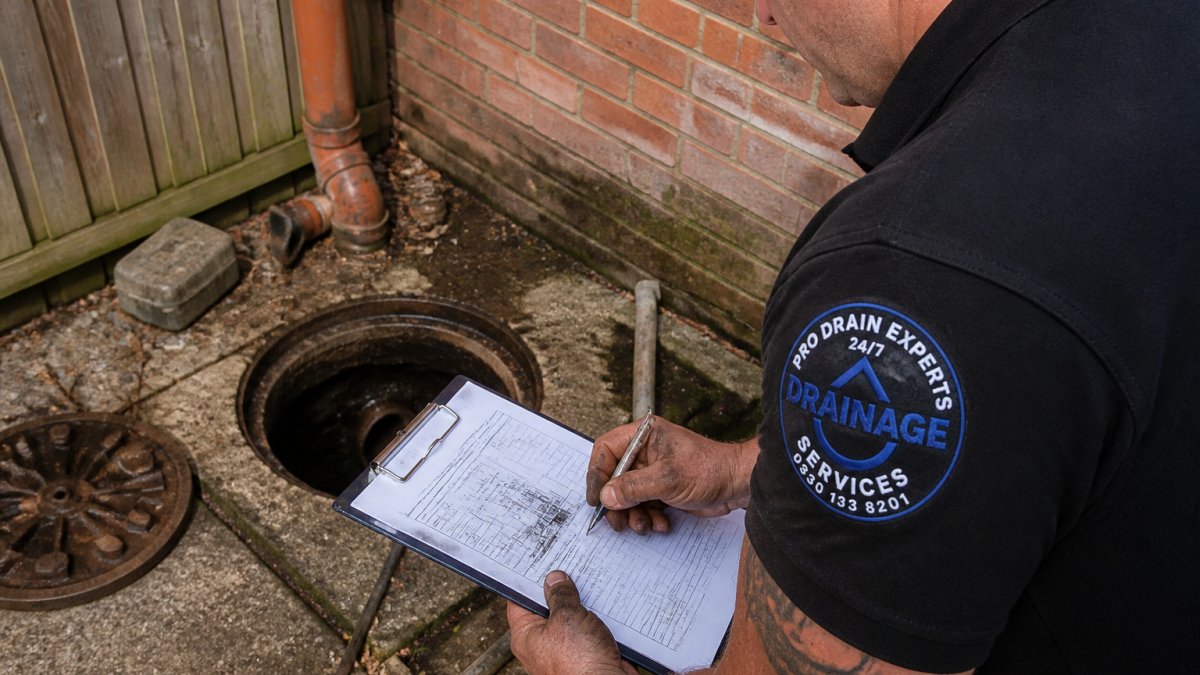
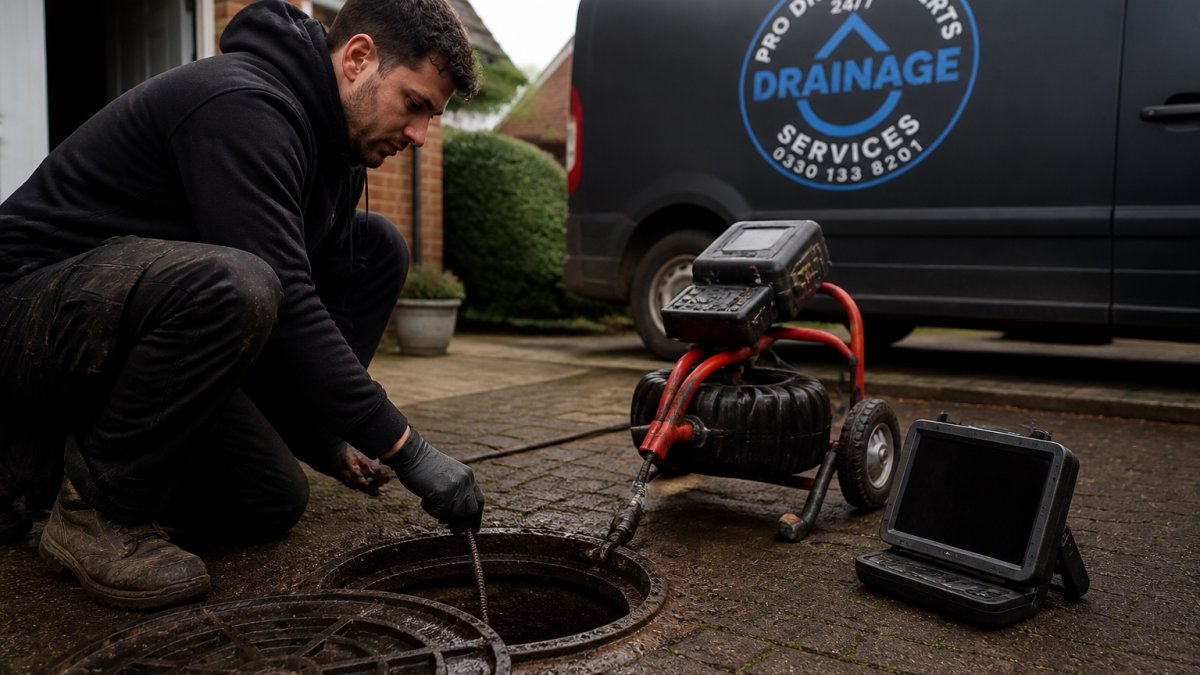
For drainage issues specifically, root cause analysis often requires professional inspection. A CCTV drain survey shows exactly where problems live, collapsed sections, root intrusion, scale buildup, or structural cracks. You can't solve what you can't see. This is why teams in Ringmer and across the region increasingly use video inspection as part of their diagnostic toolkit.
Research on supply chain resilience strategies highlights how warehousing managers use systematic diagnosis to mitigate disruptions. The same principle applies to retail operations: understand the cause, then design the fix.
Managing Retail Supply Chain Disruption
Retail supply chain disruption management has become critical. According to 2026 data, 70% of retailers now identify fraudulent shipping and logistics issues as growing concerns. Supply chain breaks create empty shelves, missed sales, and angry customers.
Common supply chain disruptions in retail:
- Supplier delays (late shipments, partial orders)
- Transportation issues (damaged goods, lost packages)
- Warehouse problems (inventory misplaced, stock miscounted)
- Last-mile delivery failures (wrong location, damaged on arrival)
- Demand forecasting errors (over-stock or stock-outs)
The fix starts with visibility. Real-time data and analytics help you spot disruptions early. Retail supply chain management guidance emphasizes real-time inventory visibility as a core tool for improving forecasting and response times.
Multi-sourcing reduces risk. Don't rely on a single supplier for critical items. When one supplier fails, you have backup. Stockpiling key inventory creates a buffer. For retail chains, maintaining 2-3 weeks of safety stock for high-turnover items protects against most disruptions.
For commercial operations in Ringmer and surrounding areas, drainage maintenance is part of supply chain resilience. A blocked drain in your stockroom disrupts inventory management. A flooded storage area damages goods. Preventative maintenance, regular CCTV surveys and high-pressure water jetting, keeps your infrastructure working.
Using Retail Performance Metrics to Spot Problems Early
Retail performance metrics tell you where problems are hiding before they become crises. Most retail chains track sales, inventory, and labor costs. Few track operational health metrics that predict failures.
Key metrics to monitor:
- Customer complaints per store per week (rising trend = systemic issue)
- Unplanned downtime hours (facility closures, equipment failures)
- Inventory accuracy rate (variance between system and physical count)
- Staff turnover in specific departments (high turnover signals poor processes)
- Supplier on-time delivery rate (below 95% = disruption risk)
- Equipment repair frequency (increasing repairs = aging infrastructure)
Set baseline targets for each metric. When a store or location falls below baseline, investigate. A retail location with 3x the average complaint rate isn't just having bad luck, something in operations is broken.
For facility managers, drainage metrics matter too. Track blockage incidents, repair frequency, and response times. A location with recurring drain issues needs professional diagnosis, not repeated plunger fixes. This data justifies investment in preventative maintenance.
Track these operational metrics to identify problems before they become crises.
| Metric | What to Monitor | Warning Sign |
|---|---|---|
| Customer complaints | Per store per week | Rising trend indicates systemic issue |
| Unplanned downtime | Facility closures and equipment failures | Increasing hours signal infrastructure problems |
| Inventory accuracy | Variance between system and physical count | Below baseline suggests process breakdown |
| Staff turnover | Rate in specific departments | High turnover signals poor processes |
| Supplier on-time delivery | Percentage of on-time shipments | Below 95% indicates disruption risk |
| Equipment repair frequency | Number of repairs over time | Increasing repairs mean aging infrastructure |
Building a Problem-Solving Culture in Your Store
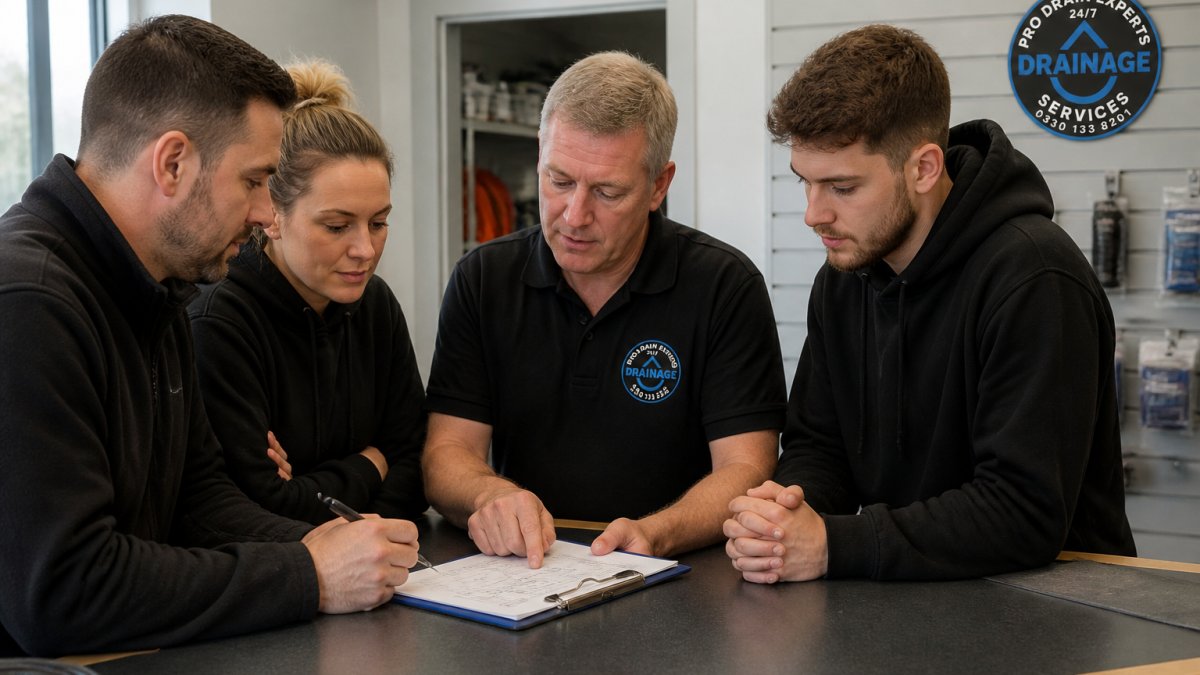
Building a problem-solving culture in retail means training staff to spot issues early and report them without fear of blame. Most problems start small. A minor drain slowdown becomes a major blockage. A small scheduling gap becomes a coverage crisis. Early detection prevents escalation.
Create a simple reporting system:
- Staff log issues in a shared system (physical form or app)
- Issues are reviewed daily by a manager
- Patterns are identified weekly
- Root causes are assigned to specific team members for investigation
- Fixes are tested and documented
Help your team to suggest solutions. Front-line staff see problems first. They often know what fixes would work. When they feel heard, they stay engaged. When their suggestions are ignored, they stop reporting issues.
For commercial teams, this includes maintenance staff. Your kitchen team knows when drains are slowing down. Your stockroom staff notice water pooling. A culture where these observations trigger professional inspection, not dismissal, prevents emergency closures.
Common Mistakes That Slow Down Problem Resolution
Most retail chains make the same mistakes repeatedly. Recognizing them saves weeks of frustration.
Mistake 1: Treating symptoms instead of causes. A drain blockage is a symptom. The cause might be grease disposal, structural damage, or root intrusion. Fix the symptom, the problem returns. Fix the cause, it stays fixed.
Mistake 2: Skipping documentation. You solve a problem, life moves on. Six months later, the same issue hits a different store. Your team has to re-solve it from scratch. Document every fix: what failed, why it failed, how you fixed it, what prevents recurrence.
Mistake 3: Acting in isolation. A problem in one store location often exists in others too. You fix store A, but stores B and C still suffer. Investigate whether the issue is systemic before declaring victory.
Mistake 4: Ignoring early warning signs. A drain that's slightly slow isn't urgent. Until it's completely blocked and you're closed for hours. Early intervention, a CCTV survey, preventative jetting, costs a fraction of emergency repairs.
Mistake 5: Choosing speed over thoroughness. Emergency fixes feel productive. But they often fail within days. Taking time to diagnose properly costs more upfront but saves money long-term.
Creating Systems to Prevent Recurring Issues
The goal of problem-solving isn't to become a better firefighter. It's to stop fires from starting. Effective and efficient problem solving for retail chain management means building systems that prevent problems from recurring.
Preventative maintenance schedules are the foundation:
- Quarterly CCTV drain surveys for commercial kitchens
- Annual facility inspections (electrical, plumbing, structural)
- Monthly equipment checks (HVAC, refrigeration, point-of-sale systems)
- Weekly staff briefings on operational procedures
- Monthly data reviews (metrics, complaints, incidents)
Documentation is essential. Create procedures for every critical process. How should staff dispose of grease? What's the protocol for reporting a slow drain? What triggers an emergency call-out? When procedures are written, consistent, and trained, problems decrease dramatically.
Redundancy protects against single-point failures. Don't rely on one person knowing how to fix the main issue. Cross-train staff. Maintain backup suppliers. Have emergency contact numbers for critical services like drainage specialists.
Get Professional Support for Your Retail Operations
Some problems require professional expertise. Drainage issues are a perfect example. A slow drain might be fixable with a plunger. A recurring blockage needs diagnosis. Structural damage needs repair. These require equipment and expertise most retail teams don't have.
Pro Drain Experts provides 24/7 emergency support across Ringmer and the surrounding region. When a commercial kitchen drain fails during service hours, you need a rapid response. Our same-day response promise means your team gets back to business quickly.
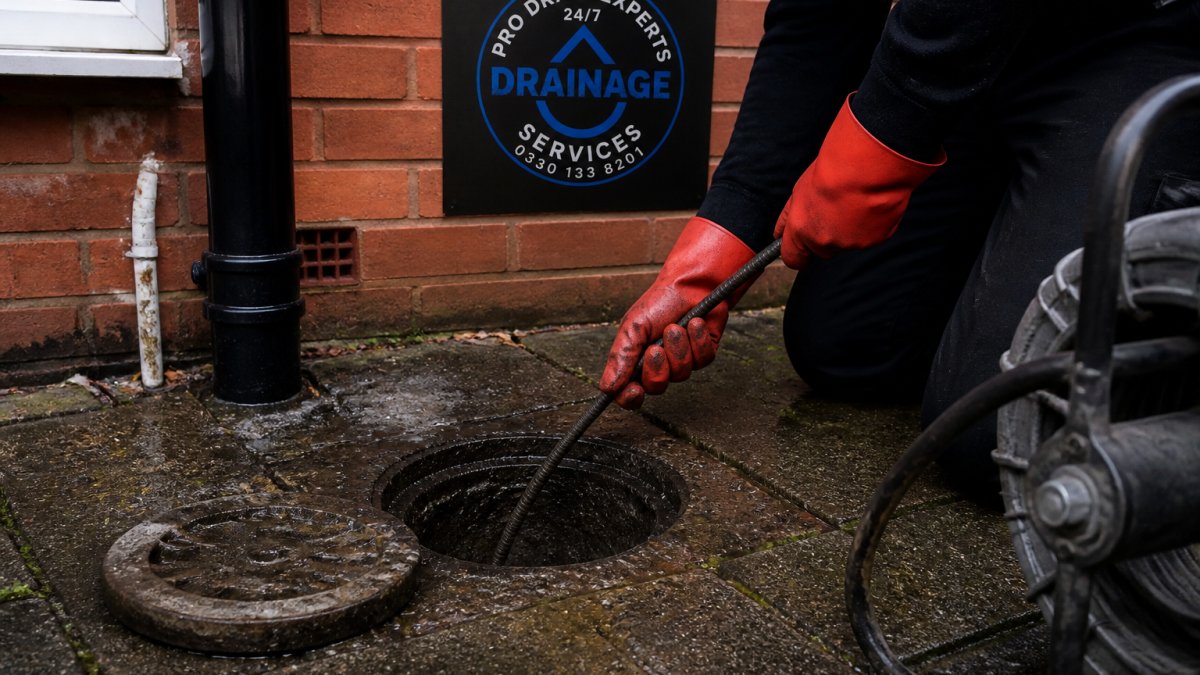
For retail chains, we offer preventative CCTV surveys that identify problems before they disrupt operations. High-pressure water jetting clears blockages without damaging pipes. Detailed reports show exactly what's happening in your drainage system, so you can make informed decisions about repairs.
The 20 years we've spent solving drainage problems has taught us one thing: the best fix is prevention. Regular maintenance prevents emergencies. Early diagnosis prevents costly repairs. Professional support prevents guesswork.
When you're ready to stop treating drainage as a crisis and start treating it as a managed system, contact Pro Drain Experts for a consultation. We'll assess your current situation, identify risks, and create a preventative maintenance plan that keeps your retail operations running smoothly.
Frequently Asked Questions
How can retail managers solve operational problems effectively?
Effective retail problem-solving starts with gathering data: identify what happened, when it happened, and which teams were affected. Use structured techniques like the 5 Why method to trace issues to their root cause rather than treating symptoms. Document each step, involve the people closest to the problem, and set a timeline for resolution. Track whether the fix actually works by monitoring relevant metrics over the following weeks.
What problem-solving methods work best for retail teams?
The most reliable methods combine immediate action with systematic investigation. For urgent issues like blocked facilities or supply delays, take action first to restore operations, then analyse what caused the failure. Use root cause analysis to prevent recurrence, involve staff who experienced the problem directly, and create a written record of the solution. Regular team huddles where staff can flag emerging issues early catch problems before they escalate.
How can retailers identify the root cause of recurring problems?
Recurring problems signal that you are treating the symptom, not the cause. Track each occurrence: date, time, circumstances, and who was involved. Look for patterns, does it happen during busy periods, with specific staff, or after particular deliveries? Document the sequence of events leading up to the issue. If a problem repeats within three months of your first fix, your solution was incomplete. Dig deeper by asking frontline staff what they think is really happening.
How can retail chains prevent the same problems from happening again?
Prevention requires three steps: first, document the root cause in writing so new staff can understand it; second, create a checklist or process change that removes the condition that caused the problem; third, train your team on the new process and verify they follow it during the first two weeks. Schedule monthly reviews of problems you have fixed to confirm they have not returned. If a problem does recur, adjust your prevention system, your first attempt was not robust enough.
Retail operations depend on systems working reliably. Drainage failures disrupt that reliability. Whether you're managing a single location in Ringmer or a chain across multiple regions, professional drainage support ensures your infrastructure stays healthy. Pro Drain Experts combines rapid emergency response with preventative maintenance expertise to keep your operations efficient. Call today for a same-day assessment and transparent quote.