 how-to
When Is a Drainage Strategy Report Required
Last Updated: October 25, 2026
Quick Summary
A drainage strategy report required is a planning document that outlines how surface water and foul drainage will be managed for a property development or significant alteration. Most new developments require one, including new houses, commercial buildings, and significant extensions, though the threshold varies by local authority and project type.
- Extensions adding 25 square metres or more of hard surface often trigger the requirement for a drainage strategy report
- CCTV drain surveys reveal existing pipe condition and capacity before designing new drainage systems
- Drainage strategy reports must include site plans, surface water management, foul drainage details, and flood risk assessment where applicable
- Consulting your local planning authority early clarifies specific requirements and prevents costly redesigns after rejection
- Common mistakes include not surveying existing drains, underestimating surface water runoff, and failing to account for climate change impacts
Table of Contents
- When a Drainage Strategy Report Is Required
- Drainage Strategy Report Requirements for Planning Applications
- Drainage Strategy Report for a House Extension
- How CCTV Drain Survey Reports Support Your Strategy
- Key Components Your Drainage Strategy Must Cover
- Understanding Drainage Strategy Report Cost and Timeline
- Common Mistakes That Delay Planning Approval
- How to Submit Your Drainage Strategy With Confidence
- Frequently Asked Questions
When a Drainage Strategy Report Is Required
A drainage strategy report required is a planning document that outlines how surface water and foul drainage will be managed for a property development or significant alteration. We help property owners and developers understand when local authorities in Ringmer and across East Sussex, West Sussex, and Kent demand this report before granting planning permission.
The requirement depends on several factors: the type of project, its size, the existing drainage infrastructure, and local flood risk. Not every project needs one. A small garden shed extension may not. A new house, a commercial building, or a major extension almost certainly will.
Planning authorities use drainage strategy reports to assess whether your project will worsen flooding, overwhelm existing sewers, or damage the environment. They protect both your property and your neighbours' properties from drainage problems that could emerge years after construction.
Drainage Strategy Report Requirements for Planning Applications
Most new developments require a drainage strategy report as part of the planning application. This includes new houses, commercial buildings, industrial facilities, and significant extensions.
The threshold varies by local authority. Some require the report for any development over 100 square metres. Others ask for it on smaller projects if the site is in a flood risk zone or connected to a struggling sewer system.
Extensions and alterations that increase impermeable surface area (roofs, patios, driveways) often trigger the requirement. If you're adding 25 square metres or more of hard surface, expect to need one.
Material changes of use also matter. Converting a garage into a residential flat, or a shop into a restaurant, can require a drainage strategy report because the water demand or waste profile changes significantly.
The best approach is to contact your local planning authority in Ringmer before commissioning any design work. They'll confirm whether a drainage strategy report required for your specific project. This saves time and money later.
| Project Type | Likely Requirement | Why |
|---|---|---|
| New house | Yes | Significant new drainage demand |
| Garage conversion | Often | Change of use increases water/waste |
| Garden extension | Rarely | Minimal impact if permeable surfaces used |
| New commercial building | Yes | Higher water and waste volumes |
| Driveway extension | Sometimes | Depends on surface area and runoff |
Drainage Strategy Report for a House Extension
House extensions are one of the most common triggers for a drainage strategy report required. The reason is straightforward: you're adding floor area, which means more bathrooms, kitchens, or laundry facilities that generate foul drainage.
For a single-storey rear extension under 30 square metres, many local authorities won't insist on a full drainage strategy report. But if you're adding a second storey, or if your extension exceeds 50 square metres, the likelihood increases sharply.
The drainage strategy report for a house extension typically covers:
- How foul drainage (toilets, sinks, showers) will connect to the public sewer or septic tank
- Whether the existing system has capacity to handle the additional load
- How surface water runoff from new roofs and patios will be managed
- Whether sustainable drainage systems (SuDS) can be incorporated
If your property is in a flood risk area near Ringmer or elsewhere in the region, the authority will scrutinise your drainage strategy report more closely. They want evidence that your extension won't increase surface water flooding on neighbouring land.
Many homeowners assume their existing drain can handle a bit more water. Sometimes it can. Often it can't. A drainage strategy report required before building prevents costly mistakes.
How CCTV Drain Survey Reports Support Your Strategy
A CCTV drain survey is the most reliable way to assess the current condition and capacity of your existing drainage system. Before submitting a drainage strategy report required for planning, you need to know what you're working with.
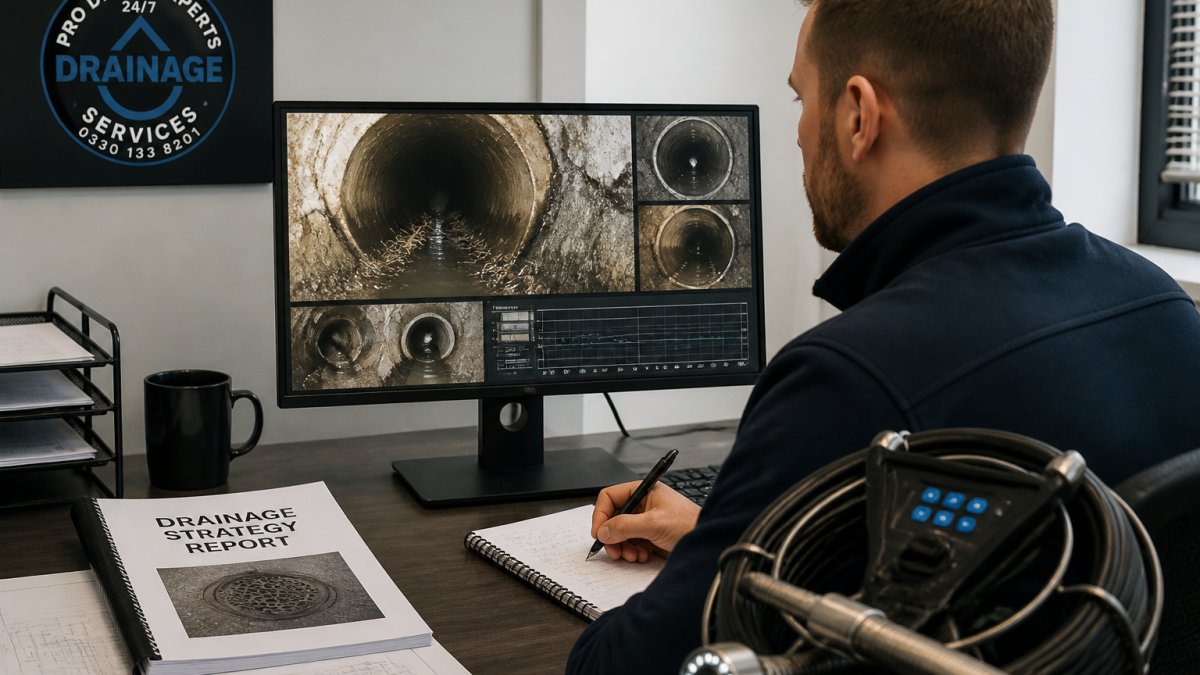
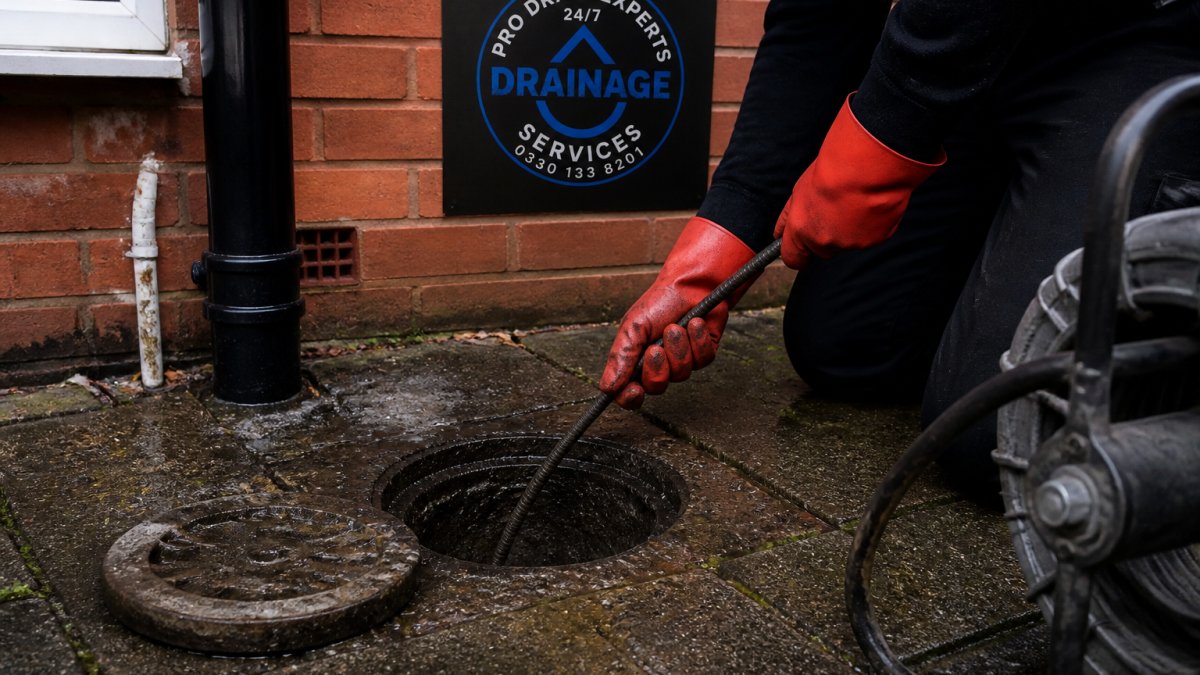
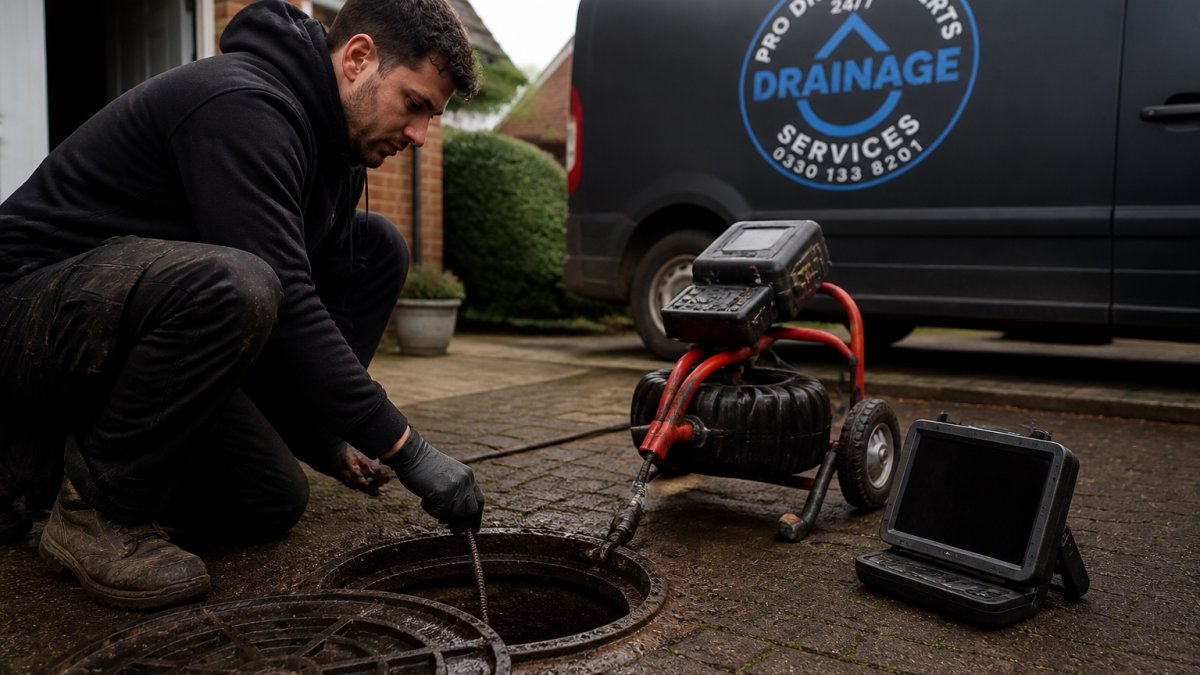
CCTV surveys use high-resolution cameras to inspect the interior of pipes without excavation. The camera travels through your drains and records everything: blockages, cracks, tree root intrusion, misaligned joints, and structural damage.
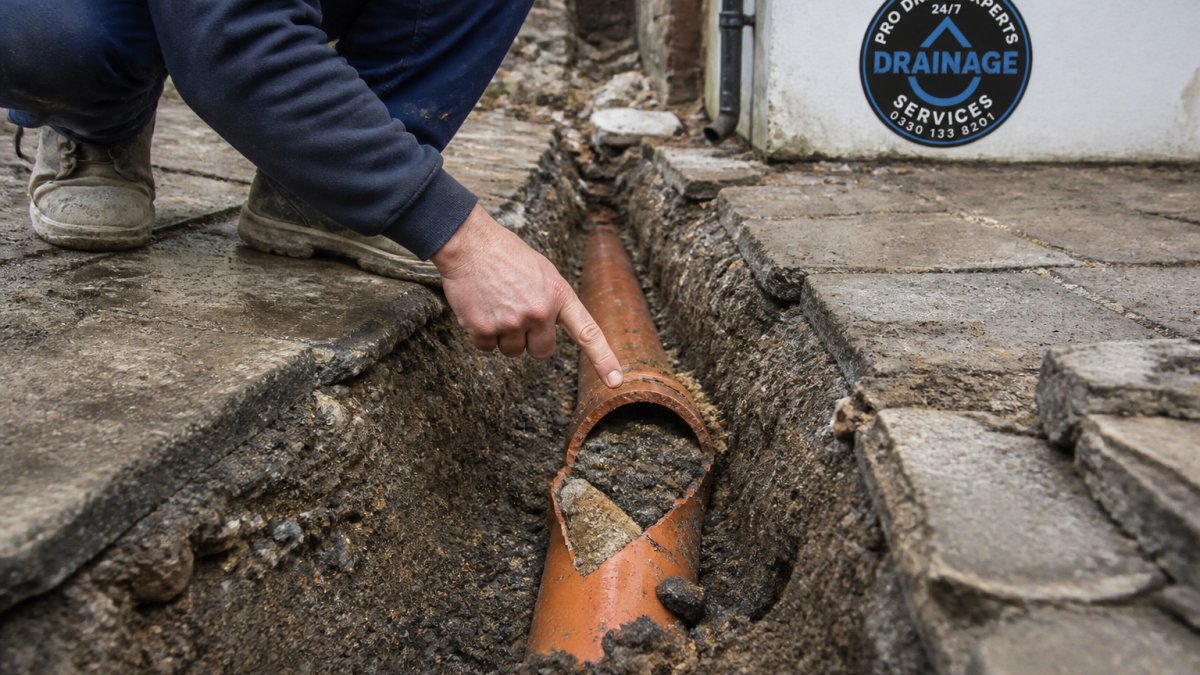
This information is critical for your drainage strategy report. If your existing drain is already compromised, the planning authority needs to know before approving your extension. A damaged drain can't reliably handle additional flow.
CCTV footage also reveals the actual pipe diameter, material, and depth. These details go directly into your drainage strategy report. Without them, engineers are guessing, and planning officers know it.
You can book a drain inspection to get a CCTV survey done before starting your drainage design. The report will show exactly what you're working with.
Key Components Your Drainage Strategy Must Cover
A drainage strategy report required by planning authorities must include specific elements. Missing any of them delays approval or triggers a request for further information.
The report should identify the site location, the proposed development, and the existing drainage infrastructure. It needs site plans showing where new pipes will run and how they connect to public sewers or treatment systems.
Surface water management is crucial. The report must demonstrate how rainfall runoff will be handled. Sustainable drainage systems (SuDS) are increasingly expected. These include permeable paving, rain gardens, and retention ponds that slow water flow and reduce flooding risk.
Foul drainage details follow. The report shows how toilets, sinks, and other waste will be treated and discharged. If a public sewer is available, the report confirms capacity and connection points. If not, it proposes an alternative like a septic tank or treatment plant.
Flood risk assessment is often part of the drainage strategy report. If your site is in a flood zone, the report must show how your development won't worsen conditions upstream or downstream.
Understanding Drainage Strategy Report Cost and Timeline
The cost of a drainage strategy report required varies based on project complexity. A simple extension might require a basic report costing less. A large development with complex flood risk considerations costs significantly more.
Several factors affect pricing:
- Site size and complexity
- Whether a CCTV survey is needed first
- Flood risk zone classification
- Distance to public sewers
- Whether SuDS design is required
Timeline also varies. A straightforward drainage strategy report required for a small extension might take 2-3 weeks. Complex projects can take 6-8 weeks or longer.
Many developers budget for a CCTV drain survey before the drainage design begins. This adds time upfront but prevents expensive redesigns later. Learn about CCTV drain survey costs to understand the full investment needed for your project.
Pro Drain Experts can arrange a CCTV survey. Starting with accurate drain data saves time and money throughout the planning process.
Common Mistakes That Delay Planning Approval
Submitting an incomplete or poorly researched drainage strategy report required is the fastest way to get a planning refusal or a request for further information.
The most common mistake is not surveying existing drains before designing new ones. Engineers then assume capacity that doesn't exist, and the authority rejects the report. A CCTV survey costs far less than redesigning after rejection.
Another frequent error is underestimating surface water runoff. Many drainage strategies assume existing ground will absorb rainfall, but compacted soil or clay doesn't. The authority then asks for SuDS design, delaying approval.
Failing to account for climate change is increasingly costly. Authorities now expect drainage strategies to handle rainfall intensity increases (Technical Flood Risk Guidance in relation to Allowances for Climate Change in Northern...). A drainage strategy report required today must assume heavier downpours than historical data suggests.
Not consulting the local authority early is a major oversight. Different councils have different standards. What passes in one area might fail in another. Speaking to your planning officer before design work starts clarifies expectations.
Ignoring neighbouring properties causes problems too. A drainage strategy report required must show you're not diverting water onto adjacent land or overloading shared sewers. Neighbours can object if they feel threatened, which delays approval.
How to Submit Your Drainage Strategy With Confidence
Submitting a drainage strategy report required with your planning application means following a clear process. Start by gathering site information: existing surveys, utility records, and flood risk data.
Next, commission a CCTV drain survey if one doesn't exist. This reveals the true condition and capacity of your existing drainage.
Then work with a drainage engineer or surveyor to prepare the report. They'll incorporate CCTV findings, site conditions, and local authority standards into a comprehensive document.
Before submission, review the planning authority's guidance. Many councils publish specific requirements for drainage strategies. Meeting these requirements first-time prevents delays.
Check that your report includes all mandatory sections: site plans, surface water strategy, foul drainage details, flood risk assessment (if applicable), and SuDS proposals where required.
We provide CCTV surveys to help with drainage strategies.
Getting your drainage strategy report required and approved doesn't have to be complicated. The key is starting with accurate information about your existing drains, understanding your local authority's specific requirements, and working with professionals who know the regulations in Ringmer and your region. Pro Drain Experts offers CCTV drain surveys that provide the detailed data engineers need to design effective drainage strategies, helping you move through planning approval faster and with fewer delays.
Frequently Asked Questions
When is a drainage strategy report required for a planning application?
A drainage strategy report is typically required for new developments, material changes of use, and extensions that affect drainage capacity or surface water management. Most local planning authorities now expect one for any proposal that impacts foul or surface water drainage. The exact trigger depends on your local authority's requirements and the scale of your project. Contact your planning department early to confirm whether your specific proposal requires one.
Is a drainage strategy report required for a house extension?
It depends on the extension's size and impact. Larger extensions that add significant impermeable surface area or alter drainage routes often need a drainage strategy report. Smaller single-storey extensions may not require one if they don't materially affect existing drainage. Your local planning authority will clarify this during pre-application consultation. A CCTV drain survey can help assess your existing system's capacity before you commit to a formal strategy.
What is the difference between a CCTV drain survey report and a drainage strategy report?
A CCTV drain survey report documents the physical condition, defects, and capacity of your existing drainage pipes through video inspection. A drainage strategy report is a planning document that explains how foul and surface water will be managed for your proposed development. The CCTV survey provides essential evidence for the drainage strategy by confirming what infrastructure already exists and whether it can handle additional flows from your project.
What should a drainage strategy report cost, and how long does it take?
Drainage strategy report costs vary based on site complexity, existing drainage information, and whether a CCTV survey is needed. Timescale typically ranges from 2 to 4 weeks. Pro Drain Experts can provide a detailed quote after reviewing your project brief and site conditions. We recommend starting the process early so any required surveys or revisions don't delay your planning submission.