 how-to
What Happens If a Main Drain Pipe Breaks: A Homeowner's Guide
Table of Contents
- What Happens If a Main Drain Pipe Breaks: Immediate Consequences
- Signs of a Broken Drain Pipe You Shouldn't Ignore
- Long-Term Damage to Your Property From a Broken Main Drain
- Who Is Responsible for Drain Repairs: Your Rights and Obligations
- Immediate Action Steps When You Suspect a Broken Drain
- How a CCTV Drain Survey Identifies the Damage
- Broken Underground Drain Pipe Repair: What to Expect
- Preventing Future Main Drain Pipe Breaks
- Frequently Asked Questions
Last Updated: October 21, 2026
What Happens If a Main Drain Pipe Breaks: Immediate Consequences
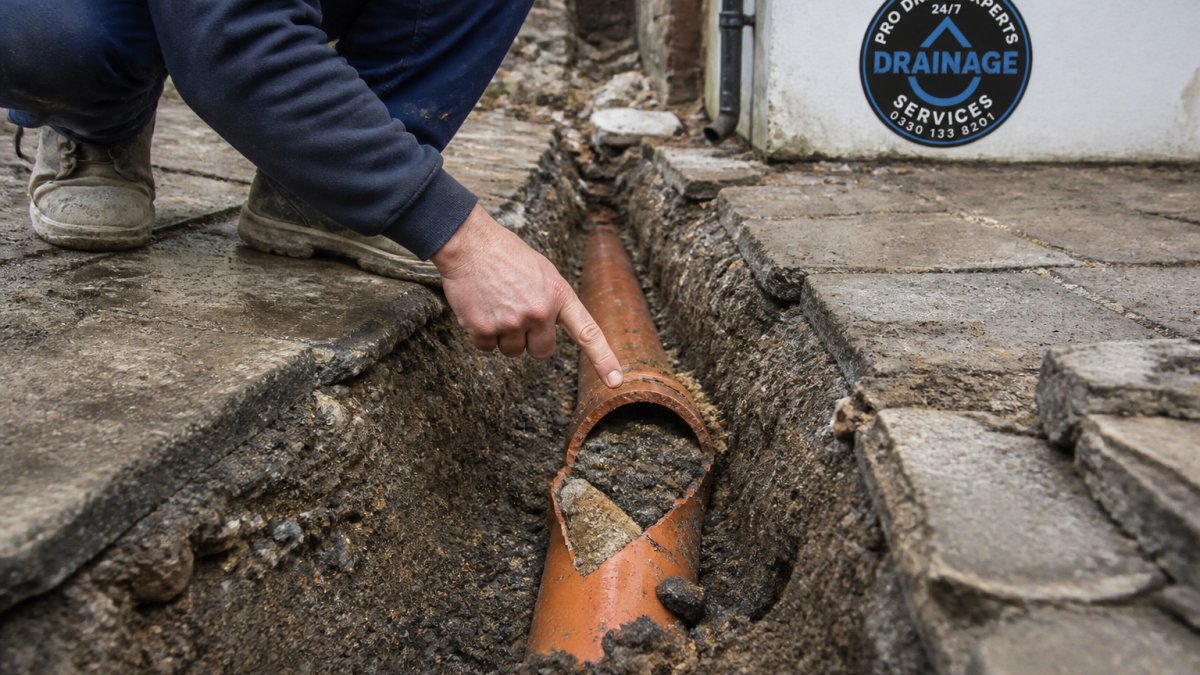
A broken main drain pipe is one of the most serious problems a homeowner can face. When your main drain pipe breaks, sewage backs up into your home, foundations crack, and soil collapses beneath your property. The damage happens fast and spreads quickly if you don't act.
Here's what you need to know: the main drain pipe carries all wastewater from your home to the public sewer system. When it breaks, that flow stops. Sewage pools underground, creating a health hazard and structural risk that grows worse every day you wait.
At Pro Drain Experts, we respond to broken main drain emergencies across Ringmer and the surrounding region. The first 24 to 48 hours are critical.
The immediate consequences are severe:
- Sewage backs up into your toilets, sinks, and showers
- Foul odours spread through your home and garden
- Wet patches appear on your lawn or driveway
- Soil subsidence creates sinkholes near your property
- Rats and insects are attracted to the exposed sewage
Your home's foundation can shift within days. Cracks appear in walls and floors. If you have a basement, it floods with contaminated water. The cost to repair a collapsed foundation runs into tens of thousands of pounds, far more than fixing the pipe itself if caught early.
Signs of a Broken Drain Pipe You Shouldn't Ignore
Recognising the early warning signs of a broken drain pipe saves you money and protects your home. Most homeowners miss these signals until the problem becomes an emergency.
Multiple drains backing up at once is the clearest sign. If your toilet, shower, and kitchen sink all drain slowly or back up together, the blockage is in your main drain, not a single fixture. This points to a break or serious collapse in the underground pipe.
Persistent foul smells around your property mean sewage is leaking into the soil. You might notice the odour near your garden, driveway, or around the house perimeter. This smell doesn't go away on its own, it gets worse.
Soggy patches in your garden indicate sewage pooling underground. The grass stays wet even after dry weather. The soil feels spongy underfoot. This is raw sewage saturating the ground around your broken drain pipe.
Cracks in your walls or floors suggest foundation movement caused by soil collapse. When a main drain pipe breaks, the surrounding soil loses support. Your house shifts slightly, creating cracks that spread over weeks.
Rodent and insect activity increases dramatically. Rats and cockroaches are drawn to sewage. If you suddenly see more pests around your home, check for a broken drain.
Unusually green patches in your lawn may seem positive, but they're not. The sewage acts as fertiliser. Lush green growth in one area while the rest of your garden looks normal is a red flag.
Don't wait for all these signs to appear together. One or two of them warrant an immediate call to a drainage professional. Early detection prevents catastrophic damage.
Long-Term Damage to Your Property From a Broken Main Drain
Ignoring a broken main drain pipe leads to expensive structural damage that can take years to fully repair.
Foundation damage is the most serious long-term consequence. When sewage leaks from a broken pipe, it saturates the soil around your foundations. The soil loses its ability to support weight. Your house foundation settles unevenly. Cracks start small, hairline fractures in plaster, and grow into structural cracks that compromise the integrity of your home.
Soil subsidence and sinkholes create visible depressions in your garden or driveway. The ground literally collapses as the pipe breaks further and soil washes away. Sinkholes can swallow a section of your patio or garden. Repairing a sinkhole means excavating the entire area, fixing the pipe, and reinstating the ground, a job costing several thousand pounds.
Contamination of your property and neighbours' land spreads disease and creates legal liability. Raw sewage in the soil poses serious health risks. If contamination reaches a neighbour's property, you may be liable for their remediation costs.
Damage to tree roots and landscaping occurs as roots are attracted to the leaking sewage. Roots grow into the broken pipe, worsening the blockage. They also destabilise soil around your property, accelerating subsidence.
Reduced property value is inevitable. When a survey reveals a broken main drain pipe, buyers either walk away or demand a significant price reduction. A property with known drainage issues is difficult to sell and attracts lower offers.
Increased insurance claims and complications arise because many policies exclude damage caused by neglected drainage maintenance. If your insurer discovers you ignored warning signs, they may deny your claim.
The longer you leave a broken main drain pipe unrepaired, the more these problems compound.
Who Is Responsible for Drain Repairs: Your Rights and Obligations
Understanding who pays for drain repairs depends on where the break occurs and the age of the pipe.
Your responsibility covers the section of drain pipe from your home to the public sewer connection point, typically the boundary of your property. This is your lateral drain. You own it, you maintain it, and you pay for repairs when it breaks.
The water company's responsibility begins at the public sewer main. If the break occurs in the public sewer after it leaves your property, the water company is responsible for repairs and pays the cost. However, proving where the break actually is requires a professional survey.
Shared drains complicate responsibility. If your drain is shared with a neighbour's property, both of you may be liable for repairs. The cost is typically split equally unless your legal documents specify otherwise.
Building insurance may cover sudden, accidental damage to your drain, but not gradual deterioration or wear. Check your policy carefully. Most standard policies exclude drain damage unless you've added specific coverage.
Drainage insurance is a separate product available from many insurers. It covers the cost of drain repairs, including excavation and reinstatement. If you don't have it, a single repair can cost thousands of pounds out of pocket.
Local authority sewers are the responsibility of your water company. If you suspect the public sewer is blocked or damaged, contact your water company immediately. They have a legal obligation to maintain public sewers.
When a main drain pipe breaks near your property boundary, disputes can arise about who pays. This is where a CCTV drain survey becomes invaluable, it pinpoints the exact location of the break and clarifies responsibility.
Immediate Action Steps When You Suspect a Broken Drain
The first hours after you suspect a broken main drain pipe are critical. These steps protect your health, your home, and your wallet.
Step 1: Stop using water immediately. Don't run taps, flush toilets, or use showers. Every drop of water adds to the sewage backing up into your home. If you must use water, use it sparingly.
Step 2: Call a drainage emergency service. Contact Pro Drain Experts or another qualified drainage company right away. We offer same-day response across Ringmer and the surrounding areas. Describe your symptoms, multiple drains backing up, foul smells, wet patches, so the team knows what to expect.
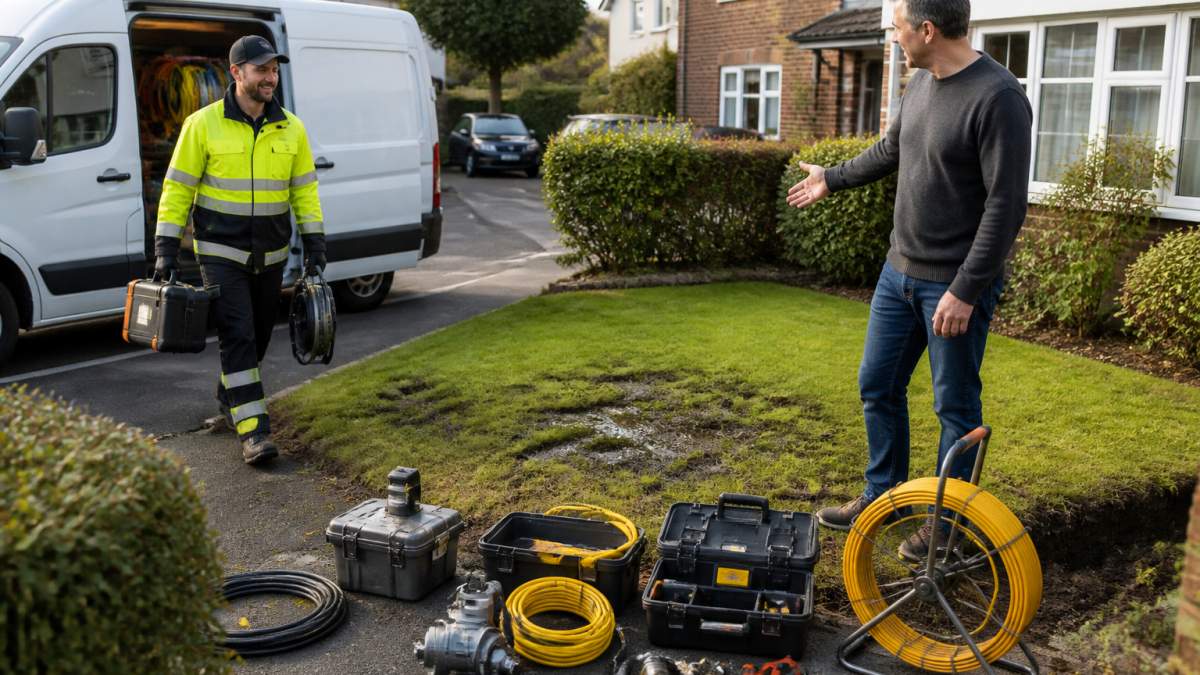
Step 3: Keep people and pets away from affected areas. Sewage contains harmful bacteria and viruses. Don't let children or pets play on wet patches in your garden or near visible pooling. If anyone has contact with sewage, wash thoroughly with soap and clean water.
Step 4: Document the damage. Take photos of wet patches, cracks, odours, and any visible signs. This documentation helps your drainage specialist understand the severity and supports insurance claims if needed.
Step 5: Locate your stopcock and water meter. Know where these are before you need them. Your stopcock lets you shut off water supply to the house if needed. Your water meter shows if water is flowing when no taps are open, a sign of a leak.
Step 6: Request a CCTV survey. Ask the drainage company to perform a CCTV inspection. This identifies the exact location and nature of the break, which determines the repair method and cost.
Step 7: Get a written quote before work begins. Pro Drain Experts provides up-front pricing with no hidden fees. Understand what the repair involves and what it costs before the team starts work.
Don't attempt DIY repairs on a main drain pipe. The pipe is deep underground, often under your driveway or patio. Digging in the wrong place causes more damage. Professional equipment and expertise are essential.
How a CCTV Drain Survey Identifies the Damage
A CCTV drain survey is the gold standard for diagnosing a broken main drain pipe. It shows exactly what's wrong and where.
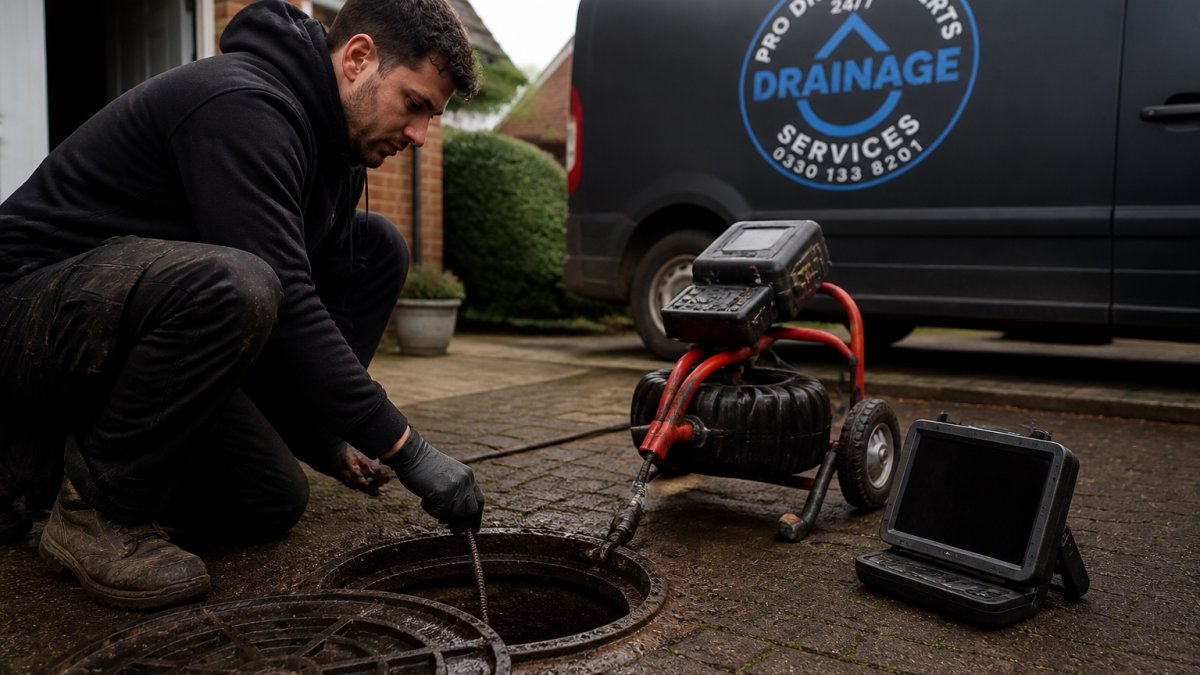
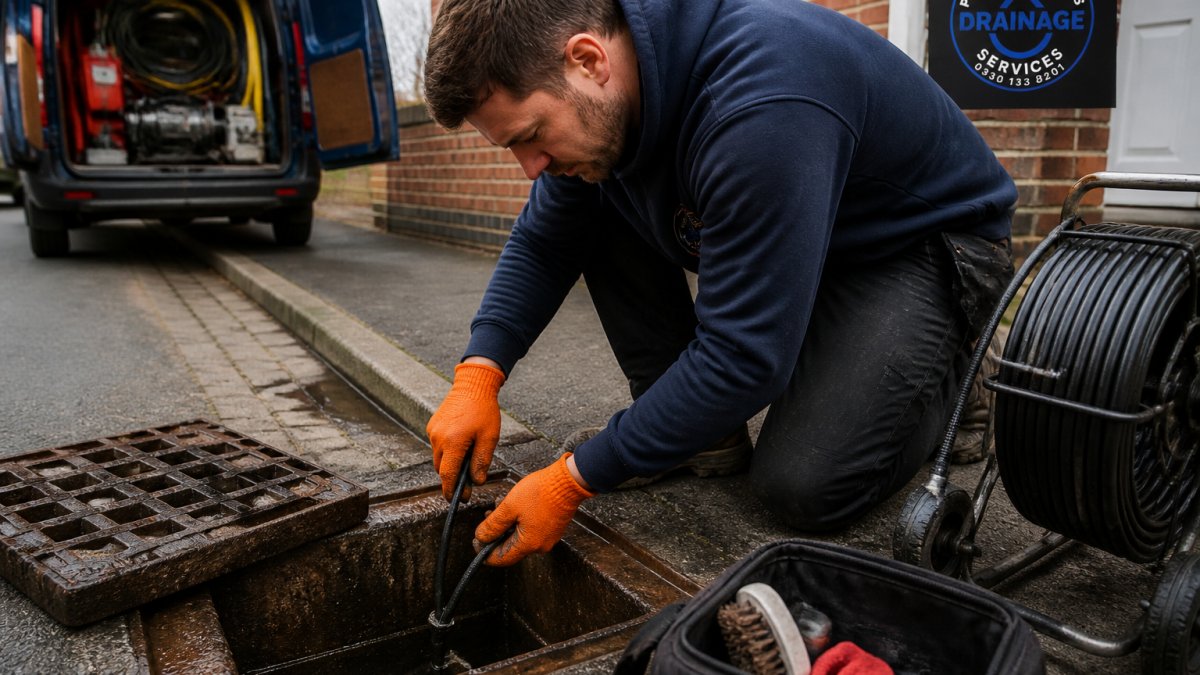
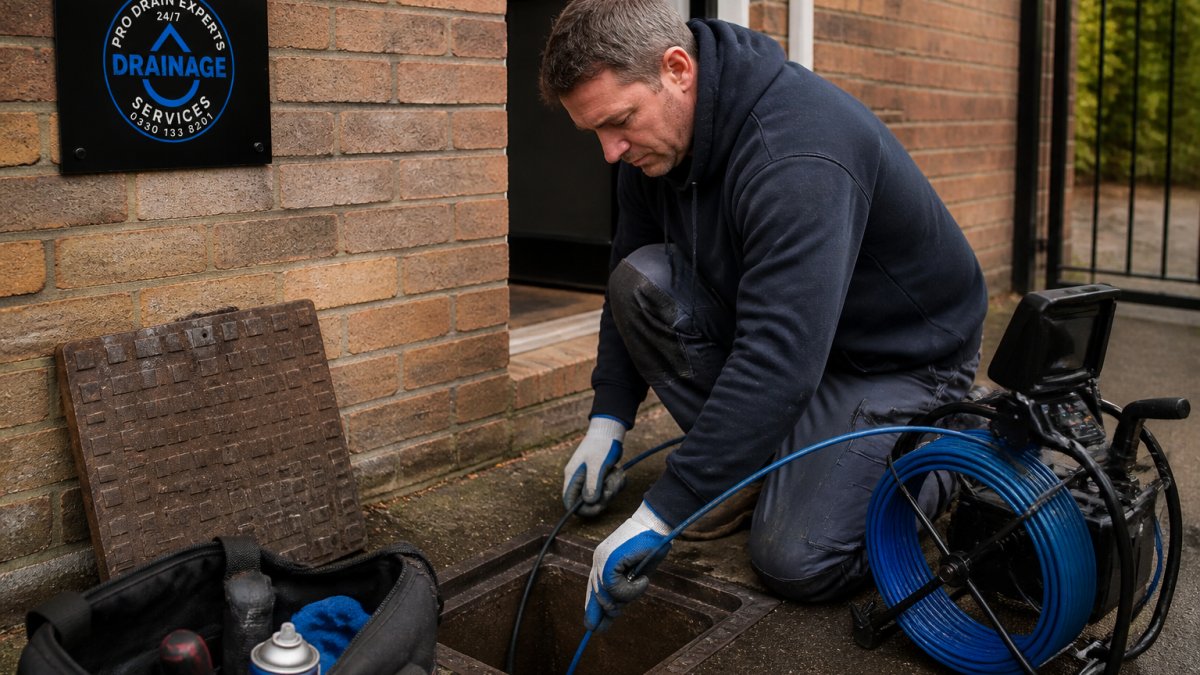
What the survey does: A small camera on a flexible rod is fed through your drain system. The camera transmits live video to a monitor, showing the interior of the pipe from your home to the public sewer connection. The technician watches for breaks, collapses, tree root intrusion, and blockages.
Why it's essential: Without a CCTV survey, a drainage company is guessing. They don't know if the pipe is broken, cracked, or just blocked. They don't know the depth or location. A survey removes the guesswork and reveals the true problem.
What the survey reveals:
- The exact location of the break or collapse
- The length of the damaged section
- Whether roots have invaded the pipe
- Whether the pipe is cracked or completely broken
- Whether there are multiple problem areas
- The pipe's age and material (clay, plastic, concrete)
The report you receive includes still images and video footage showing the damage. The drainage company marks the exact location on a map. This report is valuable for insurance claims and for getting a second opinion if you wish.
Cost and timing: A CCTV survey typically takes 1-2 hours. The cost varies depending on the length of pipe surveyed, but it's far cheaper than excavating the wrong area. Many drainage companies include a survey as part of their diagnostic process.
At Pro Drain Experts, we use the latest CCTV technology to give you a complete picture of your drainage system. The survey report guides the repair strategy and helps us provide an accurate quote.
Broken Underground Drain Pipe Repair: What to Expect
Once a CCTV survey confirms a broken main drain pipe, repair work begins. The method depends on the location, severity, and pipe material.
Excavation and replacement is the traditional repair method. The ground above the damaged pipe is dug up, the broken section is removed, and a new pipe is installed. This method works for pipes near the surface or in accessible areas like gardens.
The process involves:
- Marking the exact location of the break
- Digging a trench to expose the pipe
- Removing the damaged section
- Installing new pipe (usually plastic, which lasts 50+ years)
- Backfilling and reinstating the ground
This method is disruptive, your garden or driveway is excavated, but it's reliable and permanent. The repair takes 2-5 days depending on the pipe length and depth.
Trenchless repair (pipe relining) is used when excavation would damage paving, trees, or structures. A resin-coated liner is fed through the existing pipe and inflated, creating a new pipe inside the old one. This method avoids digging but costs more.
Spot repairs are possible for small cracks or localised damage. A resin patch is applied to seal the crack. This is a temporary solution and may not be suitable for severe breaks.
Cost factors:
- Depth of the pipe (deeper pipes cost more to excavate)
- Length of damaged section
- Whether the pipe runs under a driveway or patio
- Soil conditions (clay, rock, or sandy soil affects digging difficulty)
- Repair method chosen (excavation vs. trenchless)
The drainage company provides a detailed quote before work begins. Pro Drain Experts offers transparent pricing with no surprises. If complications arise during excavation, we inform you immediately and discuss options.
Timeline: Most repairs take 3-7 days from start to finish. Complex jobs or trenchless repairs may take longer. The company works around your schedule when possible, though emergency repairs may need to start immediately.
Preventing Future Main Drain Pipe Breaks
Maintenance is far cheaper than repair. These steps reduce the risk of a broken main drain pipe.
Have your drains surveyed every 5-10 years. A CCTV survey catches problems early, before they become emergencies. If you're in an older property with clay pipes, survey every 5 years. Newer plastic pipes can go longer between surveys.
Avoid flushing non-degradable items. Wet wipes, sanitary products, nappies, and cotton buds don't break down in sewers. They cause blockages that put pressure on your pipe, increasing the risk of breaks. Flush only toilet paper and human waste.
Don't pour grease down the sink. Grease solidifies in cold pipes, causing blockages. Let grease cool and solidify in a container, then throw it in the bin.
Keep tree roots away from your drain. Tree roots are attracted to moisture and can penetrate pipes, causing cracks and blockages. If large trees grow near your drain line, have them surveyed regularly. Consider removing or relocating trees that pose a risk.
Use drain guards and screens. These catch hair, food, and debris before they enter your pipes. Empty them regularly.
Know your pipe's age and material. Clay pipes installed before 1970 are prone to breaking. Concrete pipes from the 1970s-1990s can deteriorate. Plastic pipes installed after 2000 are more durable. If you have old pipes, prioritise maintenance and early surveys.
Address blockages immediately. A blocked drain puts pressure on your pipe. If your drains are slow or backing up, call a professional to clear them. Don't use harsh chemicals, they damage old pipes.
Maintain your garden properly. Avoid heavy vehicles driving over your drain line. Don't plant trees or shrubs directly above it. Keep the area accessible for future maintenance.
Invest in drainage insurance. Drainage insurance covers the cost of repairs, including excavation. This protects you from unexpected bills if a break occurs.
| Prevention Method | Frequency | Benefit |
|---|---|---|
| CCTV survey | Every 5-10 years | Early detection of problems |
| Drain cleaning | As needed | Prevents blockages and pressure buildup |
| Tree management | Annually | Stops root intrusion and damage |
| Grease disposal | Every use | Prevents blockages in pipes |
| Drainage insurance | Annual policy | Covers repair costs if break occurs |
A broken main drain pipe is a serious problem, but it's manageable when you act quickly. The first step is recognising the warning signs, multiple drains backing up, foul smells, wet patches in your garden. The second step is calling a professional drainage company immediately.
Pro Drain Experts provides 24/7 emergency response across Ringmer, East Sussex, West Sussex, and Kent. We offer same-day call-outs, CCTV surveys that pinpoint the exact damage, and transparent pricing with no hidden costs. Our team has over 20 years of experience diagnosing and repairing broken main drain pipes for residential and commercial properties. When your main drain pipe breaks, we're here to fix it fast and get your home back to normal. Contact us for an emergency call-out or to book a preventative CCTV survey today.
Frequently Asked Questions
What are the main signs of a broken main drain pipe?
Common indicators include persistent foul smells from drains, slow drainage throughout your home, sewage backing up into toilets or sinks, wet patches in your garden or driveway, and unusually lush grass growth (caused by nutrient-rich sewage). If you notice multiple drains draining slowly simultaneously, this often points to a main drain issue rather than a single blocked pipe. Foundation cracks or subsidence near drainage runs can also signal underground pipe damage.
Can a broken main drain pipe damage my home's foundations?
Yes, a broken drain pipe can cause serious structural damage. Escaping water softens the soil beneath your property, reducing its load-bearing capacity. Over time, this can lead to foundation subsidence, cracked walls, and uneven floors. The longer a break goes unrepaired, the greater the risk. This is why identifying and repairing a broken main drain quickly is critical to protecting your property's structural integrity.
Who is responsible for repairing a broken drain in England?
In England, responsibility depends on which part of the drainage system is broken. You are responsible for drains serving only your property from the property boundary to the public sewer connection. However, shared drains serving multiple properties are the responsibility of all property owners using them, or the water company in some cases. If the break is in the public sewer beyond your property boundary, the water company is responsible. A CCTV drain survey can pinpoint the location and clarify responsibility.
How much does a broken underground drain pipe repair cost?
Repair costs vary significantly depending on the pipe's location, the extent of damage, and the repair method used. Trenchless repairs are often less expensive than traditional excavation. For an accurate quote, you'll need a professional assessment. Contact Pro Drain Experts for up-front pricing with no hidden fees, our team can provide a detailed estimate after diagnosing the problem.