 how-to
How to Prepare for a CCTV Drain Survey
Table of Contents
- Why Preparing for a CCTV Drain Survey Matters
- Clear Your Drains and Remove Blockages
- Locate and Clear Drain Survey Access Points
- Stop Using Water Before Your Survey
- What Happens During a CCTV Drain Survey
- How Long Does a CCTV Drain Survey Take
- Prepare Your Property for the Engineer's Visit
- Understanding Your CCTV Drain Survey Report
- Common Mistakes to Avoid Before Your Survey
- Checklist: Ready for Your CCTV Drain Survey
- Frequently Asked Questions
Last Updated: October 18, 2026
Why Preparing for a CCTV Drain Survey Matters
A CCTV drain survey is a non-invasive inspection that uses a small camera to examine the inside of your drainage pipes. Homeowners and property managers who prepare properly often get faster results and more accurate reports.
Preparation matters because it saves time and money. A clear drain means the camera can move freely through the pipes. Blockages or debris force the engineer to stop and clear them first, which extends the appointment and increases costs.
Preparing your property also protects your investment. When your drainage system is properly inspected and documented, you have a detailed record for insurance, property sales, or future repairs. This is especially important for residents in Ringmer and across East Sussex dealing with older properties where drainage history may be unclear.
Clear Your Drains and Remove Blockages
Before your how to prepare for a cctv drain survey appointment, clear any obvious blockages from your drains. Use a plunger on sinks, showers, and toilets to dislodge debris sitting near the surface.
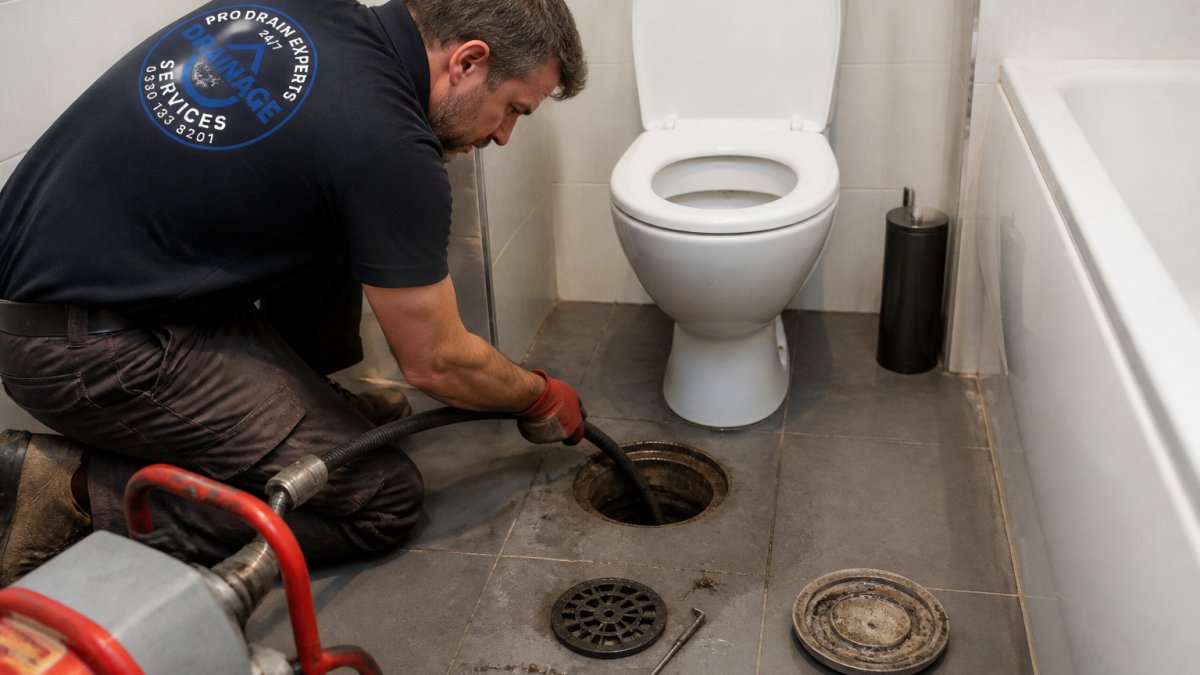
For tougher clogs, try a drain snake or plumbing auger. These tools reach deeper into the pipe and break up accumulated hair, soap, and food waste. Feed the snake slowly and turn the handle to grab debris.
Avoid using chemical drain cleaners right before your survey. These products can leave residue that coats the camera lens, making it difficult for the engineer to see the pipe condition clearly. If you've recently used chemicals, flush the drain thoroughly with hot water several times.
Remove standing water from affected drains. If water pools in your sink or shower, it indicates a blockage downstream. The survey will identify where the problem is, but removing visible water helps the camera move through more smoothly.
Locate and Clear Drain Survey Access Points
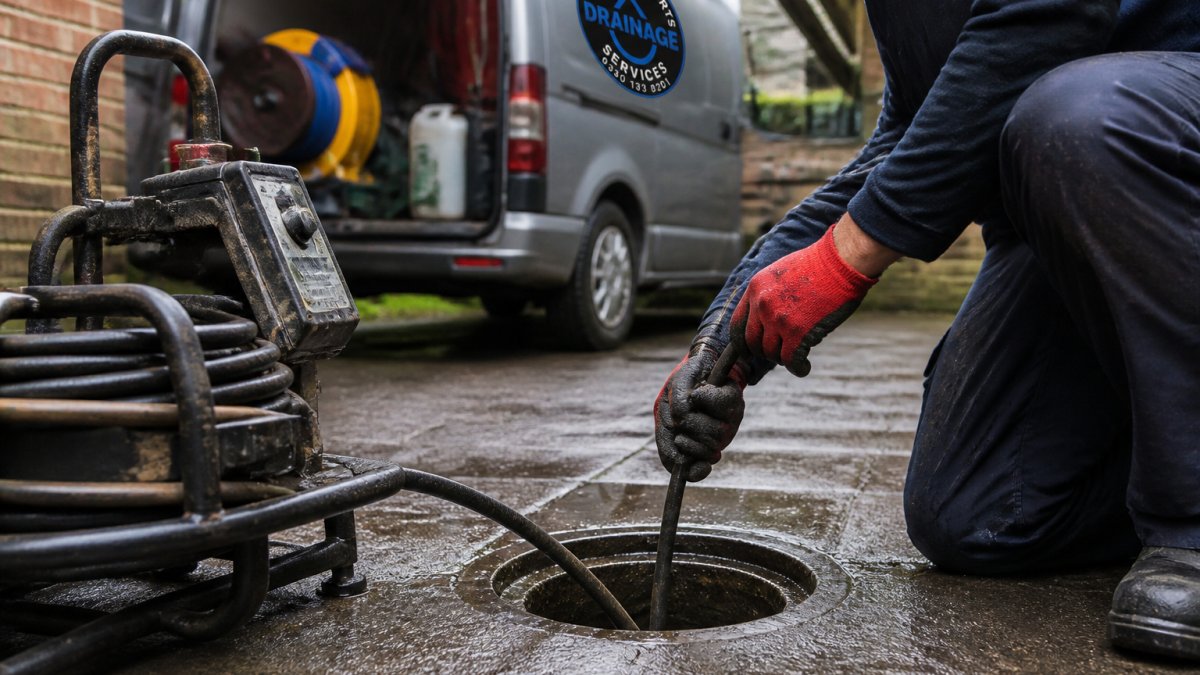
The engineer needs access to your drainage system to insert the camera. Most properties have inspection chambers or access covers in the garden or yard. These are typically round metal covers set into the ground.
Walk around your property and look for these covers. They're usually located at the base of downpipes, in gardens, or near the property boundary. Mark their locations with chalk or a small flag so the engineer can find them quickly.
Clear the area around each access point. Remove plants, paving stones, or garden furniture that might block the engineer's access. If the cover is stuck or rusted shut, try gently tapping it with a rubber mallet to loosen it. Do not force it, as this can damage the cover or the chamber below.
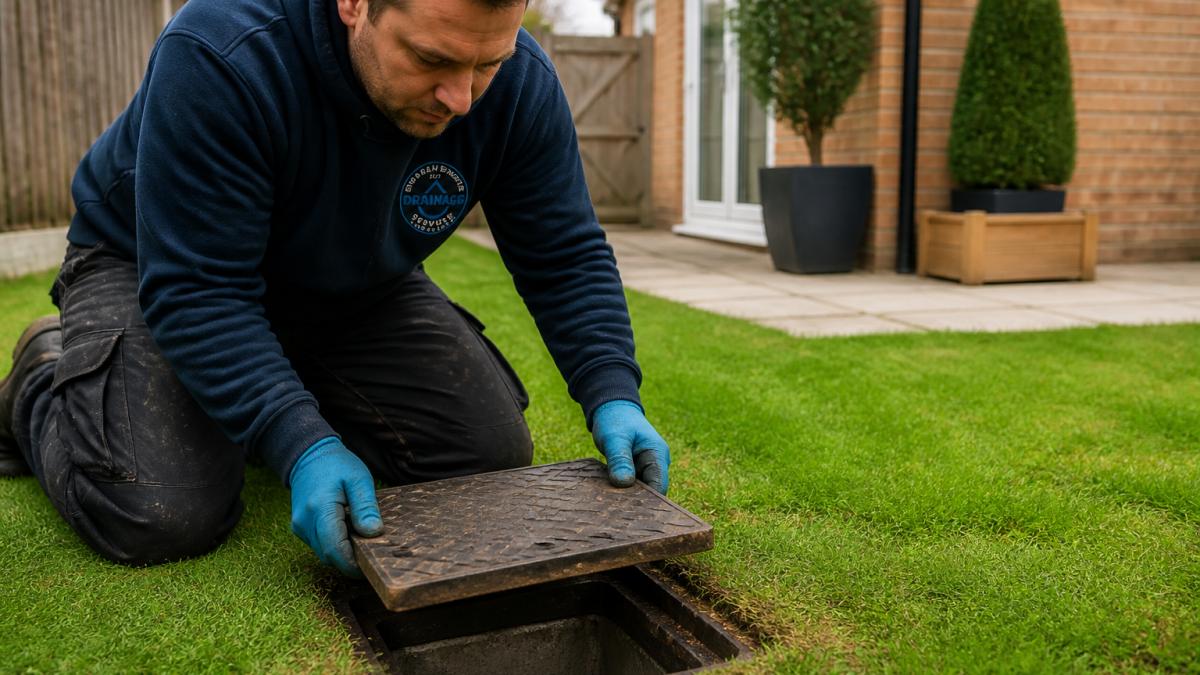
For properties in Ringmer with older drainage systems, access points may be buried under soil or gravel. Dig carefully around suspected locations. If you cannot locate an access point, mention this when you book your survey. The engineer may need to use alternative entry points or trace the drainage route from outside.
Check that the access cover opens fully. Some covers are hinged or have clips that hold them closed. Practice opening and closing it so you know how it works before the engineer arrives.
Stop Using Water Before Your Survey
Drain your system by stopping all water use for at least two hours before your appointment. This allows existing water to drain away and gives the camera a clearer view of the pipe walls.
Turn off washing machines, dishwashers, and showers. Ask family members or colleagues not to flush toilets or use taps during this period. The less water flowing through the pipes, the better the engineer can see.
If your property is commercial, like a retail store or restaurant in the area, coordinate with staff to minimize water use during the survey window. Restaurant kitchens and food preparation areas generate significant water flow, so advance notice helps the team prepare.
What Happens During a CCTV Drain Survey
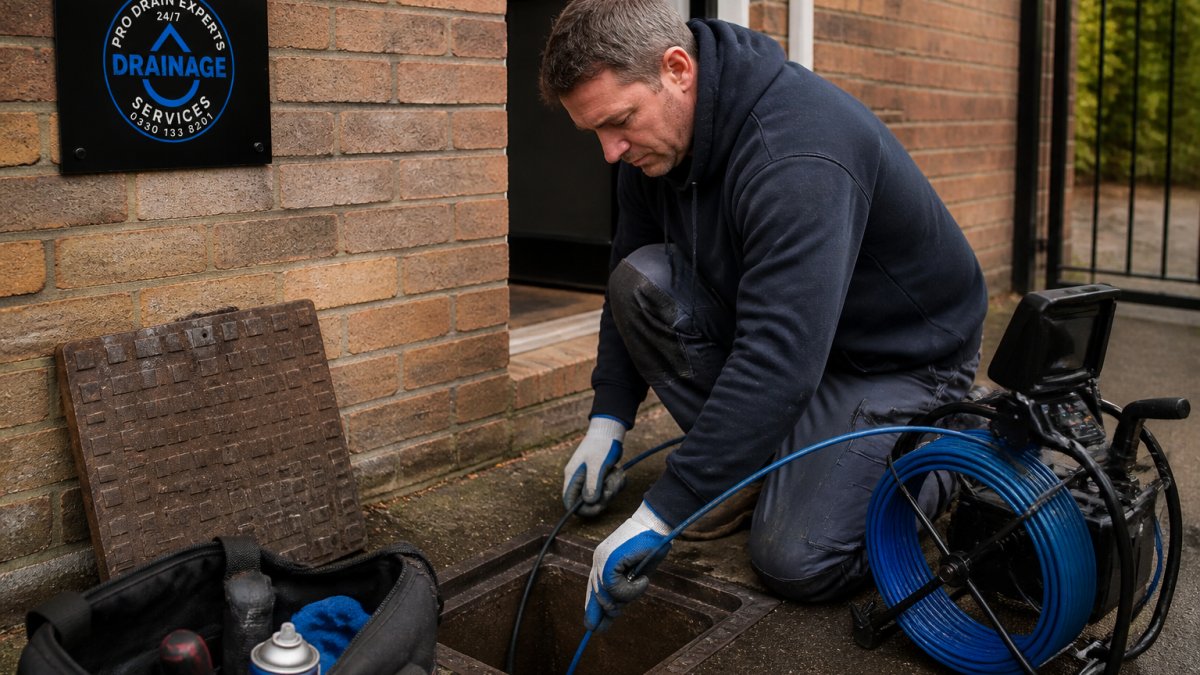
The engineer arrives with specialized equipment. The camera is attached to a flexible rod that feeds into your drainage system through an access point. As the rod moves through the pipes, the camera sends live video to a monitor.
The engineer controls the camera's movement and takes still images at key points. They note the pipe material, diameter, and condition. They look for cracks, blockages, root intrusions, and signs of damage or deterioration.
The entire process is recorded. The engineer creates a detailed video file and still images that become part of your report. This visual record is crucial for insurance claims, property sales, or planning future repairs.
Most surveys take between 30 minutes and two hours, depending on the length and complexity of your drainage system. The engineer will explain what they're seeing as they work, answering questions about your drains in real time.
How Long Does a CCTV Drain Survey Take
A typical how long does a cctv drain survey take answer depends on several factors. Simple residential systems with clear access usually take 30 to 60 minutes. Larger properties or commercial systems may take 90 minutes to two hours.
The length of your drainage run affects timing. A short drain from the house to the main sewer takes less time than a property with multiple outbuildings or complex layouts. Blockages or debris encountered during the survey add extra time as the engineer clears them.
For properties across East Sussex and Kent with older systems, surveys often take longer. Aging pipes may be narrower, partially blocked, or have multiple bends that slow the camera's progress. The engineer moves carefully to avoid damaging fragile pipework.
Ask your engineer for a time estimate when you book. Pro Drain Experts provides a same-day response so you can plan your day.
Prepare Your Property for the Engineer's Visit
Clean up the area around your drainage system. Remove garden furniture, tools, or parked cars that might block access to the garden or yard. The engineer needs clear space to work safely.
Ensure the engineer can reach your property easily. If you have a locked gate, arrange to be home to unlock it or provide access instructions. In Ringmer and surrounding areas, many properties have secure entrances that require advance notice.
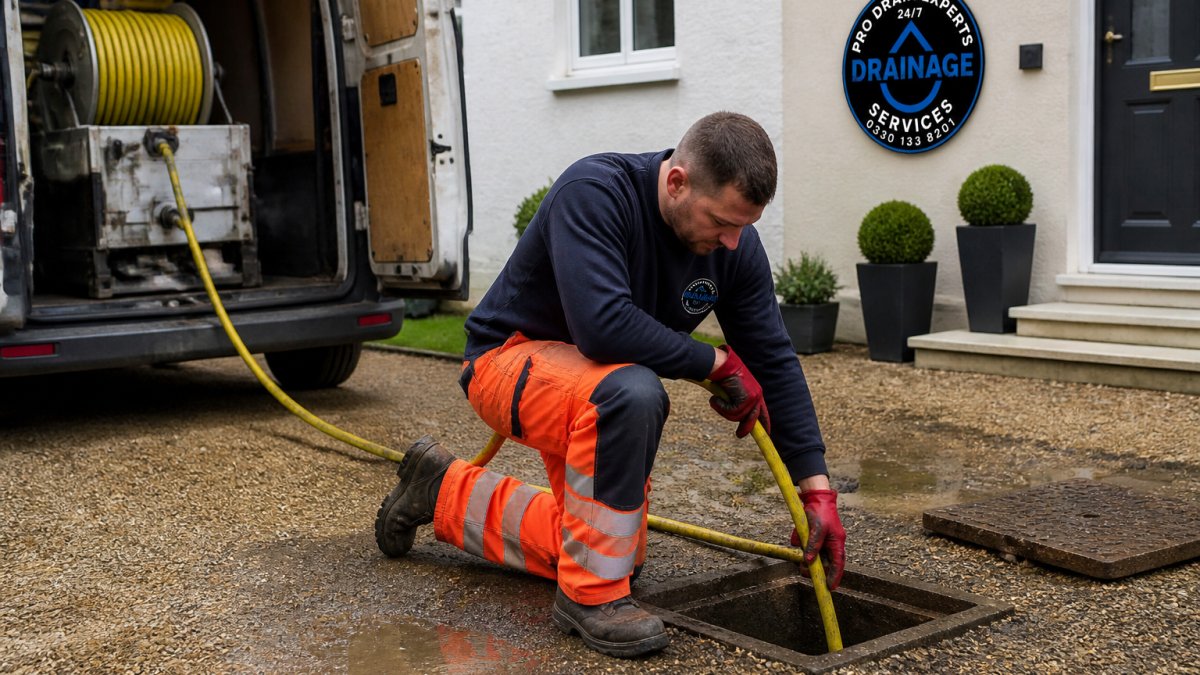
Protect your garden and driveway. The engineer's van will need parking space close to the drainage access points. If you have gravel or newly planted areas, mention this so they can take care not to damage them.
Have a family member or colleague available during the survey. They can answer questions about your drainage history, point out problem areas, and sign off on the work when complete. If you're not home, leave clear instructions about where access points are located.
Prepare a list of drainage issues you've noticed. Slow drains, bad smells, or water pooling in specific areas help the engineer focus on problem zones. Provide this information when the engineer arrives.
Understanding Your CCTV Drain Survey Report
After the survey, you'll receive a detailed report. This document includes still images from the camera, a video file of the entire drainage run, and written observations about the condition of your pipes.
The report identifies defects using a standard classification system. Cracks, blockages, root intrusions, and joint failures are all documented with their location and severity. You'll see exactly where problems are and how serious they are.
The engineer provides recommendations for repairs or maintenance. Some issues need immediate attention. Others can be monitored over time. The report helps you prioritize spending and plan for future work.
Keep this report for your records. It's valuable for insurance claims, property valuations, and when selling your home. Future engineers can reference it to track changes in your drainage system over time.
Common Mistakes to Avoid Before Your Survey
Don't pour grease or oil down drains before your survey. These substances solidify as they cool and create stubborn blockages that slow the camera and complicate the inspection.
Avoid using your drains heavily on the morning of your survey. A full drain with standing water makes it harder for the engineer to see the pipe condition. Light use is fine, but avoid showers, laundry, or dishwashing in the hour before the appointment.
Don't assume you know where all your access points are. Properties sometimes have multiple inspection chambers or forgotten covers buried under soil. Ask the engineer to help locate them if you're unsure.
Never attempt to force open a stuck access cover yourself. Damaged covers are expensive to replace and may prevent the survey from happening. If a cover won't budge, let the engineer handle it.
Avoid scheduling your survey during heavy rain. Rainwater entering the drainage system creates false readings and makes it difficult for the engineer to see the true condition of your pipes. Wait for dry weather when possible.
Checklist: Ready for Your CCTV Drain Survey
Use this checklist to ensure you're fully prepared for your appointment:
- Clear visible blockages from drains using a plunger or snake
- Flush drains thoroughly with hot water
- Locate all access points in your garden or yard
- Clear vegetation and obstacles around each access point
- Remove parked cars or garden furniture blocking access
- Stop using water for two hours before the survey
- Arrange for someone to be home during the appointment
- Prepare a list of drainage problems you've noticed
- Ensure the engineer can access your property easily
- Have your address and contact details ready
- Check the weather forecast and avoid rainy days if possible
- Ask for a time estimate when you confirm your appointment
Drainage problems don't resolve themselves, and the longer you wait, the more expensive repairs become. A professional how to prepare for a cctv drain survey inspection gives you a clear picture of your system's condition and prevents costly emergencies.
Pro Drain Experts provides comprehensive CCTV drain surveys across East Sussex, West Sussex, and Kent. Our team uses the latest camera technology to deliver detailed reports with clear recommendations. We offer same-day response and up-front pricing, so you know exactly what to expect. Get started with Pro Drain Experts today and protect your drainage investment with expert inspection and guidance.
Frequently Asked Questions
Do I need to clear anything before a CCTV drain survey?
Yes. Remove any visible debris, leaves, or objects near drain covers and access points. If your drains are severely blocked, inform the engineer beforehand, they can often work with partial blockages, but complete obstructions may need clearing first. Avoid pouring grease, oils, or non-biodegradable items down drains in the days before your survey, as these can obscure the camera view and make diagnosis difficult.
Should I stop using water before a CCTV drain survey?
Yes, ideally stop using water for 1-2 hours before the survey begins. This allows standing water and sediment to settle, giving the engineer a clearer view of the pipe interior. Avoid flushing toilets, running taps, or using washing machines during this period. If you have a septic tank system, check with your engineer about specific preparation, as these require slightly different handling than mains drainage.
What should I tell the drainage engineer before the survey?
Provide details about any drainage problems you've noticed: slow drains, foul odours, gurgling sounds, or recent backups. Mention if you know when your drains were last serviced or if previous repairs were done. Let them know the age of your property and whether you're aware of any tree roots nearby, as these commonly cause damage. If you've had recurring blockages, share that history, it helps the engineer focus on problem areas.
Can a CCTV drain survey be carried out if the drains are blocked?
Partial blockages usually aren't a problem, the camera can navigate around them. However, complete blockages prevent the camera from passing through. In these cases, the engineer may need to clear the blockage first using high-pressure jetting or manual methods before proceeding with the survey. Discuss this with your drainage provider when booking; they'll advise whether pre-clearance is necessary and what that involves.