 how-to
Is a Blocked Drain Classed as an Emergency?
Table of Contents
- What Counts as an Emergency Drain Blockage
- Signs of a Serious Drain Blockage
- When a Blocked Drain Becomes an Emergency
- What to Do While Waiting for a Drain Engineer
- Who Is Responsible for a Blocked Drain
- How to Report a Blocked Drain
- Response Times and What to Expect
- Preventing Future Drainage Emergencies
- Frequently Asked Questions
Last Updated: October 17, 2026
What Counts as an Emergency Drain Blockage
Is a blocked drain classed as an emergency? Yes, when it poses an immediate threat to health, safety, or property. Not every blockage requires emergency response, but some definitely do.
The key difference comes down to risk. A slow-draining shower might be annoying. A backed-up toilet flooding your bathroom is an emergency. A commercial kitchen sink that stops working mid-service is an emergency. A blocked drain classed as an emergency demands urgent professional attention because waiting creates real danger.
Here's what separates routine blockages from genuine emergencies:
- Multiple drains backing up at once (sign of a main line issue)
- Sewage or foul water entering your home or business
- Flooding in bathrooms, kitchens, or basements
- Blockages affecting commercial operations (restaurants, offices, retail)
- Drain issues after heavy rainfall (potential flooding risk)
- Blockages in shared drainage systems (affecting neighbours or tenants)
Pro Drain Experts responds to both routine and emergency blockages across East Sussex, West Sussex, and Kent. Our team understands that what feels urgent to you IS urgent, we treat every call with the same professionalism and speed.
Signs of a Serious Drain Blockage
Recognising the signs of a serious drain blockage early can prevent costly damage and health hazards. Some warning signals are obvious. Others creep up gradually.
Watch for these indicators that your blockage needs urgent attention:
- Gurgling sounds from drains, toilets, or pipes
- Foul smells coming from drains or outdoor areas
- Water backing up into sinks, baths, or showers
- Slow drainage across multiple fixtures
- Visible pooling of water in gardens or near your property
- Discoloured or contaminated water appearing anywhere
- Wet patches on walls or ceilings (sign of internal pipe issues)
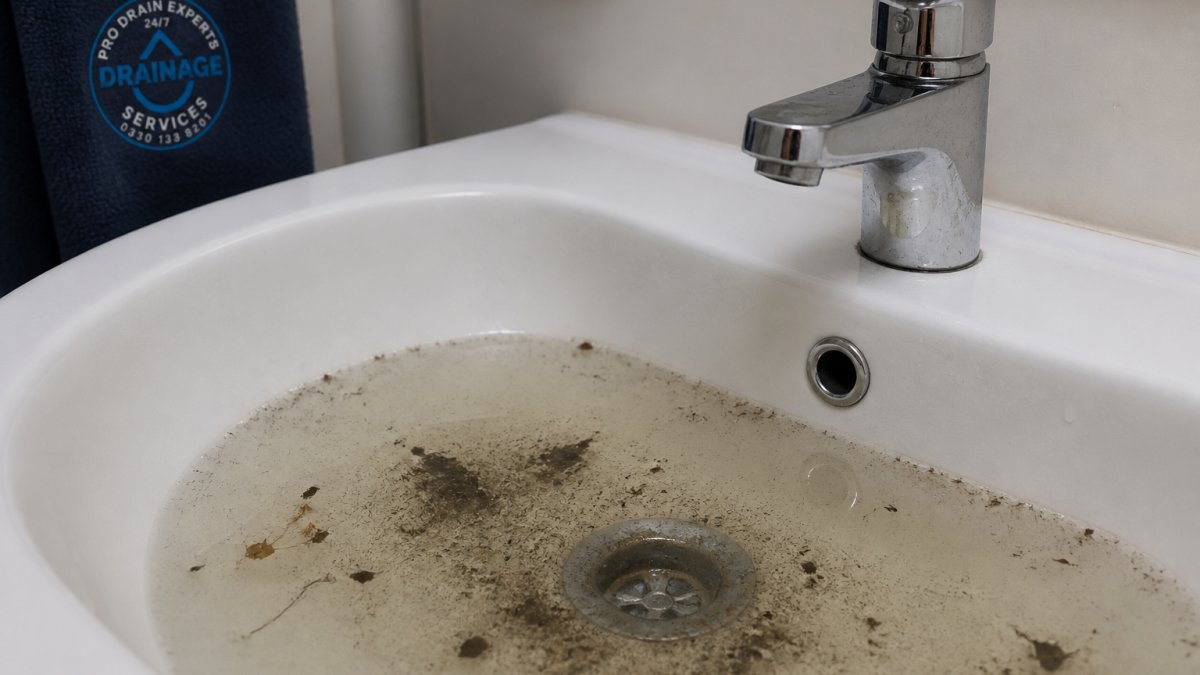
The worst sign is when sewage or waste water appears inside your home. That's not just unpleasant, it's a health hazard. Sewage contains harmful bacteria and pathogens. Exposure puts your family or staff at risk of serious illness.
Commercial properties have their own warning signs. A restaurant kitchen sink that stops draining mid-service. A retail toilet that backs up during busy hours. These aren't minor inconveniences, they're business stoppers that demand immediate professional response.
When a Blocked Drain Becomes an Emergency
The line between "annoying" and "emergency" depends on your situation. A blocked drain classed as an emergency typically meets one or more of these criteria:
Immediate health or safety risk:
- Sewage backup into living or working spaces
- Contaminated water exposure
- Risk of flooding affecting structural integrity
Business or operational impact:
- Blockages affecting commercial kitchens or food preparation areas
- Toilet failures in retail or office environments
- Drainage failures in healthcare or hospitality settings
Scale of the problem:
- Main line blockages (affecting your entire property)
- Blockages in shared drainage systems (affecting neighbours)
- Sewage system backups on municipal property affecting your access
Environmental risk:
- Drainage failures during or after heavy rain
- Blockages causing garden flooding or damage
- Overflow affecting neighbouring properties
We've seen blockages escalate quickly during heavy rainfall or when tree roots penetrate pipes. What starts as slow drainage can become a flooded basement within hours.
The safest approach: if you're unsure whether your blockage qualifies as an emergency, call a professional. Pro Drain Experts offers same-day response to genuine emergencies. Our team assesses the situation and tells you honestly what you're dealing with.
What to Do While Waiting for a Drain Engineer
Knowing what to do while waiting for a drain engineer can prevent the situation from worsening. You have more control than you might think.
Stop using water immediately:
- Do not run taps or showers
- Do not flush toilets (unless absolutely necessary)
- Do not use washing machines or dishwashers
- Do not drain baths or showers
Why? Every drop of water you send down the pipes adds pressure to the blockage. With a main line issue, this forces sewage backup into your home faster.
Clear the area around drains:
- Move furniture and belongings away from affected areas
- Protect carpets and flooring with towels if water is pooling
- Keep children and pets away from contaminated areas
Document what you see:
- Take photos of pooling water, backups, or damage
- Note when the problem started
- Record any foul smells or visible sewage
For commercial properties:
- Close affected areas to customers or staff
- Put "out of order" signs on blocked toilets
- Redirect foot traffic away from problem zones
- Alert management and document the downtime
Do not attempt DIY fixes with chemicals or plungers if you suspect a serious blockage. Chemical drain cleaners can damage pipes and make professional diagnosis harder. Plunging a backed-up toilet risks splashing contaminated water.
Who Is Responsible for a Blocked Drain
Understanding who is responsible for a blocked drain depends on where the blockage sits and whether you rent or own your property. Responsibility can be confusing, but it matters for cost and liability.
Responsibility in Rented Properties
If you rent, your landlord typically bears responsibility for most drainage issues. The property's drainage system is part of the structure. Landlords must maintain it in working order.
Your responsibility covers:
- Blockages you cause (flushing inappropriate items)
- Damage from negligence (pouring grease down drains)
- Misuse of facilities
Your landlord's responsibility covers:
- Main line blockages
- Pipe damage from age or tree roots
- Structural drainage failures
- Regular maintenance
Report blockages to your landlord immediately. Document the report in writing (email counts). Keep records of when you reported it and what the issue was. This protects you if disputes arise about who should pay.
Responsibility in Owned Homes
If you own your home, you own the drainage responsibility. Everything from your property boundary to the main sewer connection is your cost and your problem.
However, the public sewer system itself belongs to the local water authority. If the blockage sits in the public sewer beyond your property boundary, the water company may bear responsibility. This varies by location and pipe ownership.
To find out: contact your local water authority. They can tell you where your responsibility ends and theirs begins. In many cases, a professional drainage survey (like the CCTV surveys Pro Drain Experts provides) reveals exactly where the blockage sits.
How to Report a Blocked Drain
Reporting a blocked drain to the right authority matters if the blockage affects public sewers or shared systems. Different situations require different reports.
For private residential properties:
- Contact a professional drainage engineer (like Pro Drain Experts)
- Your engineer will assess whether the issue is on your property or the public system
- If it's public sewer, your engineer will advise you to contact the water authority
For shared drainage systems (flats, terraces, multi-unit buildings):
- Notify your property management company first
- They coordinate with the landlord or freeholder
- Management arranges professional drainage assessment
- The responsible party (usually the freeholder) arranges repairs
For commercial properties:
- Report to your facilities manager or building management
- They contact the drainage contractor
- Document the report and downtime for insurance purposes
If the blockage affects the public sewer:
- Your drainage engineer will identify this during assessment
- Contact your local water and sewerage company
- Provide them with the engineer's findings
- The water company handles repairs on public infrastructure
- You typically pay nothing for public sewer repairs
For environmental or health hazards:
- If sewage poses a risk to public health or environment
- Contact your local council's environmental health team
- Report to the water authority immediately
- Document the issue with photos and timestamps
Pro Drain Experts handles the assessment for you. We identify whether your blockage is private or public responsibility and advise you on next steps.
Response Times and What to Expect
Understanding response times and what to expect from a professional drainage service sets realistic expectations. Emergency response varies by provider and situation severity.
Same-day response is standard for genuine emergencies:
- Pro Drain Experts commits to same-day response for emergency blockages
- "Same-day" means we arrive within hours, not days
- Response times depend on call volume and your location within East Sussex, West Sussex, and Kent
What happens when the engineer arrives:
- Initial assessment of the blockage (usually 15-30 minutes)
- Discussion of findings and repair options
- Clear explanation of costs before work begins
- Professional drainage clearance using appropriate methods
- Follow-up advice to prevent recurrence
Typical drainage clearance takes:
- Simple blockages: 30-60 minutes
- Stubborn blockages: 1-2 hours
- Main line issues: 2-4 hours or longer
- CCTV surveys: 45-90 minutes
For commercial properties, Pro Drain Experts understands urgency. A restaurant or retail business cannot afford extended downtime. We prioritise commercial emergency calls and work efficiently to restore service.
What you receive after the job:
- Clear explanation of what was blocked and why
- Recommendations to prevent future blockages
- Detailed invoice with no hidden charges
- Optional CCTV survey report (if conducted)
- Advice on maintenance and care
Preventing Future Drainage Emergencies
Preventing future emergencies is far cheaper than dealing with emergency repairs. Simple habits and maintenance reduce blockage risk dramatically.
Daily practices that protect your drains:
- Never flush wipes, nappies, or sanitary products (even "flushable" wipes cause blockages)
- Avoid pouring grease or cooking oil down drains (it solidifies in pipes)
- Use drain screens to catch hair and debris
- Rinse dishes before washing to remove food scraps
- Run hot water after using drains to flush residue
Regular maintenance:
- Have drains professionally cleaned annually (especially for commercial properties)
- Clear gutters and downpipes regularly to prevent water damage
- Inspect outdoor drains for debris and damage
- Consider CCTV surveys every 3-5 years to catch problems early
For properties with tree issues:
- Tree roots are a common cause of main line blockages
- Have roots removed professionally before they damage pipes
- Consider root barriers if trees are near drainage lines
- Monitor drains more frequently in older properties with nearby trees
Commercial kitchen care:
- Install and maintain grease traps
- Never pour hot fat or oil down drains
- Train staff on proper waste disposal
- Schedule professional drain cleaning monthly during busy seasons
After heavy rainfall:
- Check that surface water drains are clear
- Inspect gardens for pooling water
- Clear debris from outdoor drainage areas
- Report any flooding to your water authority
Pro Drain Experts provides routine maintenance services across East Sussex, West Sussex, and Kent. Regular professional care catches problems before they become emergencies. We offer CCTV surveys that identify issues hiding inside pipes, tree roots, cracks, or buildup, so you can act before blockages occur.
Blocked drains don't always qualify as emergencies, but when they do, speed matters. If you're facing a genuine drainage crisis, whether it's sewage backup, multiple failed drains, or a commercial kitchen shutdown, professional help is your only option. Pro Drain Experts delivers same-day emergency response across East Sussex, West Sussex, and Kent. Our team uses the latest technology to diagnose problems accurately and fix them fast. With over 20 years of experience and up-front pricing, we handle both residential and commercial drainage emergencies with the professionalism and transparency you deserve. Contact us now for emergency drainage support, we're available 24/7.
Frequently Asked Questions
Is a blocked drain classed as an emergency in the UK?
A blocked drain becomes an emergency when it causes sewage backup into your home, creates health hazards, or affects multiple fixtures simultaneously. If raw sewage is entering your property, flooding is occurring, or the blockage poses an immediate risk to health and safety, it requires urgent professional attention. Not every blockage qualifies as an emergency, a slow-draining sink may wait until normal business hours, but a blocked toilet affecting the entire household typically warrants same-day drainage service.
What are the signs of a serious drain blockage?
Serious blockages show multiple warning signs: sewage odours throughout your home, multiple drains backing up simultaneously, gurgling sounds from pipes, visible sewage pooling in your garden or yard, and water flooding into rooms. If you notice these signs of a serious drain blockage developing quickly, contact a drainage professional urgently. A single slow drain is usually minor, but widespread drainage failure across your property indicates a significant obstruction requiring expert diagnosis.
What should I do while waiting for a drain engineer?
Stop using all water fixtures immediately to prevent further backup. Avoid flushing toilets, running taps, or using showers. If sewage has entered your home, keep children and pets away from affected areas. Turn off the water supply at the mains if flooding is severe. Do not attempt to clear the blockage yourself with chemicals or tools, as this can cause damage or injury. Open windows for ventilation and document any damage with photographs. These steps protect your property and health while you wait for a professional.
Who is responsible for paying for a blocked drain repair?
In most cases, the property owner or tenant responsible for the internal pipes pays for blockage repairs on their property. If the blockage is in the public sewer (usually beyond your property boundary), the water company is responsible. In rented properties, the landlord typically pays for blockages in the main drain, whilst the tenant may be responsible for blockages caused by misuse. Your tenancy agreement should clarify this. If unsure, contact your water company or landlord before arranging repairs.