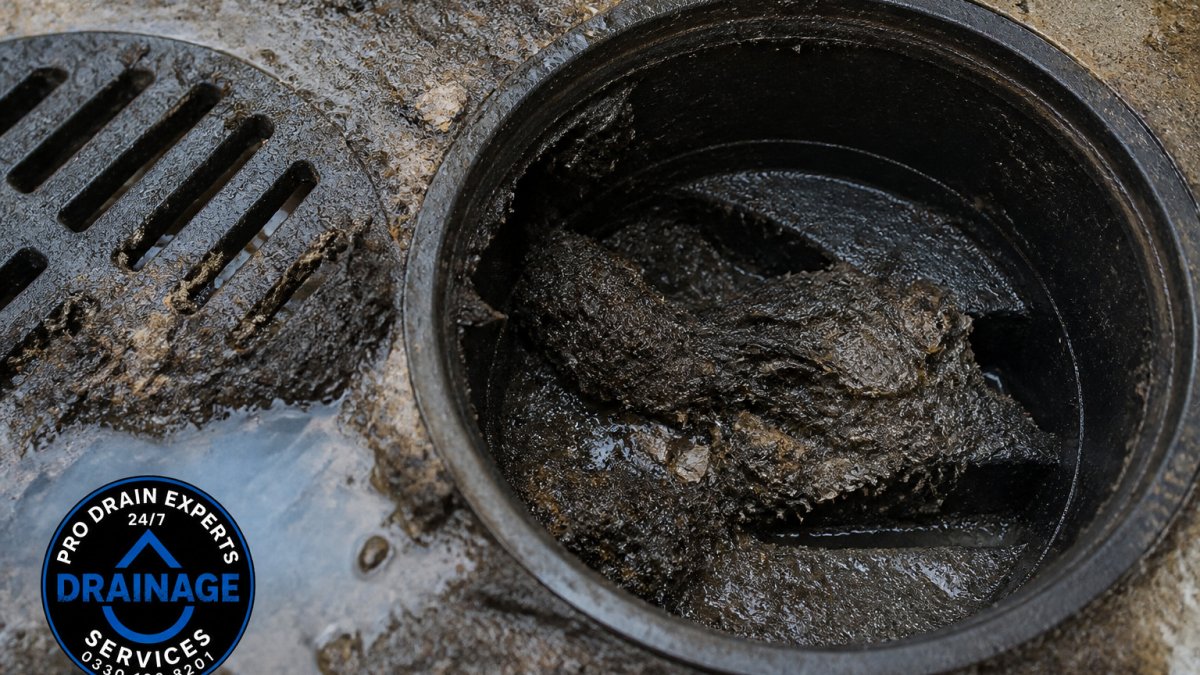
 how-to
How to Identify Blocked Drain Causes Step by Step
Quick Summary
The most reliable way to identify blocked drain causes is to note which fittings drain slowly and in what pattern. One slow sink usually means a local clog like hair, soap, or grease, while several fittings slowing together points to a shared or main-line restriction. Recording symptoms first makes the cause easier to find.
- Test each fitting in turn and note which ones drain slowly or gurgle.
- Water rising in a shower tray when the toilet flushes signals a main-line problem.
- Hair and soap cause most bathroom blockages; grease and food debris cause most kitchen ones.
- Stop running water if sewage backs up, and call a professional for multiple affected fittings.
- Recurring blockages often mean roots or structural damage, which a CCTV drain survey can confirm.
Table of Contents
- How to Identify Blocked Drain Causes Step by Step
- What a Blocked Drain Is Telling You
- Signs of a Blocked Drain to Check First
- Common Causes of Blocked Drains in Homes
- How to Tell Whether a Blockage Is in One Drain or the Main Line
- How to Tell If an Outside Drain Is Blocked
- A Step-by-Step Process to Identify the Cause
- Tree Roots, Pipe Damage and Other Hidden Causes
- How to Prevent Blocked Drains From Coming Back
- Booking Your Drain Inspection in East Sussex and Kent
- Frequently Asked Questions
How to Identify Blocked Drain Causes Step by Step
Last Updated: November 4, 2026
Blocked drains raise the same question again and again: why is this drain blocked, and what do I do about it? Knowing the cause changes the fix. A hair clog in a bathroom sink needs a different approach from a root-damaged main line, and guessing wrong wastes money and time. This guide walks you through how to identify blocked drain causes step by step, so you can narrow things down before you call anyone in.
What a Blocked Drain Is Telling You
A blocked drain is a sign that something is restricting water flow in your pipes. The symptoms tell you where the restriction likely sits. If you have already identified the problem and want it fixed locally, book a blocked drain service in Uckfield to get it sorted. Slow water in one sink usually points to a clog close to that fitting. Problems in several fittings at once often point further down the system.
Think of the drain as a set of clues. Where the water backs up, what it smells like, and how many fittings are affected all help you work out the cause. Treat each symptom as evidence, not a verdict.
Signs of a Blocked Drain to Check First
Start with a quick check of the common warning signs:
- Slow drainage in one sink, bath, or shower
- Gurgling sounds from toilets, sinks, or pipes when water runs elsewhere
- Bad smells coming up through the plughole
- Toilet flushing changes, such as a slow refill or water rising high in the bowl
- Standing water that takes minutes to clear
- Water backing up into a second fitting when you use the first
One slow sink is often a simple clog. Several fittings slowing at once, or water rising in a shower tray and a toilet together, suggests a bigger problem further along the line. Note which fittings are affected before you move on.
The article points to a few common warning signs and what each one usually suggests:
| Symptom | What it suggests | Next step |
|---|---|---|
| Slow drainage in one sink, bath, or shower | Clog close to that fitting | Check the trap and strainer |
| Gurgling from toilets or sinks | Shared pipe or partial blockage | Test each fitting in turn |
| Water rising in a shower tray when the toilet flushes | Main-line problem | Stop running water and call a professional |
| Standing water taking minutes to clear | Restriction in the branch or trap | Remove visible debris |
| Several fittings slowing at once | Shared or downstream restriction | Record the pattern and escalate |
Common Causes of Blocked Drains in Homes
Most household blockages come from a short list of culprits:
- Hair and soap residue building up in bathroom plugholes
- Grease and fat poured down kitchen sinks, which cool and stick to the pipe walls
- Food waste and debris getting past the sink strainer
- Wet wipes and sanitary products flushed down the toilet, even when packaged as flushable
- Organic matter that slowly builds up and starts to decompose
- Tree roots that grow into cracks or joints in outside pipes
- Broken or collapsed pipes that trap waste and stop water moving freely
Hair, grease, and wipes cause most indoor blockages. Roots and structural damage are less common but harder to clear, and they tend to come back unless the pipe is repaired.
How to Tell Whether a Blockage Is in One Drain or the Main Line
This is the single most useful check you can make, because it tells you whether you are dealing with a local clog or a shared drainage problem. Many properties sit on a mix of private drains within the boundary and public sewers maintained by the water company, so the answer can change who you call and who pays.
Work through these steps in order:
- Test each fitting in turn. Run water in the kitchen sink, bath, basin, shower, and then flush the toilet. Note which ones drain slowly and which drain normally.
- Compare the results. If only one fitting is slow, the blockage is probably in its own branch pipe or trap. If several fittings struggle at once, the restriction is likely in a shared pipe or the main line.
- Watch what happens when you flush. Water rising in a shower tray or bath when the toilet is flushed is a strong sign of a main-line problem, because the waste has nowhere to go but back up the lowest outlet.
- Check the inspection chamber outside, if you can open it safely. Water sitting high in the chamber suggests the blockage is downstream of that point. A chamber that is clear while indoor fittings back up points to a problem between the house and the chamber.
- Note whether neighbours are affected. If a neighbouring property in Ringmer has the same symptoms at the same time, the problem is likely in a shared or public sewer rather than your private drain.
A common pattern is a single slow bathroom basin caused by hair and soap, which is a local branch blockage. A different pattern is a kitchen sink, utility sink, and downstairs toilet all slowing together, which usually means the shared underground run is restricted.
Watch out: if water rises in more than one fitting or you see sewage backing up, stop running water immediately. Continued use can push waste further into the system and turn a clearable blockage into a contaminated clean-up.
If several fittings are affected, or water rises in more than one place, stop and call a professional. If only one fitting is affected and the trap is clear, a local unblock may be all that is needed.
How to Tell If an Outside Drain Is Blocked
Outside drains are often overlooked until they overflow. Check these signs:
- Water pooling around a drain cover after rain
- A bad smell near the gully or inspection chamber
- Water backing up into an indoor fitting after heavy rain or when the outside drain is used
- Damp patches or soft ground near the drain run
Outside blockages can come from leaves, silt, roots, or a collapsed section of pipe. Clearing debris from the top of a drain is safe to try. Anything that involves opening a chamber full of water or sewage should be left to a trained team.
Checking Gullies and Inspection Chambers
Gullies and inspection chambers are the access points to your outside drainage. Here is a safe way to check them:
- Look for leaves, grit, and litter sitting on the grating or inside the gully
- Note whether water sits in the gully or drains away quickly
- Check for a strong smell, which can point to a blockage downstream
- Do not lift heavy covers alone or stand over an open chamber
Always wear gloves and avoid direct contact with standing water. Wastewater can carry bacteria.
A Step-by-Step Process to Identify the Cause
Use this sequence to narrow down the cause safely. It is written for homes where private drains, shared runs, and public sewers can all be involved, so the result tells you what to do next rather than just what is wrong.
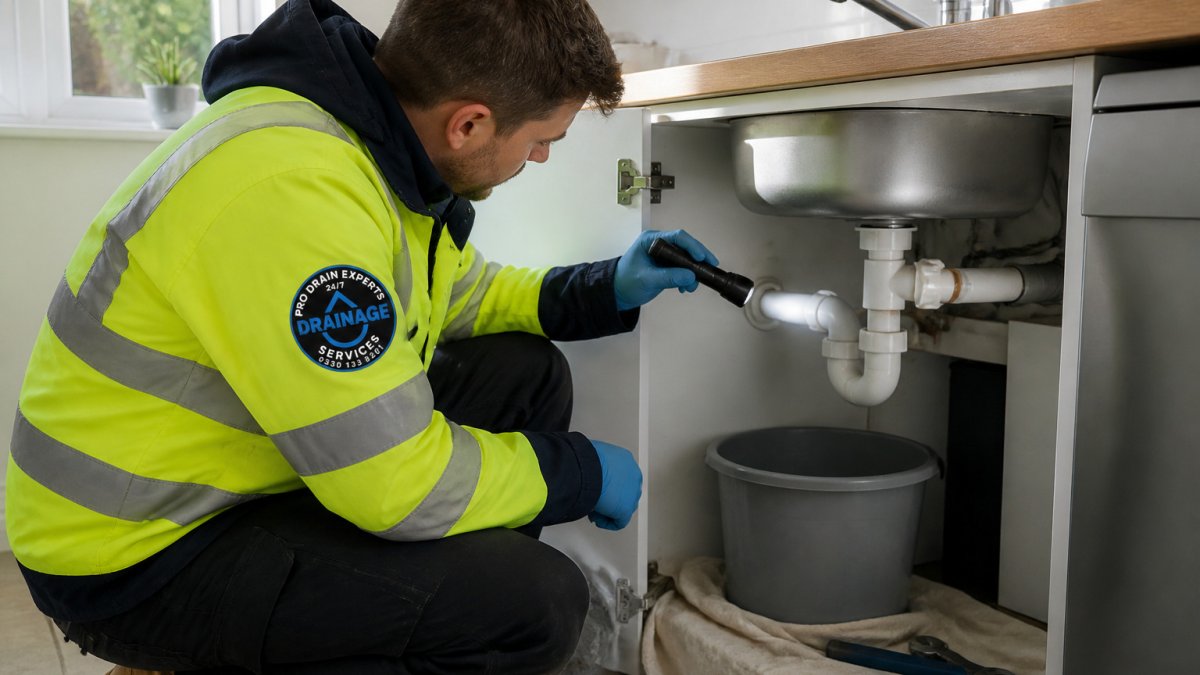
- Record the symptoms before you touch anything. Note which fittings are slow, whether water gurgles, whether there is a smell, and whether the problem appears after rain or after using a particular appliance. This record is what a drainage engineer will ask for first.
- Test each fitting and write down the pattern. A single slow basin points to hair and soap in the trap or branch. A kitchen sink that drains slowly but a bathroom that is fine points to grease and food debris. A toilet that gurgles when the basin empties points to a venting or shared-pipe issue.
- Check the trap and strainer first. Remove visible debris from sink strainers, bath plugs, and shower gullies. Many blockages end here, and this step is safe for most householders.
- Match the symptom to the likely cause. Slow drainage in one bathroom fitting usually means hair and soap residue. Slow drainage in the kitchen usually means grease, fat, or food debris. Gurgling from a toilet when another fitting drains often means a partial blockage or a venting problem in a shared pipe. Bad smells with no slow drainage can mean a dry trap or a build-up further along the run.
- Decide whether the problem is local or shared. Use the earlier section to test whether one fitting or several are affected. If neighbours are affected at the same time, treat it as a shared or public sewer issue and contact the water company rather than a private contractor first.
- Inspect accessible outside drains only if it is safe. Look at the gully grating and the inspection chamber cover. Do not lift a heavy cover alone, do not stand over an open chamber, and do not reach into standing water. If the chamber is full, stop and call a professional.
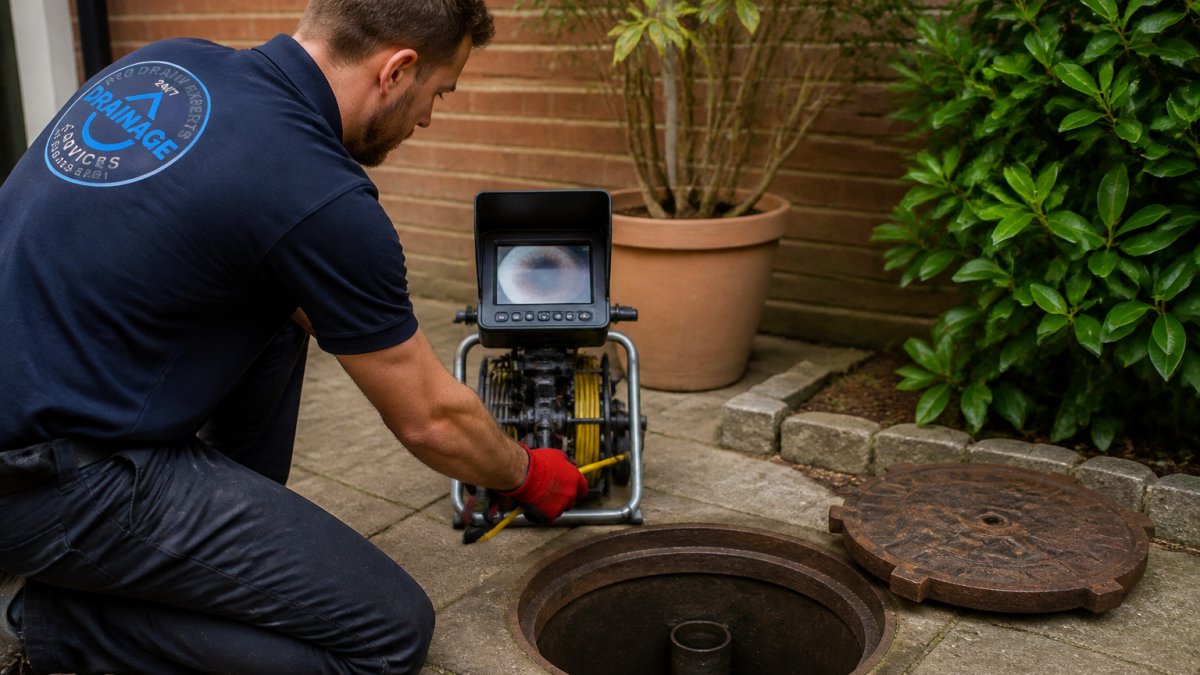
- Escalate when the signs point to a structural cause. Recurring blockages in the same place, a sunken patch of ground, or a pipe that stays blocked after clearing can indicate a cracked, displaced, or collapsed pipe. A CCTV drain survey is the reliable way to confirm this, and it shows root intrusion, cracks, and collapses that cannot be seen from the surface. To decide whether a camera survey or a manual inspection suits your situation, compare CCTV drain survey and manual inspection.
Watch out: never mix chemical drain cleaners, and never use them after a mechanical attempt has failed, because the residue can be hazardous to the engineer who attends. If you smell sewage, see sewage backing up, or have contaminated water in the property, stop investigating and treat it as a health hazard.
A common pattern is a blockage that clears and returns within weeks. That pattern usually means the cause, such as roots or a damaged section, has not been addressed. Matching prevention to the cause you found is more effective than repeated clearing: a hair blockage needs a drain guard, a grease blockage needs a fat trap and wiping pans, and a root or structural problem needs a professional inspection and repair.
Tree Roots, Pipe Damage and Other Hidden Causes
Some blockages are hard to spot from the surface. These are the causes that need closer investigation:
- Tree roots that grow into joints and cracks, catching waste and slowly closing the pipe
- Cracked or displaced pipes that let waste collect at low points
- Collapsed sections that trap debris and block flow completely
- Pipe age and wear that makes older systems more prone to build-up
Root and pipe problems often return after simple clearing. Clearing the pipe removes the immediate blockage, but the cause, such as a crack or root growth, remains. A camera survey is usually needed to confirm the fix.
How to Prevent Blocked Drains From Coming Back
Once you know the cause, you can target prevention:
- Use drain guards in showers, baths, and basins to catch hair and soap
- Never pour cooking fat or oil down the sink. Let it cool, scrape it into a bin, and wipe pans first
- Bin wet wipes and sanitary products, even when labelled flushable
- Clean strainers regularly to stop food debris building up
- Plan a periodic check of outside drains, especially before autumn when leaves fall
- Watch for early signs like slow drainage, and act before a full blockage forms
Matching prevention to the cause you found is more effective than generic advice. A hair-related blockage needs a drain guard. A root-related one needs a professional inspection and repair.
Booking Your Drain Inspection in East Sussex and Kent
If you have worked through these steps and the cause is still unclear, or the blockage keeps returning, a professional inspection is the next step. A CCTV survey will show exactly what is inside the pipe, and the findings can guide a targeted fix rather than repeated clearing.
Pro Drain Experts offers 24/7 emergency call-outs, same-day response, and up-front pricing with no hidden fees, so you know the cost before work starts. Our fully equipped vans carry the tools needed for most jobs. For a precise quote, contact the team directly.
Frequently Asked Questions
How can I tell what is causing my drain to block?
Start by noting where the problem shows up. A single slow sink usually points to a local blockage such as grease, hair or soap residue in that trap. If several fixtures drain slowly, or water rises in a shower or toilet when another appliance is used, the problem is more likely in a shared branch or the main line. Watch for patterns: a blockage that clears briefly and returns often means a build-up that needs clearing and a check for the source. Gurgling or foul smells from several fixtures suggest a venting or main drain issue. If you cannot identify the cause safely, a CCTV drain survey from Pro Drain Experts can show exactly where the obstruction sits.
What are the first signs of a blocked drain?
The earliest signs are slow drainage, water that stands in the sink or shower for longer than usual, and a gurgling noise when water runs elsewhere in the house. Unpleasant odours from a plughole or toilet often follow, as trapped organic matter starts to decompose. In outside areas, look for pooling water near gullies, damp patches, or water backing up through a drain cover after rain. Catching these signs early makes the cause easier to identify and reduces the chance of overflow or flooding.
Can tree roots cause a blocked drain?
Yes. Tree roots are drawn towards moisture and can grow into cracks or loose joints in drainage pipes, catching paper, wipes and debris until a blockage forms. Root intrusion is usually a recurring problem rather than a one-off, and it often builds up gradually, with slow drainage getting worse over weeks or months. Where roots are suspected, a CCTV survey is the reliable way to confirm the cause and see whether the pipe itself is damaged. Pro Drain Experts can carry out this survey and provide a detailed report with recommendations.
When should I call a drainage professional about a blockage?
Call a professional if more than one fixture is affected, if water is rising in a shower or toilet, if sewage is visible, or if the blockage returns after you have cleared it. These signs suggest a problem beyond a simple plunger or drain clearing, such as a main line obstruction, pipe damage or root intrusion. Pro Drain Experts offers 24/7 emergency call-out, a same-day response promise and up-front pricing, so you know the cost before work starts. Where the cause is unclear, ask for a CCTV survey to pinpoint it accurately.