 how-to
How to Prepare Your Property for a Drainage Inspection
Last Updated: October 30, 2026
Quick Summary
To prepare for a drainage inspection, find and clear every drain inspection chamber, stop water use for the time the engineer asks, and gather any past drainage reports. Preparing well gives the engineer safe access and a clearer camera view of your pipes.
- Find every drain inspection chamber and clear plants, furniture and bins from around each cover.
- Stop washing machine and dishwasher use, and avoid long showers, baths and flushing during the survey.
- Take photos of each chamber so you can show the engineer exactly where to look.
- Tell the engineer about any slow drains, smells or gurgling sounds before the visit.
- Keep pets and children away from open chambers, since they are a trip and fall risk.
Table of Contents
- Why Preparation Matters Before a Drainage Inspection
- Clearing Access to Your Drain Inspection Chambers
- Stopping Water Use Before the CCTV Drain Survey
- Your CCTV Drain Survey Checklist
- What to Tell Your Drainage Engineer Before They Arrive
- How Long a CCTV Drain Survey Takes
- Drainage Inspection Questions to Ask Your Engineer
- What Happens During the Inspection
- Booking Your Drainage Inspection in Ringmer and East Sussex
- Frequently Asked Questions
Why Preparation Matters Before a Drainage Inspection
Preparing your property properly before a drainage inspection saves time, money and frustration. Inspections are often delayed when access is blocked or water is still running in the house. A little planning on your side helps the engineer get a clear, useful picture of your drains.
A drainage inspection is a process where an engineer checks the pipes that carry waste water away from your home.
Good preparation does three things. It gives the engineer safe access. It makes sure the camera sees the pipes clearly. It also gives the engineer a true picture of how your drains behave in normal use.
- Clear access means no delays on arrival
- Clean pipes mean a clearer camera view
- Normal water use means the engineer sees real flow problems
Preparation is not complicated, but it does take a little time before the visit. Many people find that a short checklist makes it much easier.
Clearing Access to Your Drain Inspection Chambers
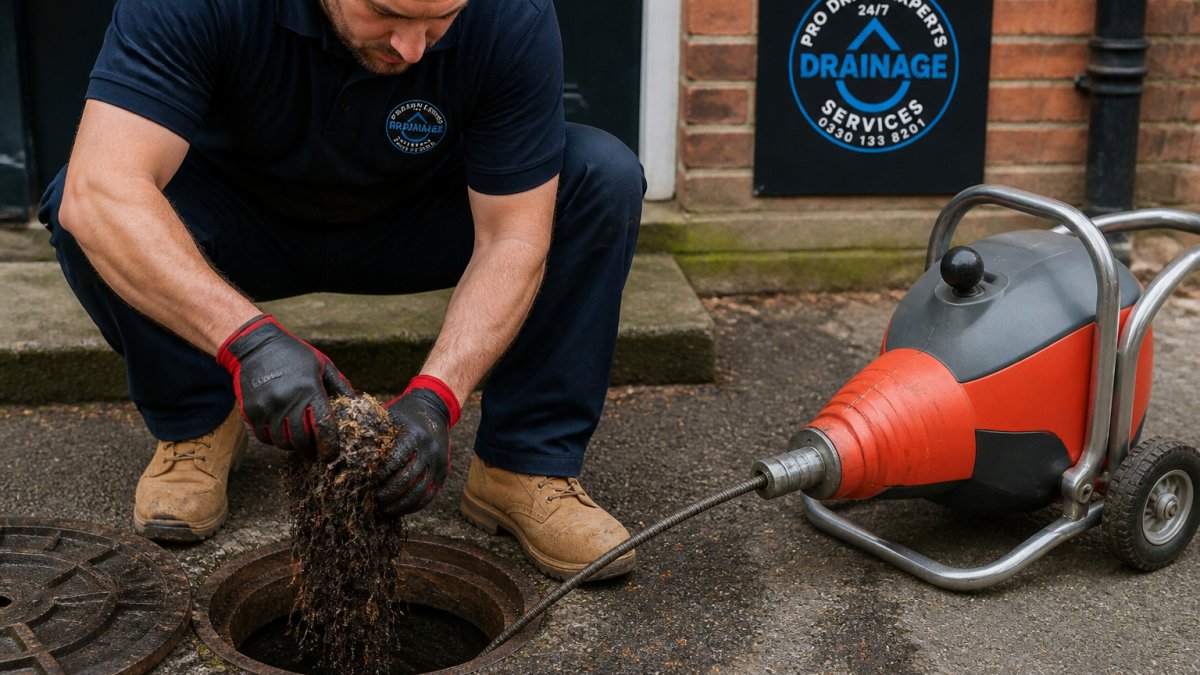
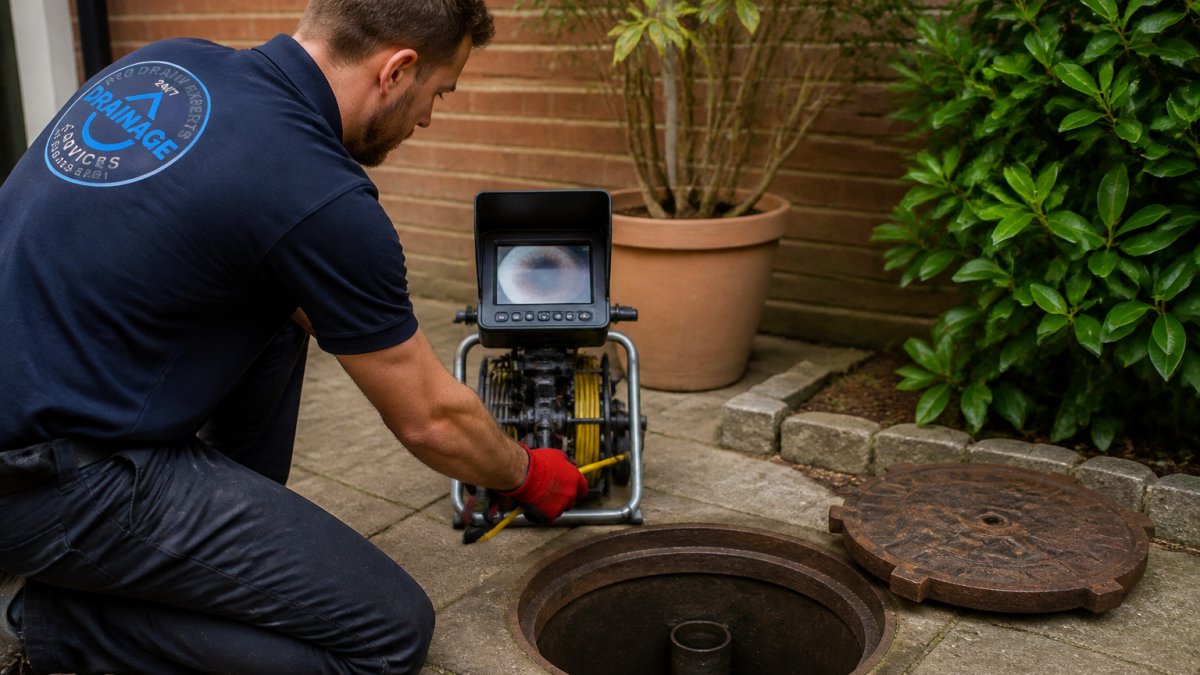
Drain inspection chambers are the access points where the engineer lowers the camera into the system. They are usually covered by a manhole cover or a small inspection hatch in the garden, driveway or yard.
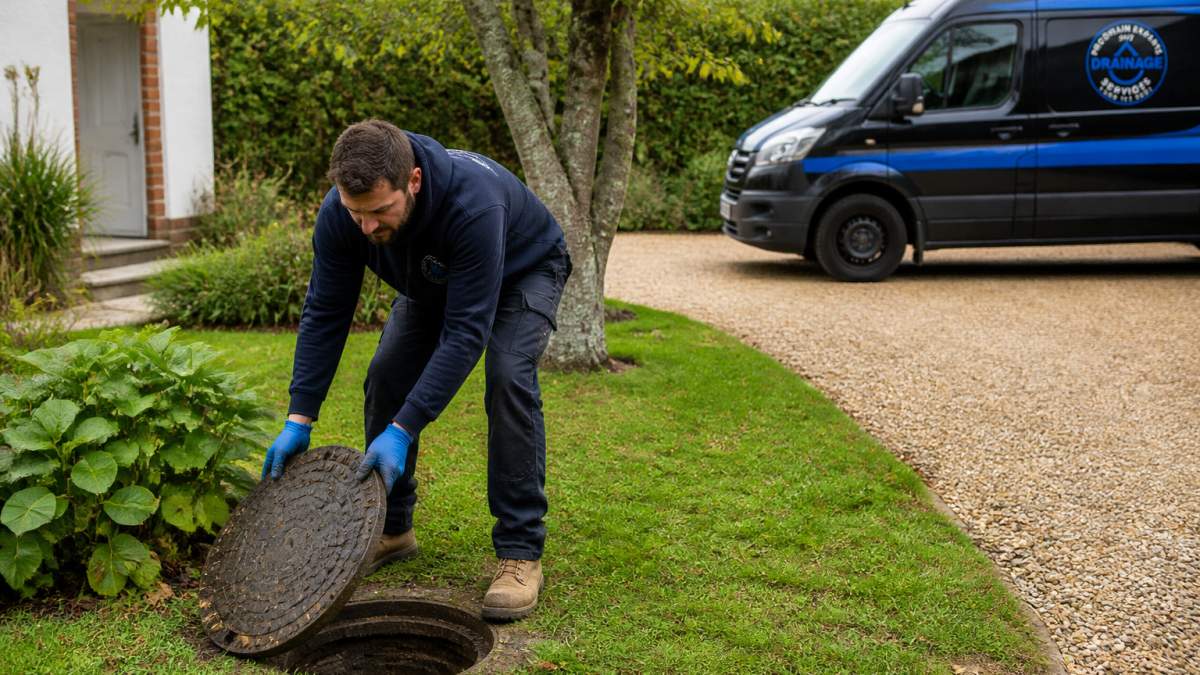
Before the visit, find every chamber on your property. Look for round or square covers in lawns, paving and patios. Older homes sometimes have chambers that are buried under soil or paving slabs.
Clear each chamber so the engineer can reach it quickly. Remove plant pots, garden furniture, bins and heavy stones from the area around the cover. Trim back any overgrown plants so nothing blocks the way.
Heavy covers can be difficult to lift safely. If your cover is very heavy or stuck, mention it when you book so the engineer can bring the right tools.
A quick tip: take a photo of each chamber cover before the visit. This helps you show the engineer exactly where to look.
Keep children and pets away from the open area during the inspection. An open chamber is a trip and fall risk, so the area should be kept clear and safe.
Stopping Water Use Before the CCTV Drain Survey
Water flowing through the pipes can make a CCTV survey harder to read. Running taps, showers and washing machines can also hide small leaks and flow problems.
Ask everyone in the house to stop using water for a short time before the visit. This usually means no showers, baths, washing machines, dishwashers or running taps for several hours. Your engineer can tell you exactly how long they need.
Flushing the toilet should also be avoided during the survey. Each flush sends water through the system while the camera is trying to look inside.
- Stop washing machine and dishwasher use
- Avoid long showers and baths
- Do not run taps unless needed
- Let the engineer know if water use cannot be stopped
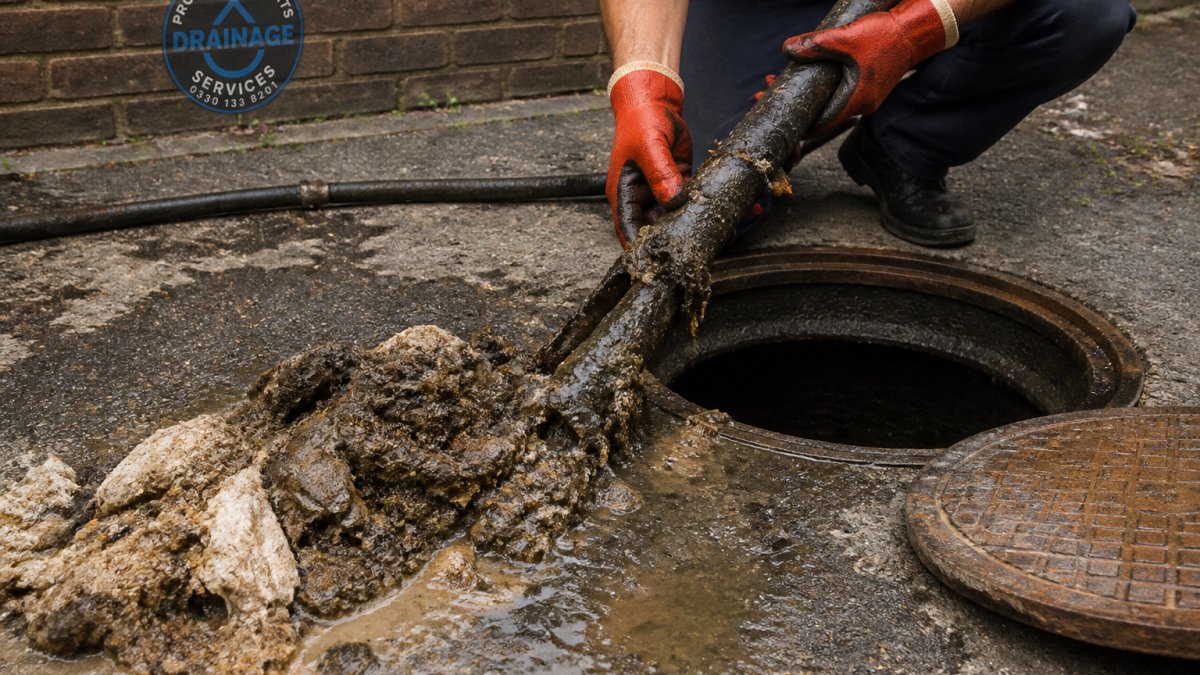
If a drain is already blocked or backing up, tell the engineer. Water that is stuck in the pipes can make the survey harder, and the engineer may need to clear part of the blockage first.
Your CCTV Drain Survey Checklist
Use this checklist the day before your visit. It covers the most common things that delay or spoil a survey. For the full preparation guide, see how to prepare for a CCTV drain survey.
- Find all drain inspection chambers and covers
- Clear plants, furniture and bins from around each cover
- Take photos of the chambers and their locations
- Stop water use for the time the engineer asks for
- Note any slow drains, smells or gurgling sounds
- Gather any past drainage reports or repair records
- Make sure the engineer can park close to the property
- Keep pets and children away from open chambers
- Have a list of questions ready for the engineer
Keep your past records in one place. If the drains were repaired or surveyed before, those reports help the engineer spot changes over time.
The checklist below pulls together the preparation steps the article covers, so you can see at a glance what to do before the engineer arrives.
| Task | When | Why |
|---|---|---|
| Find and clear each drain inspection chamber | Day before the visit | Gives the engineer safe, quick access |
| Stop washing machine and dishwasher use | For the time the engineer asks | Water flow hides leaks and flow problems |
| Avoid long showers, baths and flushing | During the survey | Each flush sends water through the camera's path |
| Take photos of each chamber | Before the visit | Shows the engineer exactly where to look |
| Keep pets and children away from open chambers | During the survey | Open chambers are a trip and fall risk |
| Gather past drainage reports | Before the visit | Helps spot changes over time |
What to Tell Your Drainage Engineer Before They Arrive
A short phone call before the visit can save a lot of time on the day. Tell the engineer about any problems you have noticed in the drains.
Share details like where the problem shows up, such as a bathroom, kitchen or outside drain. Mention if sinks are slow, toilets gurgle or smells come from the drains.
Let the engineer know about any recent work on the property. This includes new extensions, tree removal, building work or recent repairs.
Tell them if you have a septic tank, shared drains or unusual drainage layouts. These details change how the survey should be done.
Quick note: the more specific you are, the faster the engineer can focus on the real problem.
Confirm your access arrangements and any parking limits on the street. A clear plan helps the visit run smoothly from the first minute.
How Long a CCTV Drain Survey Takes
Most CCTV drain surveys take between one and three hours for an average home. Larger properties, commercial sites and drains with many branches can take longer.
The time depends on how many chambers there are, how far the camera needs to travel and whether any blockages need clearing first. Drains with tree roots or heavy build-up can take extra time.
Your engineer will usually explain the expected length of the visit when you book. Plan to be available for the whole visit so questions can be answered on site.
Ask how the report will be sent so you know what to expect.
Drainage Inspection Questions to Ask Your Engineer
Asking the right questions helps you understand the problem and what happens next. Write your questions down before the visit so nothing is missed.
Useful questions include:
- What problems did you find in the drains?
- Are any repairs urgent, or can they wait?
- What would you recommend, and why?
- How long will the repairs take?
- Will you send a written report and camera footage?
- Could these problems come back, and how can I prevent that?
A good engineer will explain findings in plain language. If something is unclear, ask them to show you the footage on screen.
What Happens During the Inspection
The engineer will start by checking the chambers and the route into your drains. For a fuller walkthrough of each stage, read what happens during CCTV drain inspection. They may run water through a fixture or check for flow before the camera goes in.
The CCTV camera is then fed slowly through the pipes. The engineer watches the screen and records any cracks, leaks, root damage, blockages or broken joints. They may pause to look more closely at problem areas.
Once the survey is finished, the engineer should explain what they found. They can show you key footage and talk through the next steps. This is a good time to ask your questions.
Ask for a clear written report so you can review it later.
Booking Your Drainage Inspection in Ringmer and East Sussex
If you are ready to book, you can book a CCTV drainage survey and arrange a time that suits you.
Before you call, it helps to read our guide on what to do before you hire us. It explains what information we need and how to prepare for the visit.
Preparing well makes the inspection faster, clearer and more useful. Taking the time to clear access, stop water use and gather your questions helps you get the most from the survey. Call us when you are ready.
Frequently Asked Questions
How do I prepare my property for a drainage inspection?
Start by clearing a safe route to every drain inspection chamber, including manhole covers, inspection hatches and any gully grates. Remove garden furniture, soil, paving slabs or stored items covering them. Stop using water inside the property for a short period beforehand, as agreed with your engineer, so the pipes are empty enough to film clearly. Tell the engineer where the chambers are and whether any were previously blocked or buried. Keep pets secured and make sure the engineer can park close to the access points. Clear preparation avoids a wasted visit and reduces the time spent on site.
Should I avoid using water before a CCTV drain survey?
Yes, in most cases you should reduce water use for a short period before the survey. Running taps, showers, dishwashers and washing machines fills the pipes with water, which can obscure the camera view and make it harder to spot cracks, displaced joints or debris. Your engineer will confirm the exact timing when you book, as it can depend on the system and the survey type. If you are unsure, ask them directly rather than guessing, and keep to any instruction they give you.
What should I tell a drainage engineer before an inspection?
Tell the engineer about any past blockages, repairs, flooding or unusual smells, and when they happened. Mention whether drains have been jetted or treated with chemicals recently, and point out any chambers that are hard to find or access. Share the layout of the property if you have it, including where the main drain leaves the building. Confirm the site address and any parking restrictions. Good information at the start lets the engineer plan the survey and spot the likely problem areas faster.
How long does a CCTV drain inspection usually take?
A CCTV drain survey on a standard domestic system is typically completed in a single visit, though the length depends on the number of runs, their length and how accessible they are. Larger commercial systems, or drains that need extensive cleaning before filming, will take longer. The engineer will usually provide a report with recommendations after the survey. Ask about the expected duration when you book so you can plan around it, particularly if you run a business and need to keep the site open.