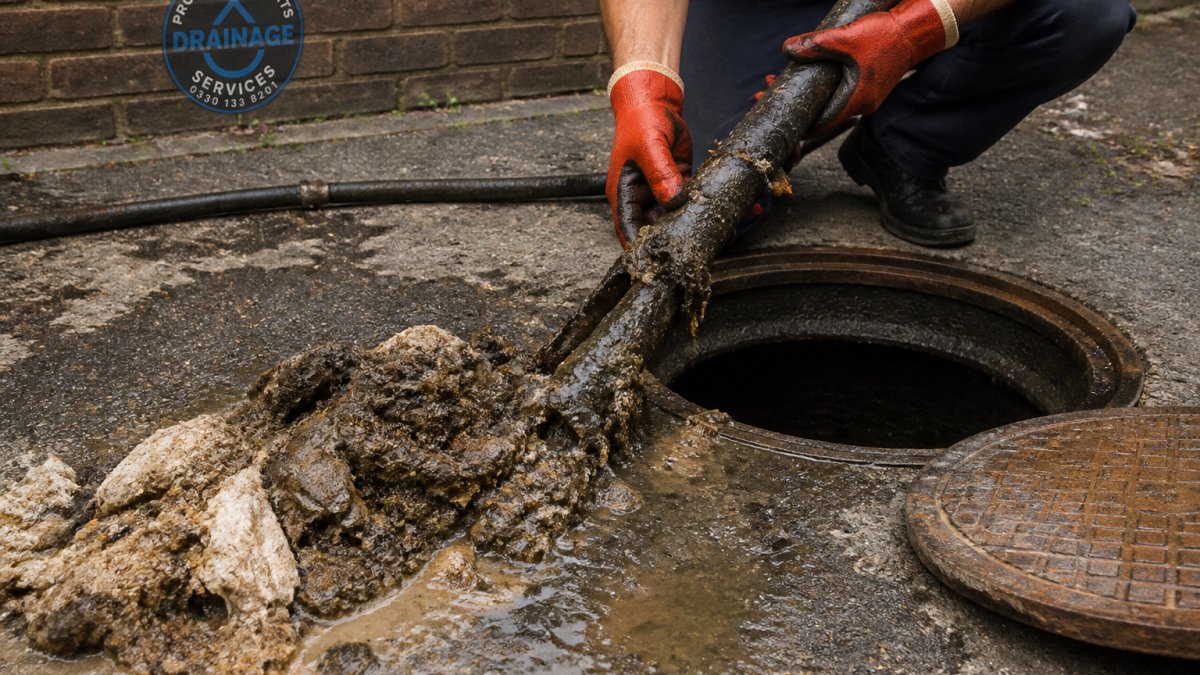
 how-to
How to Prevent Recurring Sewer Line Blockages
Last Updated: October 26, 2026
Quick Summary
Prevent recurring sewer line blockages by fixing the underlying cause instead of clearing the same fault repeatedly. Bin cooking fat, flush only pee, poo and paper, fit strainers, and run hot water down the kitchen sink weekly. If the same drain blocks twice in twelve months, book a CCTV drain survey.
- Cooking fat is the number one cause of repeat kitchen drain blockages.
- Flush only the three Ps: pee, poo and paper.
- Run hot water down the kitchen sink once a week for a minute.
- Book a CCTV survey when the same drain blocks twice in twelve months.
- Repeated rodding without a camera clears the symptom and ignores the fault.
Table of Contents
- Why Sewer Line Blockages Keep Coming Back
- Common Blocked Sewer Pipe Causes
- Sewer Blockage Prevention Tips for Every Household
- Step 1: Set Up a Simple Kitchen and Bathroom Routine
- Step 2: Flush and Drain Habits That Stop Repeat Blockages
- Step 3: Know the Early Warning Signs of a Blocked Sewer
- When a CCTV Drain Survey for Recurring Blockages Makes Sense
- Professional Drain Cleaning: What It Involves and When to Book It
- Common Mistakes That Make Sewer Line Blockages Worse
- Book a Drainage Assessment Before the Next Blockage
- Frequently Asked Questions
Why Sewer Line Blockages Keep Coming Back
Most repeat blockages are not bad luck. They are the same underlying fault being cleared instead of fixed. When a drain is rodded or jetted, the immediate blockage goes, but the cause often stays in the pipe. Fat coats the wall again within weeks. A root that was cut back regrows towards the gap. A slight sag in the pipework keeps trapping solids in the same spot.
That is why a sewer that blocks twice in a year needs diagnosis, not another quick clear.
A sewer line blockage is a partial or full obstruction in the pipe that carries waste from your property to the main sewer. Recurring blockages mean the obstruction keeps returning because the cause was never removed.
Below, we'll show you exactly how to prevent recurring sewer line blockages with a routine you can keep, the warning signs to catch early, and the point where a camera survey saves you money. If yours keep returning, our guide on how to clear recurring drain blockages goes deeper into the clearing side.
Common Blocked Sewer Pipe Causes
Two culprits cause most repeat problems: grease and roots. Understanding which one you have decides how you fix it.
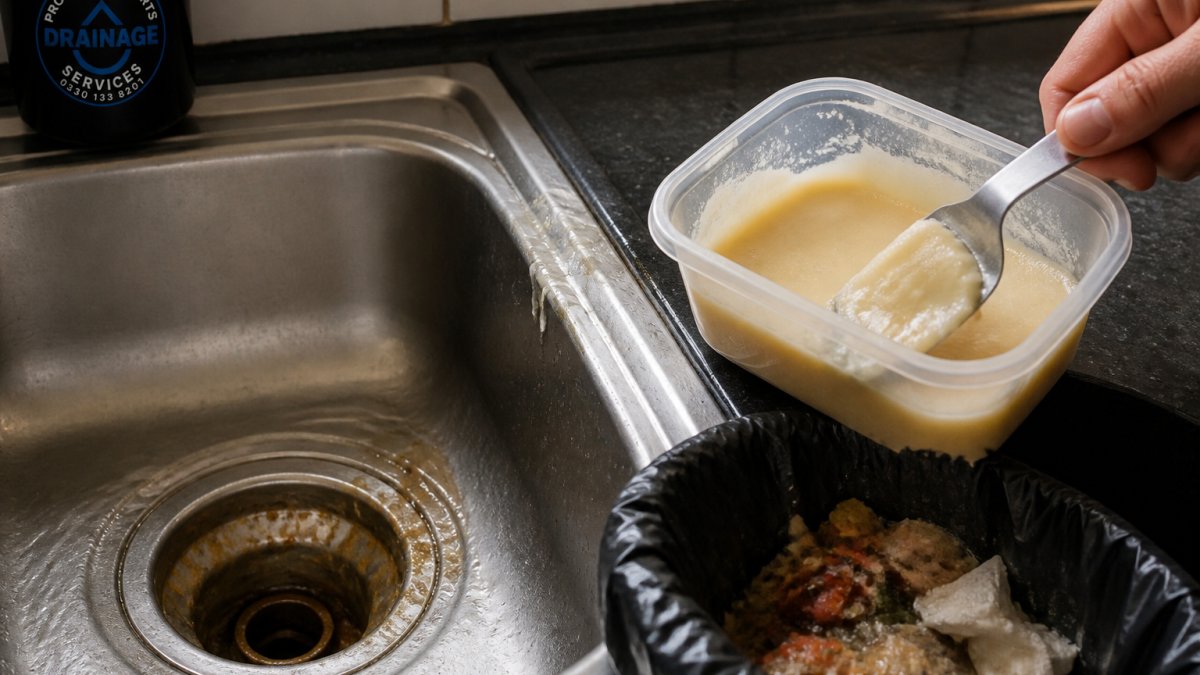
Fat, Oil and Grease Build-Up
Cooking fat is the number one cause of repeat kitchen drain blockages. It leaves the pan as a liquid, cools in the pipe, and sets like candle wax. Each pour adds another layer. Water still passes for a while, which is why people assume the problem is gone.
The fix is simple:
- Pour cooled fat into a tub and bin it
- Wipe greasy pans with kitchen roll before washing
- Never rinse oil down the sink, even with hot water
Tree Roots and Damaged Pipework
Roots find tiny gaps at pipe joints and grow towards the moisture inside. Cutting the root back clears the drain, but the root regrows into the same gap. Damaged or misaligned pipework traps solids in the same place every time. Research into sewer blockage causes using open data shows physical pipe characteristics strongly influence where blockages form, which is why the same property keeps failing. Both problems need a camera to confirm.
Sewer Blockage Prevention Tips for Every Household
Prevention comes down to three habits: control what goes down, flush smart, and watch for early signs. These sewer blockage prevention tips work for any home, whether it is a Victorian terrace or a new build.
- Kitchen: bin fat, scrape plates, use a sink strainer
- Bathroom: fit a hair catcher, never flush wipes
- Toilet: only the three Ps go down: pee, poo, paper
- Outside: keep roots and soil away from drain runs
- Routine: pour a kettle of hot water down the kitchen sink weekly
Step 1: Set Up a Simple Kitchen and Bathroom Routine
Start with the rooms that cause most blockages. Here is a weekly routine:
- Keep a fat tub by the hob. Tip cooled fat in, bin it when full.
- Wipe before washing. Kitchen roll on greasy pans removes what water cannot.
- Fit strainers in the sink and shower. Empty them into the bin, not the sink.
- Run hot water down the kitchen sink once a week for a minute.
- Check the bathroom for slow drainage or gurgling each week.
Watch out: pouring neat bleach down a slow drain hides the smell but does not clear the clog. It can also damage older pipe joints, making the next blockage worse.
Step 2: Flush and Drain Habits That Stop Repeat Blockages
What you flush decides whether your sewer stays clear. Wet wipes are the biggest offender, even the ones labelled flushable. They do not break down like toilet paper and catch on rough pipe walls, collecting fat and hair into a solid mass.
Build these habits:
- Flush only pee, poo and paper
- Bin all wipes, cotton buds and sanitary products
- Never pour cooking oil or coffee grounds down the sink
- Run the tap for a few seconds after using the basin
- Keep a small bin in every bathroom
Small changes, repeated daily, stop most repeat blockages before they start.
Step 3: Know the Early Warning Signs of a Blocked Sewer
The signs can include:
- Water draining slowly in more than one fixture
- Gurgling sounds from plugholes or the toilet
- Bad smells rising from drains outside
- The toilet water level rising when you flush
- Damp patches or extra-green grass over the drain run
Repeat problems deserve a closer look. Our guide on the key signs of recurring drain blockages helps you confirm whether your symptoms point to a returning fault rather than a one-off clog.
When a CCTV Drain Survey for Recurring Blockages Makes Sense
A CCTV drain survey for recurring blockages is worth booking when the same drain blocks twice in twelve months, when you are buying a property, or when a clear fails to hold. A camera shows exactly what is happening inside the pipe: roots, cracks, sagging sections, or fat build-up in a specific stretch.
The survey gives you:
- A clear picture of the fault, not a guess
- Evidence you can act on, such as a repair or relining decision
- A record for insurance or a property purchase
If you want to see what is really going on in the pipe, you can book a CCTV drainage survey and get a report with recommendations.
Professional Drain Cleaning: What It Involves and When to Book It
Book professional cleaning when:
- DIY methods have failed twice
- More than one fixture is backing up
- You have a commercial kitchen or multiple units
- The drain blocks again within weeks
The right method depends on the blockage. Our comparison of drain snake vs hydro jetting explains which suits which job, so you can ask the right questions before booking.
Common Mistakes That Make Sewer Line Blockages Worse
Some "fixes" cause more harm than the blockage itself. Avoid these and you will save yourself a bigger repair bill.
- Chemical cleaners: they can damage older pipes and rarely clear the root cause. Our guide to alternatives to chemical drain cleaners covers safer options.
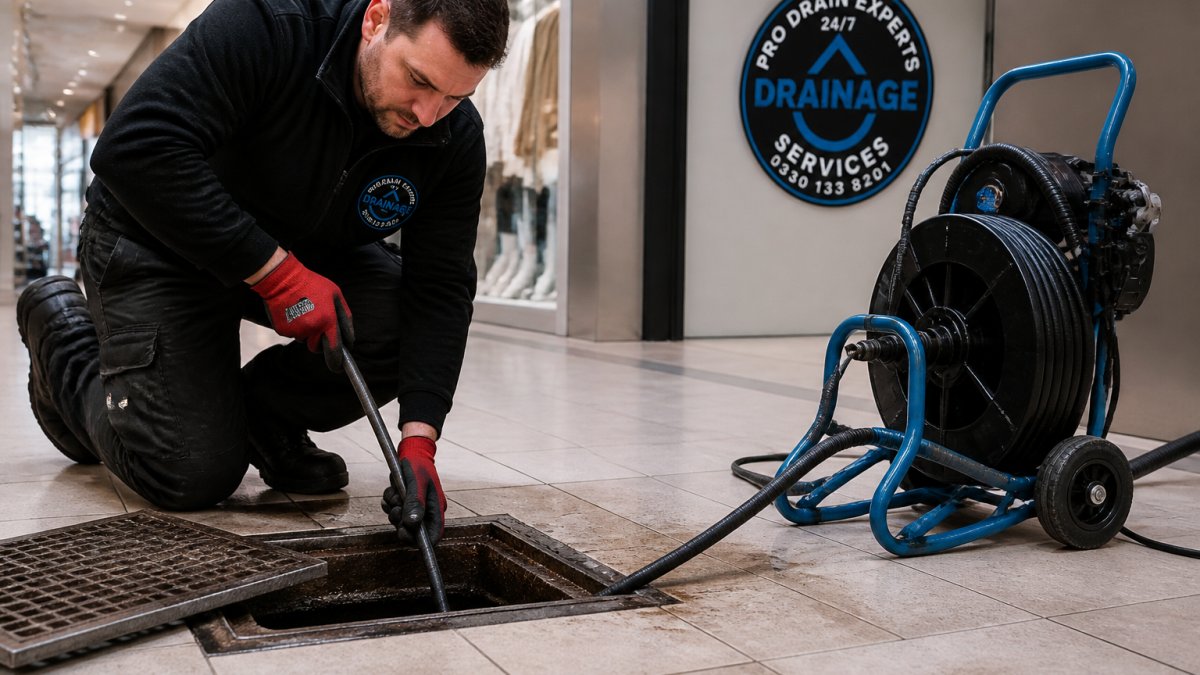
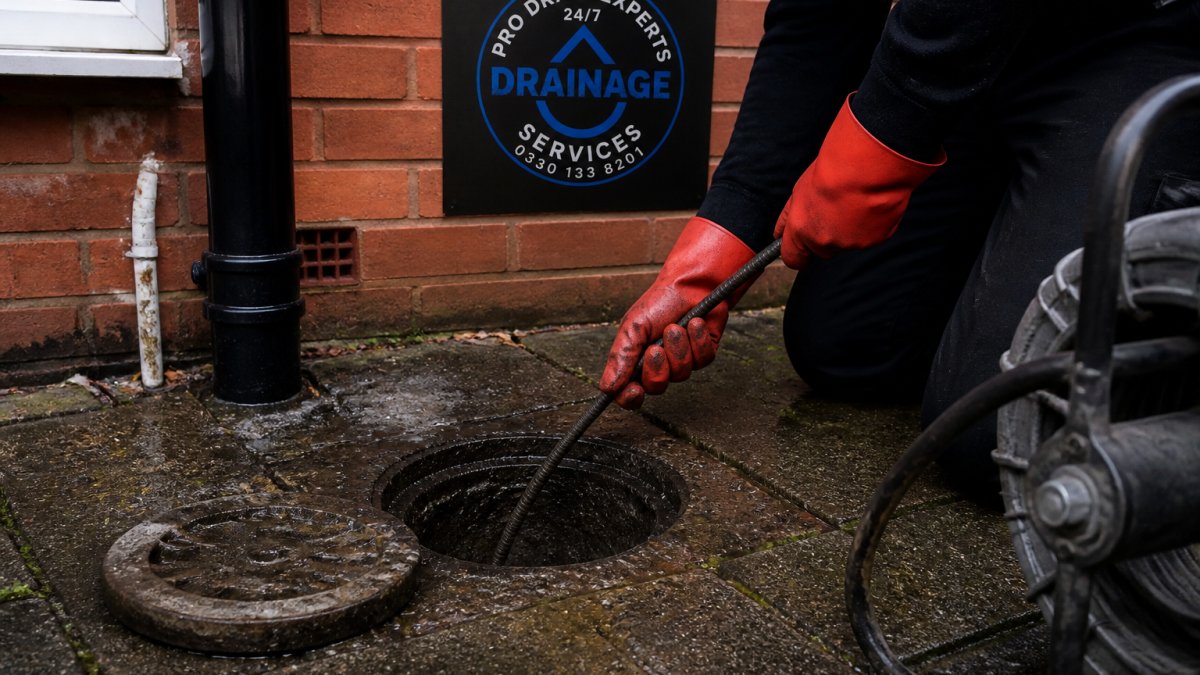
- Repeated rodding without a camera: you clear the symptom and ignore the fault.
- Flushing wipes: they collect fat and form solid masses.
- Ignoring slow drains: a slow drain is a warning, not a quirk.
- Pouring fat down the sink: the single most common cause of repeat kitchen blockages.
A common mistake is treating every blockage the same. A root problem and a fat problem need different fixes. Guessing wastes money.
Some common "fixes" do more harm than good, here is what to avoid and why.
| Mistake | Why it makes things worse |
|---|---|
| Chemical cleaners | Can damage older pipes and rarely clear the root cause |
| Repeated rodding without a camera | Clears the symptom and ignores the fault |
| Flushing wipes | They collect fat and form solid masses |
| Ignoring slow drains | A slow drain is a warning, not a quirk |
| Pouring fat down the sink | Single most common cause of repeat kitchen blockages |
Book a Drainage Assessment Before the Next Blockage
If your drain has blocked more than once, the smart move is a proper assessment now, not another emergency call at midnight. Pro Drain Experts provides 24/7 emergency drainage solutions across East Sussex, West Sussex, and Kent, with same-day response, up-front pricing, over 20 years of experience, fully equipped vans, and a 5-star Google rating.
We provide CCTV surveys and routine maintenance for residential and commercial clients, with detailed reports and recommendations.
Get started with Pro Drain Experts. Book a drainage assessment or call our emergency line today.
Frequently Asked Questions
Why does my sewer line keep getting blocked?
Repeat blockages usually point to an underlying cause rather than bad luck. Fat and grease that cools inside the pipe narrows the bore over time, tree roots can force their way into joints on older clay pipework, and damaged or misaligned sections trap debris. Clearing the visible blockage without addressing that cause means it returns.
What should never be put down a drain or toilet?
Cooking fat and oil, coffee grounds, rice, pasta, wet wipes, sanitary products, cotton buds and nappies are the main culprits. Wipes labelled flushable still clump together and catch on pipe walls. Scrape plates into the bin before washing, pour cooled fat into a container rather than the sink, and keep a bin in the bathroom.
Can tree roots cause repeated sewer blockages?
Yes. Roots seek moisture and enter pipes through joints and hairline cracks, then grow inside the pipe and catch everything passing through. Cutting the root from inside clears the flow but leaves the entry point open, so regrowth follows. Older properties with clay pipework are most at risk.
When should I call a drainage professional about a recurring blockage?
Call when the same drain blocks more than once in twelve months, when water backs up in multiple fixtures at once, or when you notice a sewage smell or slow drainage that plunges do not fix.
Recurring blockages are a symptom, not a sentence. With the right routine and a proper diagnosis when things repeat, most households go years without another emergency. If you are in Ringmer or nearby and want the cause found rather than guessed, our team is ready to help.